MAM
Sunny Side Up champions authenticity in new Bison Panel ad


BANGALORE: Sunny Side Up has rolled out a new campaign for NCL Group’s Bison Panel, aiming to reaffirm the brand’s position as the original in the cement bonded particle board category. Built around the cheeky call of “Original hi lo ji”, the campaign nudges customers and trade partners to choose the genuine board rather than lookalike alternatives.
The idea springs from growing marketplace confusion, where other materials are often pitched as CBPB and casually labelled “Bison”. The agency’s response is a clarity-first strategy that spotlights Bison Panel’s category-defining legacy. Its television commercial captures a customer confronting a dealer after receiving a misleading product, using the scene to underscore the value of selecting the authentic board.

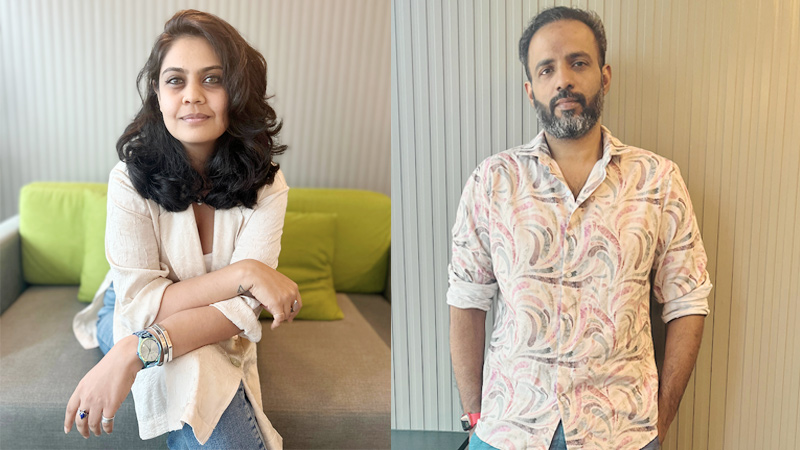
Sunny Side Up creative director Shyam Nair, said the team wanted to tap into a familiar consumer sentiment. “We live in a trust deficit society, but also an increasingly assertive consumer class that demands and values authenticity. The campaign keeps the message simple and reminds people what the right choice in this category has always been.”
The film, titled “Bison Panel, Original hi lo ji”, has been produced by Twenty Seventh Films and directed by Amit Satyaveer Singh.
NCL Industries Limited’s Ravi Pingali, said the campaign builds on the brand’s long standing reputation. “Bison Panel has maintained a standard of reliability and quality for over four decades. This campaign reinforces our leadership position and our commitment to helping customers make informed choices. ‘Original hi lo ji’ formalises our long-standing brand promise.”
The integrated campaign is now live across television, digital platforms, outdoor placements and retail touchpoints. Bison Panel’s latest push leans into clarity, confidence and category pride, inviting customers to trust the name that built the space and still sets its standards.



MAM
Beacon Group appoints Dr Rajesh Patel as Group CEO
36-year healthcare veteran to lead Beacon Diagnostics, Vector Biotek, Biogeny.
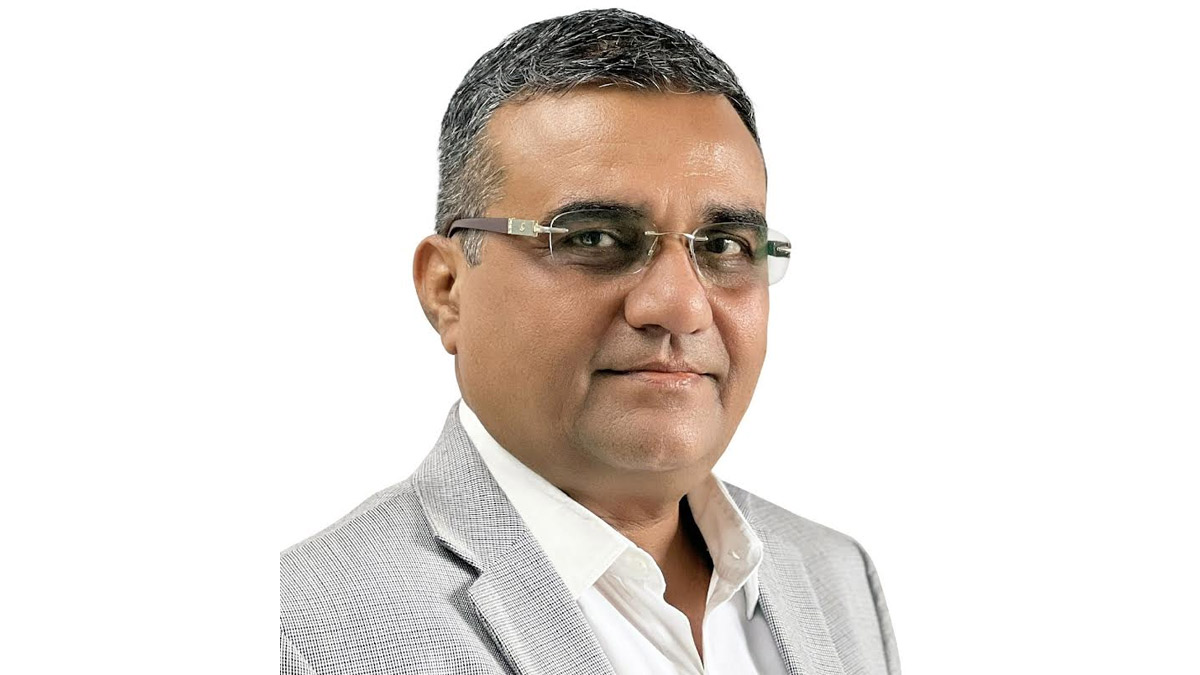
MUMBAI: A new chief, a fresh diagnosis and a sharper prescription for growth. Beacon Group has appointed Dr Rajesh Patel as its Group Chief Executive Officer, effective April 1, 2026, signalling a decisive push to scale its presence in the diagnostics and IVD space. Patel steps into the role with 36 years of experience across the healthcare and diagnostics industry, bringing a career shaped by leadership roles spanning sales, marketing, business development and operational strategy. His mandate is both expansive and precise: to steer the group’s overall strategic direction while tightening coordination across its three core entities Beacon Diagnostics, Vector Biotek and Biogeny Diagnostics.
In practical terms, that means driving cross-company synergies, accelerating market expansion and strengthening organisational capability areas increasingly critical as diagnostic players compete for scale in a fragmented yet rapidly evolving healthcare ecosystem. The group is positioning itself to capture unmet demand across chain laboratories, key accounts and standalone labs, segments that remain underserved despite growing diagnostic needs.
The appointment comes at a time when the In Vitro Diagnostics (IVD) sector in India is entering a more competitive and innovation-led phase, with companies focusing not just on product pipelines but also on service delivery, integration and customer-centric models. Beacon’s leadership appears to be betting that Patel’s execution-focused approach can help translate ambition into operational momentum.
Welcoming the appointment, Chairman Dr D K Joshi described Patel’s induction as a strategic move aligned with the group’s long-term vision, emphasising the role of leadership depth in navigating the next phase of growth.
For Beacon Group, the message is clear, in a sector where precision matters, leadership is the new differentiator—and this appointment is intended to set the tone for what comes next.






