Brands
SUGAR Cosmetics raises $50 mn funding led by L Catterton

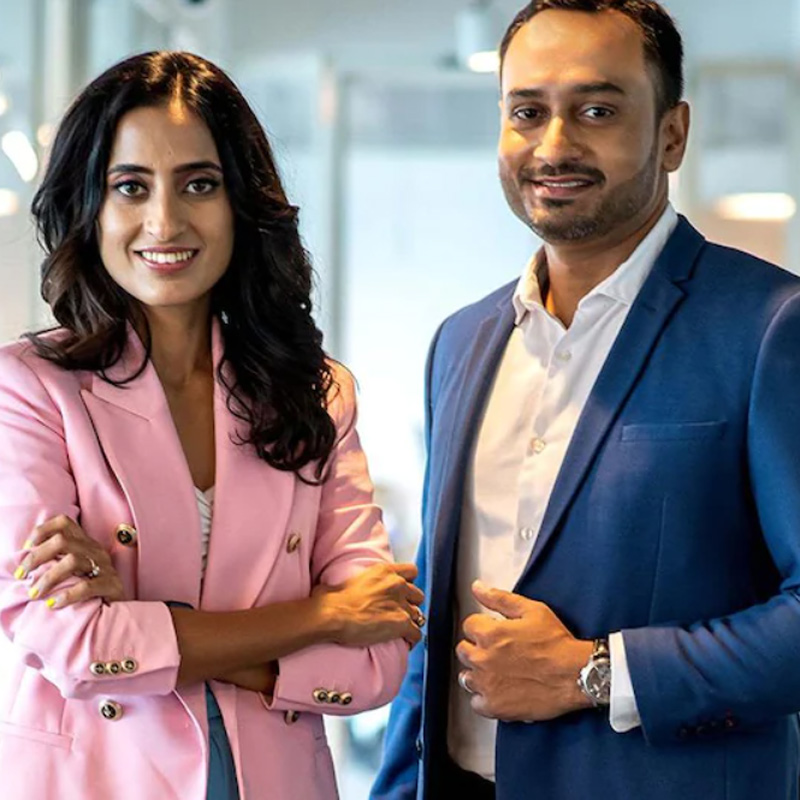
Mumbai: Omnichannel beauty company, SUGAR Cosmetics, announced on Tuesday the close of its $50 million Series D fundraise led by the Asia fund of L Catterton, global consumer-focused private equity firm. The upsized round saw strong interest from multiple private equity funds with continued participation from existing investors – A91 Partners, Elevation Capital and India Quotient, the company said in a statement.
Sharing the news on LinkedIn, SUGAR Cosmetics CEO Vineeta Singh wrote: Funding isn’t a milestone, but when it also coincides with the biggest month in sales for SUGAR Cosmetics, it’s time to express a ton of gratitude – for our crazy team, our passionate customers and of course the best set of investors ever!
“Welcoming L Catterton the world’s largest consumer focused PE fund to our cap table along with A91 Partners, IndiaQuotient and Elevation Capital. Excited about having another feisty woman on the board, Anjana Sasidharan and can’t wait to build together the most loved beauty brand for young India,” she further added.

The country’s beauty and personal care market has expanded considerably over the past five years, and is expected to reach approximately $21 billion in 2025. SUGAR stated that it has quadrupled its sales over the past five years, adding that it deploys new-age, impact-focused content marketing to develop lasting emotional connections.
The cosmetics company said in a statement that its proliferation of online shopping and the creation of a robust local ecosystem of offline distribution partners has enabled it to attract customers from metros to Tier I and II cities. It added that the rising adoption of online shopping and greater product penetration in secondary cities are also driving the market’s enlargement.
CEO Vineeta Singh said, “At SUGAR, we are devoted to creating innovative products that meticulously cater to the preferences of women with diverse skin tones and types who believe in expressing themselves with high-quality cosmetics and skincare products that complement their inner beauty. L Catterton shares our ethos of truly understanding what matters most to consumers, and my co-founder Kaushik and I are thrilled to welcome the firm as our partner,” further adding that the investor’s brand-building and value creation capabilities will fortify its growth.
L Catterton Asia managing director Anjana Sasidharan said, “We have been impressed with how SUGAR has sustained its momentum of rapid growth across online and offline channels while maintaining healthy operating metrics… With a product-first mindset and deep understanding of their target consumers, SUGAR’s leadership team has established a strong position in India’s cosmetics market, which is at an exciting inflection point of expansion.”
Known for being popular among Gen Z and millennials, the brand aims to further capitalise on its growth momentum in the rapidly growing beauty and personal care market. SUGAR Cosmetics has been scaling its physical presence with over 40,000 retail outlets across over 550 cities.







Brands
IndiGo names William Walsh CEO
Former IATA chief to take charge in August after Elbers exit, Bhatia steers interim
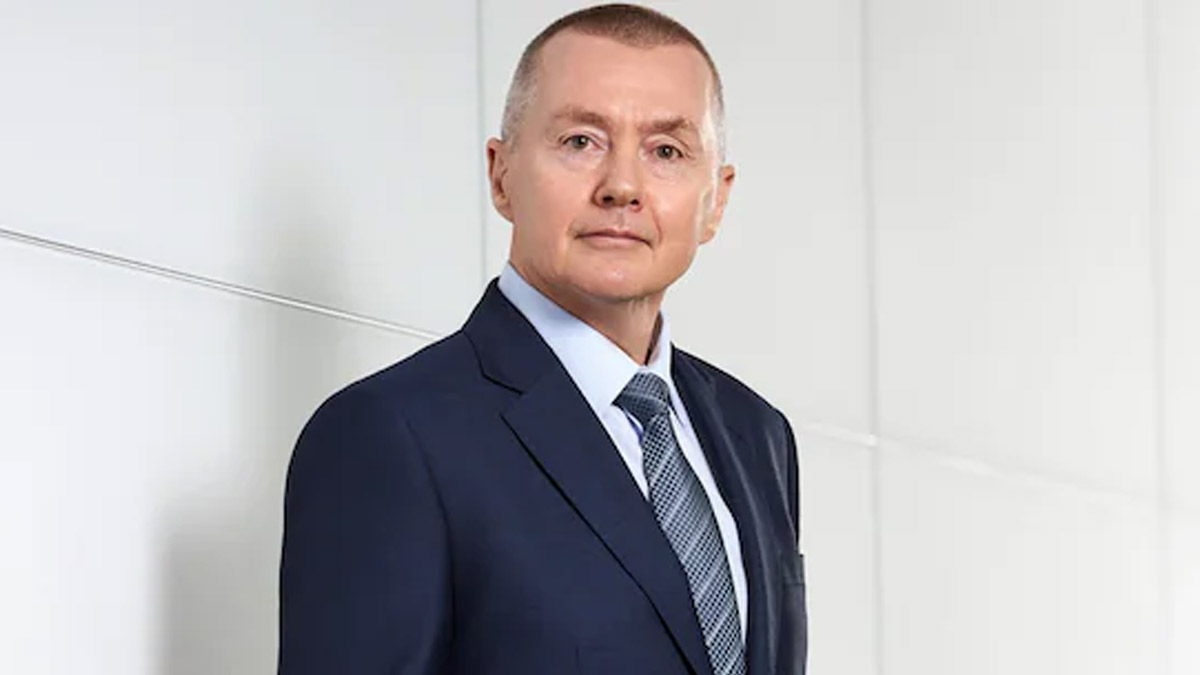
India’s biggest airline has moved fast and gone global. InterGlobe Aviation, which operates IndiGo, has tapped aviation heavyweight William Walsh as chief executive officer, subject to regulatory approvals, marking a sharp pivot as the carrier eyes its next burst of expansion.
Walsh, currently director general at the International Air Transport Association, will step down on July 31, 2026, and is expected to take charge by August 3. The appointment comes barely three weeks after Pieter Elbers exited the corner office, with Rahul Bhatia holding the fort in the interim.
The choice signals intent. Walsh brings decades of cockpit-to-boardroom experience, having led British Airways and later International Airlines Group, the parent of Aer Lingus, Iberia and Vueling. His tenure across carriers has been defined by hard resets, restructurings and cross-border consolidation—skills IndiGo may need as competition intensifies and scale becomes decisive.
Vikram Singh Mehta, chairman and non-executive independent director of IndiGo, said Walsh’s experience in managing large-scale airline operations and navigating complex market dynamics makes him well-suited to lead IndiGo in an increasingly competitive global aviation environment, adding that the appointment marks a new chapter as the airline scales in one of the world’s fastest-growing markets.
Rahul Bhatia said Walsh’s global perspective, operational expertise and customer-focused approach would be critical as IndiGo enters its next phase of expansion.
Walsh, widely regarded as one of the industry’s most influential figures, will oversee overall management and strategic direction, with a mandate spanning operational performance, network expansion, commercial strategy and customer experience. He is expected to work closely with the board and leadership team to sharpen IndiGo’s growth trajectory.
Walsh said IndiGo has a strong foundation and is well-positioned to capitalise on the evolving aviation landscape, adding that he looks forward to fostering a culture of excellence, innovation and sustainable value creation across the organisation.
A new captain, a bigger runway—and a market that rewards scale. IndiGo is lining up for its next take-off.