MAM
Star Sports: A new logo, packaging & brand identity


MUMBAI: It was a historic moment for Star India when on 6 November at the stroke of midnight it unveiled the new identity for six of its sports channels – Star Sports1, Star Sports 2, Star Sports 3, Star Sports HD1 and Star Sports HD 2 – and its website (starsports.com). (Star Sports 3 replaced Star Cricket, while Star Sports 4 replaced ESPN and Star Cricket HD and ESPN HD were rebranded as Star Sports HD1 and HD2.)
Today all the channels have a single logo – a star with a thinner silver outline with a streak of colours swishing into it. “The new brand identity is a metallic star with an explosive incandescent trail symbolizing the authority and passion of sports,” elaborates Star India exec VP marketing Gayatri Yadav.
The Star India broadcast design team and the UK-based brand consultancy Venturethree have created the brand identity while the broadcast package has been designed by Los Angeles based design and branding studio Capacity. Venturethree has a client roster that includes Myspace, The Times, Orange, Penguin, Reliance Industries, king.com and Discovery Communications while Capacity has done work for the NFL (national football league) and CW channel.

“The bold new star icon is to stand for a new era of sport. The star is sharp, bold and iconic. It brings strength and authority to the channel. The incandescent trail is explosive and dynamic. It brings the intensity and passion of sports to life. The fiery trail ignites and unites every sport, every player and every fan. It’s the glue that runs through everything on the channel. This expresses the fluid and dynamic nature of sports,” says Yadav.
Sridhar feels that it is just a matter of habit for people to star using the new names
The unified logo highlights the network’s ambition “to change the face of sports broadcasting in the country’ as well as provide world-class sports coverage to Indian sports fans. “To signal the change to the consumer, Star India is bringing all the six diverse TV channels under one brand name, Star Sports, and one purpose ‘believe’,” says Yadav.
 According to Leo Burnett Chief creative officer K V Sridhar, the new logo is much more energetic and brings through the focus they are trying to put with Star Sports. “It is a Diwali colourful logo. Their biggest challenge is to merge ESPN and Star Sports. Now promoting their channels will become much easier for them. What they are doing is just the beginning because they are taking upon themselves a very beautiful and visionary strategy to make Star synonymous with sports,” he says.
Wouldn’t it be a difficult task for those used to calling the channels by their former names? “It is actually simpler than before now and it is just a matter of habit before people will start referring to a channel like- Star Sports channel 3,” quips Sridhar.
If it does happen as Sridhar predicts, it will be a job well done.







Brands
Jubilant Foodworks to end Dunkin’ franchise in India
Pizza chain operator will not renew agreement when it expires at end of 2026.
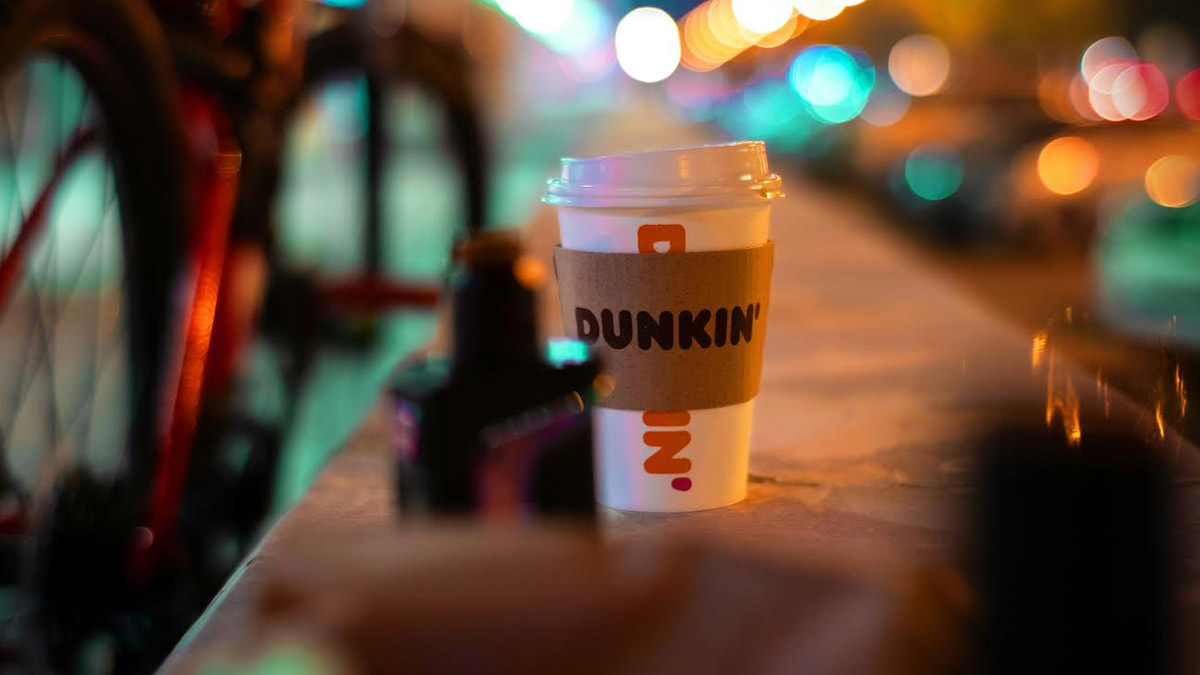
MUMBAI: When the doughnuts stop turning and the coffee goes cold, even a global giant like Dunkin’ can find the Indian market a tough brew to crack. Jubilant Foodworks has decided not to renew its franchise agreement with Dunkin’ when the pact expires on 31 December 2026, according to a Reuters report. The operator, best known for running Domino’s outlets in India, said it would evaluate options for its existing Dunkin’ stores, including a potential sale or transfer of franchise rights, in consultation with the US-based brand.
The decision follows years of underperformance in a market where local tastes and intense competition have made it difficult for international coffee-and-doughnut formats to gain traction. Jubilant, which has increasingly focused on its core pizza business and newer bets like Popeyes, indicated that the exit would not materially affect its financial or operational position.
Dunkin’ accounted for just 0.61 per cent of Jubilant’s revenue in the fiscal year ending 2025 and recorded a loss of approximately Rs 191 million, according to a regulatory filing. The company operated 27 outlets as of December 2025, having shuttered seven stores over the preceding year.
The retreat comes even as Jubilant’s broader business shows signs of momentum. The company reported a 65 per cent rise in quarterly profit for the October to December period, reaching Rs 70.9 crore, up from Rs 42.91 crore a year earlier.
For Jubilant, the exit reflects a sharpening strategic focus. For Dunkin’, it marks another setback in a market that has proven resistant to imported café concepts without significant localisation.
In the cut-throat world of Indian quick-service restaurants, sometimes the sweetest deals are the ones you quietly walk away from leaving more room for the brands that truly rise to the occasion.