MAM
Spinny rolls back the years with its latest rendition of ‘It’s never just a car, Go Far’


Mumbai: In a refreshing tribute to the ongoing Cricket World Cup 2023 in India and India’s performance, Spinny, your go-to platform for buying and selling used cars, presents a captivating video with a throwback to India’s World Cup victory in 2011. The film plays as an homage to that winning moment when the cars draped in Indian tricolours brought a sense of togetherness and joy on the roads.
Showcasing that cars are a small part of your big celebration, the brand highlights the unbreakable bond that Indians have with their cars.
The film weaves real images from the iconic 2011 World Cup victory, capturing the essence of cricket’s spirit and the infectious enthusiasm of fans during that historic chapter in Indian sports history. All the while, urging people to celebrate responsibly and with the hope that our team gives us the chance to celebrate this victory in 2023.

The campaign aims to humanize cars and highlights how cars can be at the forefront of all celebrations or sometimes, even silently in the background, as was the case in 2011. Building on the first campaign film featuring cricket maestro Sachin Tendulkar and his cherished car ‘Sundae,’ Spinny endeavours to enrich the storyline. Beyond spotlighting the unique bond individuals share with their cars, the campaign pays a heartfelt tribute to the shared celebrations that characterize the quintessential Indian cricket experience.
Spinny released its digital ads that showcase each car’s personality, its distinct identity and the way every car writes its own story. The stories unfold with the tale of “The Fat Red Car” journeying from Bengaluru to Ooty, inviting viewers to embark on an enthralling adventure and the heartfelt narrative of “DL 6556 from Delhi”, a true Delhite at heart. The essence of these stories lies in the understanding that a car is more than just a mode of transportation; it is a treasure trove of memories, a companion that accompanies you through the highs and lows of life.
Spinny CEO & founder Niraj Singh said, “The campaign is all about celebrating cars, that play a part big and small, humble yet meaningful. Starting with Sachin’s Sundae, to Delhi’s DL 6556 and The Fat Red Car from Ooty, the campaign weaves together the significant roles a car plays in our lives. For the latest film, we’ve used real images from the 2011 World Cup victory to inspire everyone to embrace and enjoy these special moments, as we rally behind the Indian cricket team and hope to celebrate another World Cup victory.”
The opening ad film featuring Sachin’s “Sundae” was also highly revered by many viewers, soundtracked by the unforgettable “Kya khabar thi jaana” which swooned away all the listeners, old and new. The song’s plays on YouTube also increased drastically after the campaign went live.
Spinny has been at the forefront of revolutionizing the used car buying and selling experience, offering certified cars, hassle-free transactions, and exceptional customer service. With this new campaign, Spinny aims to reinforce its commitment to providing car enthusiasts with a trusted and emotionally connected platform for all their car buying and selling needs. The campaign will run on the digital platform of Spinny.


MAM
Beacon Group appoints Dr Rajesh Patel as Group CEO
36-year healthcare veteran to lead Beacon Diagnostics, Vector Biotek, Biogeny.
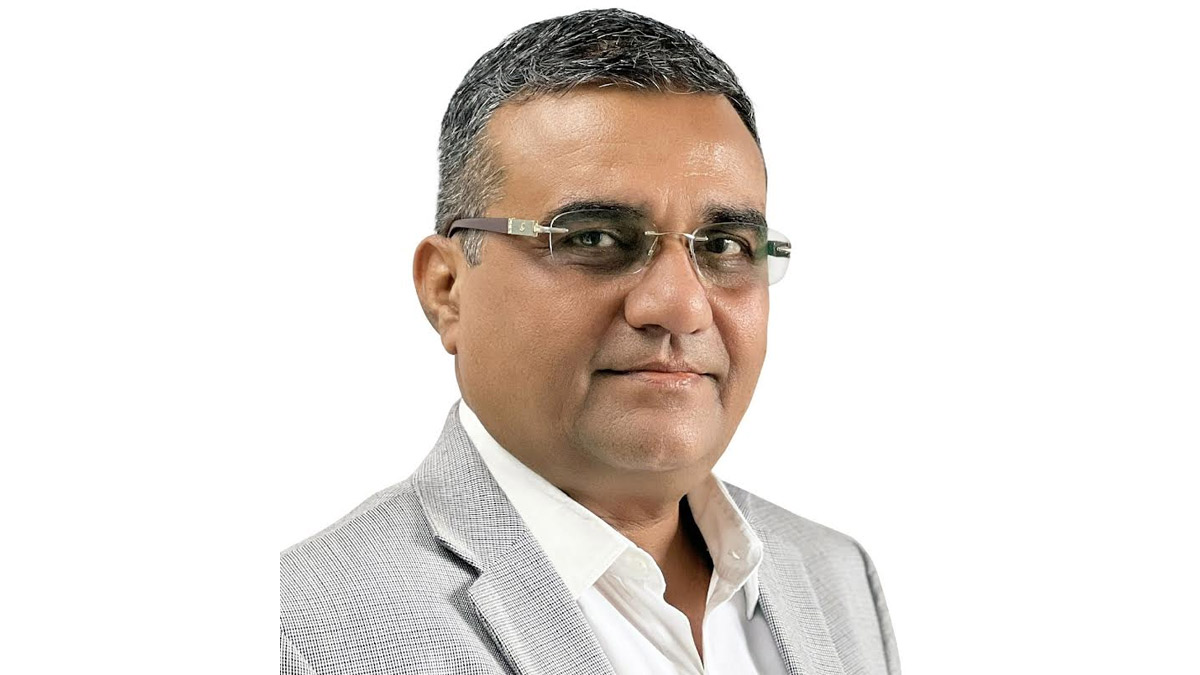
MUMBAI: A new chief, a fresh diagnosis and a sharper prescription for growth. Beacon Group has appointed Dr Rajesh Patel as its Group Chief Executive Officer, effective April 1, 2026, signalling a decisive push to scale its presence in the diagnostics and IVD space. Patel steps into the role with 36 years of experience across the healthcare and diagnostics industry, bringing a career shaped by leadership roles spanning sales, marketing, business development and operational strategy. His mandate is both expansive and precise: to steer the group’s overall strategic direction while tightening coordination across its three core entities Beacon Diagnostics, Vector Biotek and Biogeny Diagnostics.
In practical terms, that means driving cross-company synergies, accelerating market expansion and strengthening organisational capability areas increasingly critical as diagnostic players compete for scale in a fragmented yet rapidly evolving healthcare ecosystem. The group is positioning itself to capture unmet demand across chain laboratories, key accounts and standalone labs, segments that remain underserved despite growing diagnostic needs.
The appointment comes at a time when the In Vitro Diagnostics (IVD) sector in India is entering a more competitive and innovation-led phase, with companies focusing not just on product pipelines but also on service delivery, integration and customer-centric models. Beacon’s leadership appears to be betting that Patel’s execution-focused approach can help translate ambition into operational momentum.
Welcoming the appointment, Chairman Dr D K Joshi described Patel’s induction as a strategic move aligned with the group’s long-term vision, emphasising the role of leadership depth in navigating the next phase of growth.
For Beacon Group, the message is clear, in a sector where precision matters, leadership is the new differentiator—and this appointment is intended to set the tone for what comes next.






