Brands
SpiceJet’s recovery takes flight as market share doubles
Domestic market share jumps from 1.9 per cent in September to 4.3 per cent by December


GURUGRAM: SpiceJet has staged a sharp domestic comeback, more than doubling its market share in just three months as rapid capacity expansion restores the airline’s presence across key routes.
India’s low-cost carrier lifted its domestic market share from 1.9 per cent in September 2025 to 4.3 per cent by December, driven by a 56 per cent rise in capacity during the third quarter following the induction of 16 aircraft.
The capacity surge translated into a broader network, tighter schedules and stronger passenger traction, helping the airline regain lost ground in several high-traffic markets.

Momentum has continued into the current quarter. SpiceJet doubled its available seat kilometres (ASKMs) from about 55 crore to 105 crore, marking a significant strengthening of its operational footprint. Over the full year, the airline plans to more than double capacity again, targeting 220 crore ASKs by winter 2026 and operating over 300 daily flights.
To support the expansion, SpiceJet is working to scale its fleet to around 60 aircraft through a mix of wet and damp leases, alongside the phased return of grounded planes. The airline has also signed a memorandum of understanding for the induction of 10 additional aircraft.
SpiceJet chief business officer Debojo Maharshi, said the rapid rise in market share reflected steady progress in rebuilding capacity and restoring network depth. The airline’s focus, he added, remained on improving reliability, strengthening connectivity and scaling operations in a measured and sustainable manner.







Brands
YES Bank appoints S Anantharaman as chief risk officer
Former Jio Financial Services group chief risk officer takes charge of enterprise-wide risk at the embattled private lender
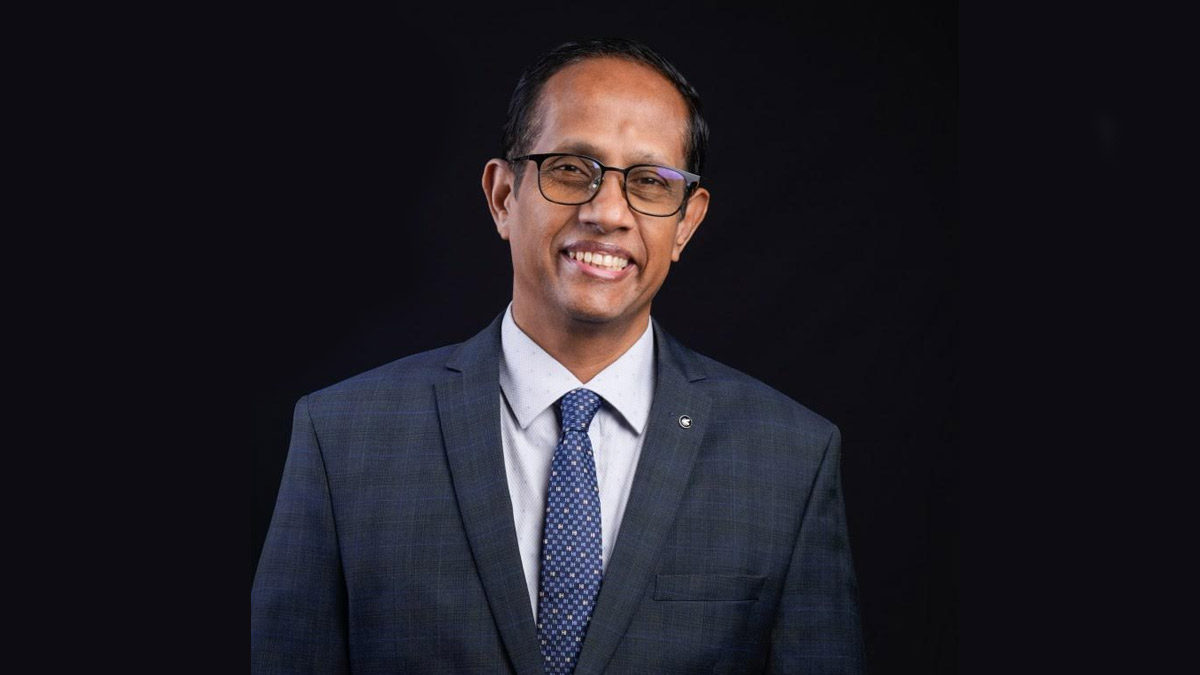
MUMBAI: YES Bank is not taking chances with risk anymore. The private lender has appointed S Anantharaman as its chief risk officer, a hire that signals the bank’s continued effort to rebuild credibility and tighten the controls that once famously slipped.
Anantharaman arrives from Jio Financial Services, where he served as group chief risk officer and built a risk management architecture spanning lending, payments, insurance broking and asset management from the ground up. Before that, he held the chief risk officer role at Bank of Baroda and senior leadership positions at HDFC Bank and L&T Finance Holdings. Three decades in banking and financial services, in other words, with scars and qualifications to match. He is a chartered accountant and a CFA charterholder.
At YES Bank, his brief is considerable. Anantharaman will oversee the bank’s entire enterprise-wide risk framework, covering credit policy, market risk, operational risk, information security, data governance, analytics, model governance and data privacy. It is, in short, every lever that matters when a bank is trying to prove it has grown up.
YES Bank’s turbulent past needs little rehearsing. What it needs now is exactly what Anantharaman has spent thirty years building: the kind of risk culture that stops problems before they become headlines. The appointment suggests the bank knows it.






