MAM
Sonic branding in practice: A deep dive into the process of creating ‘MOGO’ for leading brands

At BrandMusiq, we harness the transformative power of sound to create sonic identities that align with a brand’s core essence and resonate with its audience. Our strategic, industry-spanning process customizes to each brand, mapping customer journeys to identify unique touchpoints, or “earpoints.”
The MOGO is the sonic summation of a brand’s persona. Musicality is crucial to evoke the desired expressions, which is why we call it a musical logo and not just an audio or sonic logo. What we create is a comprehensive sonic identity system, much like a visual identity but for the auditory senses.
MUSE: The heart of sonic branding

Our process, anchored by MUSE (musical strategy exercise), combines Western psychology, Indian classical arts, and modern audio science. This intricate process helps us distill a brand’s essence into a universal sonic palette.
Step 1: Brand discovery
In a two–three hour collaborative session, we explore the brand’s DNA, persona, and the emotions it aims to express through sound.
Step 2: Sonic mapping
Transitioning from abstract concepts to tangible sounds can be challenging. To bridge this gap, we develop sonic moodboards—audio sketches that help clients identify their brand’s sound zone, ensuring the musical direction aligns with the brand’s persona.
Step 3: Unveiling the MOGOSCAPE and MOGO
The culmination of our process is the creation of the master sonic identity of the brand, comprising MOGOSCAPE, MOGO and mini-MOGO. In the digital age, music and sound are as crucial as visual elements in defining a brand’s identity. The MOGOSCAPE, a 60–90 second sound palette, serves as the brand’s sonic backdrop, embedded within which is the MOGO—a concise, distinctive sound signature that captures the brand’s essence in a three second audio cue.
After finalizing the master sonic identity, we work with our clients to understand the consumer journey and map the various earpoints—audio touchpoints—where the sound will be integrated. This approach creates more opportunities for the brand to be heard, ensuring a consistent and cohesive sonic presence. The MOGOSCAPE allows for content customization, enabling the creation of fresh and new adaptations, all derived from the master sound.
Sonic identity system: MOGOSCAPE, MOGO, and Mini-MOGO
Our sonic identity system comprises three main components:
1. MOGOSCAPE: This 60–90 second sonic palette acts like a visual color scheme for the brand, encompassing various tones and musical elements that capture the brand’s essence.
2. MOGO: The musical logo, a three-second sound signature, strengthens brand memory and evokes core values and emotions.
3. Mini-MOGO: A 1.5-second audio cue used for notifications and alerts in digital interfaces, reinforcing the brand’s aural identity in everyday interactions.
These elements help create a unique sound identity, enhance brand awareness, and foster deeper emotional connections with customers across various touchpoints.
Real-world applications
After completing the sonic identity, we create versions or adaptations to suit specific earpoints (or audio touchpoints) and the content theme.
· Vivo: For the in-phone product integration, the ringtone and notification sounds were designed to have a digital feel while maintaining consistency by using the same melodic framework as the MOGO.
· Air India Express: Created an in-flight version of the Air India Express sonic identity to evoke a sense of calm and peace.
· Infosys: Developed unique sonic branding for digital videos, events, and merchandise, tailored to each theme and content.
· HDFC: Implemented a pioneering sonic integration by incorporating the MOGO across all ATMs nationwide, signaling the successful completion of transactions.
· Zomato: Developed sonic navigation cues to provide users with intuitive and engaging alerts throughout the order and delivery process.
· Federal Bank: Established a pan-India presence for Federal Bank by creating versions of the sonic identity for various Indian festivals, reinforcing the brand’s cultural connection and celebratory spirit.
The power of sonic branding
Sound reaches the human brain 20 times faster than visuals, enhancing customer immersion and engagement by up to 86 per cent. Research shows that music can improve brand recognition by 46 per cent, and 41 per cent of consumers believe sound is a key element of brand communication. Furthermore, 74 per cent of young adults feel more emotionally connected to a brand thanks to music. With the rise of voice-enabled technology and a global resurgence in audio consumption, there has never been a better time to integrate sonic branding into your brand strategy.
At BrandMusiq, we transform brand identities from cognitive recognition to emotional connection, ensuring that your brand’s sound is not just heard, but felt. Thanks.
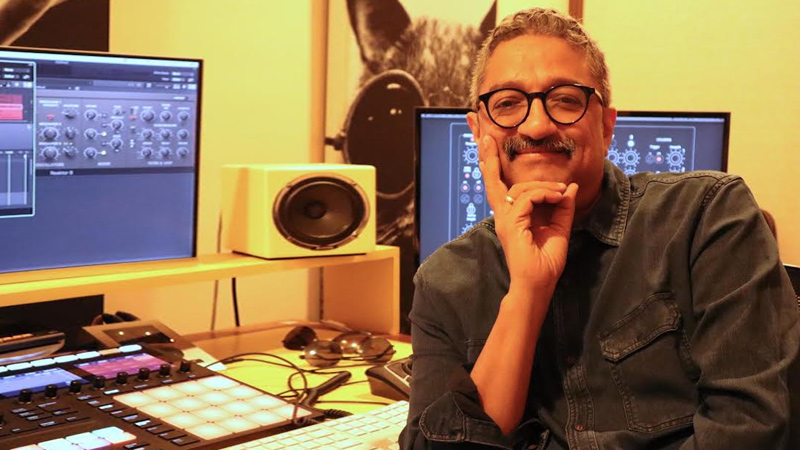
The article has been authored by BrandMusiq founder and soundsmith Rajeev Raja.



Brands
Magnum Ice Cream Netherlands takes control of Kwality Wall’s India from Unilever
61.9 per cent stake transfer reshapes ownership as Unilever exits promoter role
MUMBAI: Kwality Wall’s (India) Limited has entered a new chapter, with The Magnum Ice Cream Company HoldCo 1 Netherlands B.V. acquiring a controlling 61.9 per cent stake from a clutch of Unilever PLC-led entities, marking a significant shift in ownership.
The transaction, completed on March 30, 2026, follows a share purchase agreement signed in June 2025. The incoming promoter picked up over 145 crore equity shares, effectively taking control of the company and being formally classified as its new promoter under regulatory norms.
As part of the deal, the outgoing promoter group, including Unilever Group Limited and its affiliated entities, has fully exited its shareholding in the company. They have now been reclassified from promoter to public shareholders, closing a long-standing association with the ice cream business in India.
The board of Kwality Wall’s (India) Limited took note of the ownership change and approved a series of leadership updates alongside it. Ritesh Tiwari stepped down as director, while Abhijit Bhattacharya was appointed as chairperson and additional non-executive director. Tahir Toloy Tanridagli also joined the board as an additional non-executive director.
The reshuffle signals a broader strategic reset as the Magnum-led entity looks to steer the brand’s next phase of growth in India. The transition has been carried out in line with regulatory requirements, including disclosures tied to the open offer and reclassification norms under market regulations.
With Unilever stepping back and Magnum stepping in, Kwality Wall’s India is effectively getting a fresh scoop of leadership and direction. The coming months will reveal how the new promoter plans to scale the brand in one of the world’s most competitive ice cream markets.