MAM
‘Sohrabji’s Tips ‘

The reason why ratings are consistently dropping for all the top GECs in markets like Delhi, UP and Punjab is because there’s a huge amount of viewership happening on the second TV set, which is not getting captured. The study showed that almost 30 per cent of homes in these markets have a second TV set and it was making an impact.
“We did an analysis on who views them and what kinds of programmes are watched on the second TV set versus the first TV set. We found that on Sony, a lot of sampling happens on the second TV set on new shows like Indian Idol before the show becomes popular. Even on Star Plus, the shows like Kyunkii… and Kasauti… are largely viewed on the first TV set. On the other hand, the new shows like Dekho Magar Pyar Se were watched on the second TV set because maybe the younger women in the house were more interested in that. Then we also tracked programmes that males and kids watched on the second TV sets,” informs Sohrabji.



MAM
Beacon Group appoints Dr Rajesh Patel as Group CEO
36-year healthcare veteran to lead Beacon Diagnostics, Vector Biotek, Biogeny.
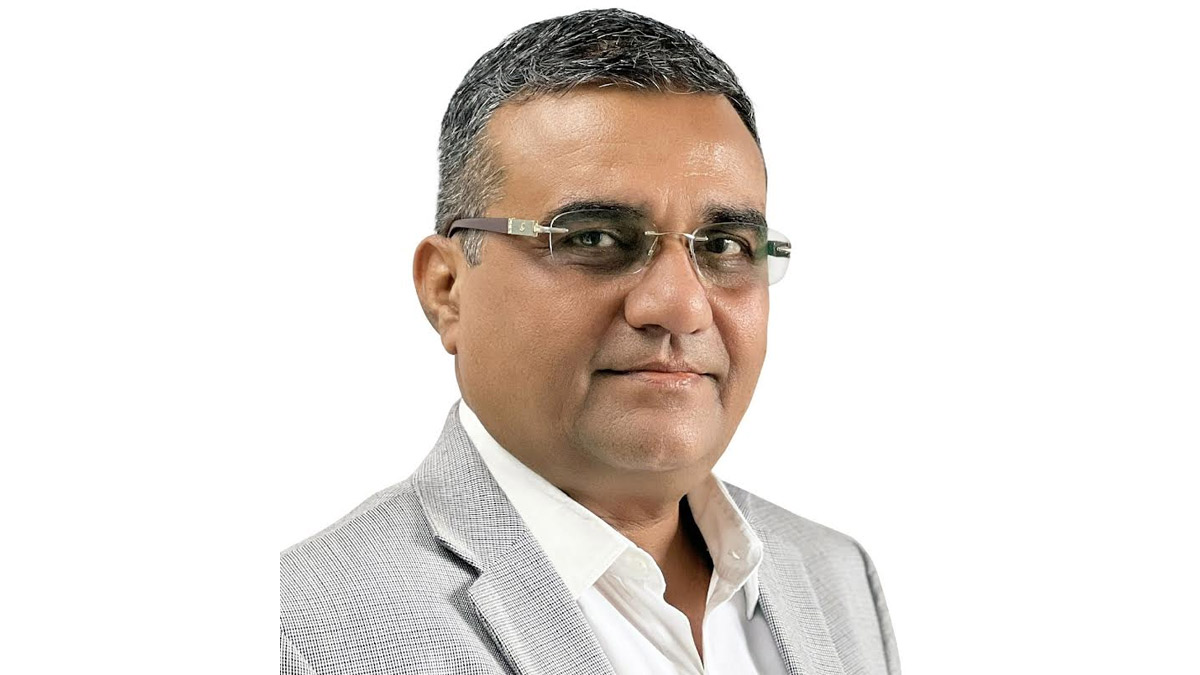
MUMBAI: A new chief, a fresh diagnosis and a sharper prescription for growth. Beacon Group has appointed Dr Rajesh Patel as its Group Chief Executive Officer, effective April 1, 2026, signalling a decisive push to scale its presence in the diagnostics and IVD space. Patel steps into the role with 36 years of experience across the healthcare and diagnostics industry, bringing a career shaped by leadership roles spanning sales, marketing, business development and operational strategy. His mandate is both expansive and precise: to steer the group’s overall strategic direction while tightening coordination across its three core entities Beacon Diagnostics, Vector Biotek and Biogeny Diagnostics.
In practical terms, that means driving cross-company synergies, accelerating market expansion and strengthening organisational capability areas increasingly critical as diagnostic players compete for scale in a fragmented yet rapidly evolving healthcare ecosystem. The group is positioning itself to capture unmet demand across chain laboratories, key accounts and standalone labs, segments that remain underserved despite growing diagnostic needs.
The appointment comes at a time when the In Vitro Diagnostics (IVD) sector in India is entering a more competitive and innovation-led phase, with companies focusing not just on product pipelines but also on service delivery, integration and customer-centric models. Beacon’s leadership appears to be betting that Patel’s execution-focused approach can help translate ambition into operational momentum.

Welcoming the appointment, Chairman Dr D K Joshi described Patel’s induction as a strategic move aligned with the group’s long-term vision, emphasising the role of leadership depth in navigating the next phase of growth.
For Beacon Group, the message is clear, in a sector where precision matters, leadership is the new differentiator—and this appointment is intended to set the tone for what comes next.






