Ad Campaigns
Social media plays a pivotal role in ‘Main Azaad Hoon’ campaign: Dr Ravinder Varma

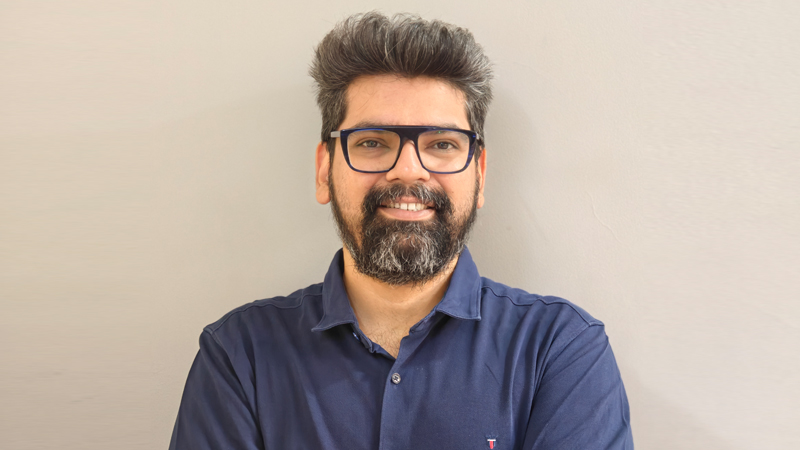
Mumbai: RiteBite Max Protein has launched its latest campaign, #MainAzaadHoon, celebrating India’s 77th year of independence by addressing a crucial aspect of personal freedom: the choice to embrace healthier eating habits.
Through a series of compelling videos, the campaign features the voices of everyday Indians who have pledged to reduce or eliminate their junk food consumption. These individuals have shared their personal battles with unhealthy eating and their inspiring journeys toward better health.
The Ritebite Max Protein team visited popular food spots to encourage healthier eating habits by promoting their campaign, “Main Junk food se Azaad Hoon.” This aims to inspire people to shift from junk food to better choices.

Indiantelevision.com caught up with Naturell India (RiteBite Max Protein), brand manager, Dr. Ravinder Varma, where he explained the concept behind this campaign in detail.
Edited excerpts
How do you define the concept of personal freedom in the context of eating habits?
Personal freedom in the context of eating habits is about taking control of one’s health by making conscious choices that align with long-term wellness goals rather than succumbing to the convenience of unhealthy options. The ‘Main Azaad Hoon’ campaign by RiteBite Max Protein embodies this idea by encouraging individuals to break free from habits that hinder their health and adopt a lifestyle that promotes physical, mental, and emotional well-being. True independence, in this sense, is not merely the ability to choose what to eat but choosing what nourishes the body, mind, and spirit, leading to a life of vitality and strength. This campaign resonates deeply with the values of the community, offering a chance to reclaim one’s health and well-being.
What strategies did you employ to connect with everyday Indians and encourage them to participate in the campaign?
To connect with everyday Indians and encourage participation, the ‘Main Azaad Hoon’ campaign employed several strategies. The campaign shared relatable stories of individuals from diverse backgrounds who struggled with balancing their health amidst busy lifestyles. By focusing on real people and their journeys toward healthier eating, the campaign created a sense of relatability and inspiration. These stories were shared across social media platforms, accompanied by a pledge to reduce junk food intake, inviting others to join the movement. The approach was to meet people where they are—acknowledging their challenges and providing encouragement and practical advice to make incremental changes toward better health. The outreach also targeted popular food courts and street food areas to interact directly with those indulging in unhealthy eating, encouraging them to take a pledge: ‘Main Junk food se Azaad Hoon’.
What are some common misconceptions about healthy eating that the campaign aims to address?
The ‘Main Azaad Hoon’ campaign aims to address several common misconceptions about healthy eating:
1 Slimness Equals Fitness: The campaign challenges the notion that being slim automatically means being fit. It emphasizes that true health is about overall wellness, not just appearance.
2 Convenience Over Nutrition: Another misconception is that healthy eating is time-consuming and inconvenient. The campaign shows that even with busy schedules, small changes like opting for protein-rich snacks or avoiding frequent fast food can make a significant difference.
3 Guilt-Free Indulgence: It addresses the idea that indulging in junk food can be offset by extra exercise. While balance is important, the campaign advocates for more sustainable choices that don’t rely on guilt-driven compensations.
What role does social media play in this campaign, and how have platforms like Instagram helped amplify your message?
Social media plays a pivotal role in the ‘Main Azaad Hoon’ campaign by providing a platform to share stories, encourage engagement, and build a community around healthier eating habits. Platforms like Instagram have helped amplify the campaign’s message by making it accessible to a wider audience. Through reels, hashtags, and interactive content, the campaign leverages the power of social media to create a ripple effect, where participants not only take the pledge but also share their journey, inspiring others to do the same. The use of social media ensures that the message reaches diverse demographics, from students to professionals, and fosters a collective movement towards healthier living.
How do you plan to continue supporting healthy eating habits beyond this campaign?
To continue supporting healthy eating habits beyond this campaign, RiteBite Max Protein plans to launch additional initiatives that build on the momentum of ‘Main Azaad Hoon.’ These may include educational programs on nutrition, collaborations with health and fitness influencers, and the introduction of new, accessible healthy snack options that cater to the evolving needs of consumers. The brand will also maintain an active presence on social media to keep the conversation going, offering tips, recipes, and challenges that encourage ongoing participation. Moreover, future campaigns will likely focus on specific aspects of health and nutrition, such as protein intake or balanced diets, to further reinforce the importance of making informed food choices.
What future initiatives does RiteBite Max Protein have in the pipeline to further promote healthier lifestyles?
RiteBite Max Protein is likely to continue its efforts in promoting healthier lifestyles through a combination of product innovation, community engagement, and educational outreach. Upcoming initiatives might include introducing new products that address common dietary deficiencies, partnering with health experts to provide credible nutritional advice, and organizing events or challenges that motivate people to stay on track with their health goals. Additionally, the brand might expand its reach through collaborations with workplaces and fitness centers to integrate healthier eating habits into daily routines on a larger scale.



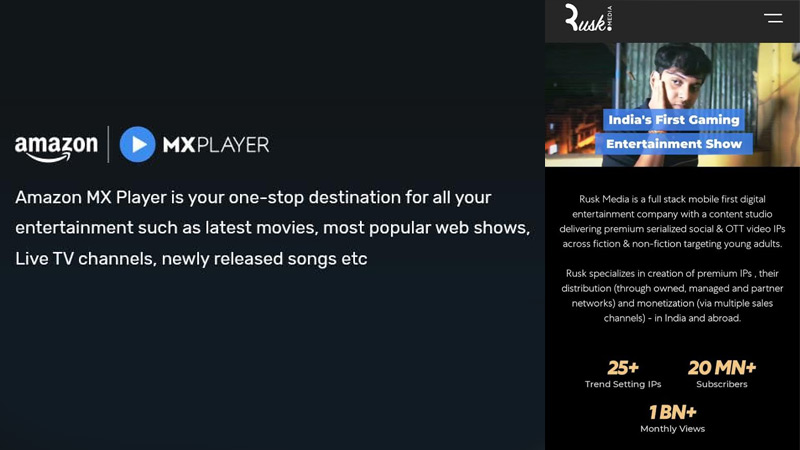
NATIONAL: Amazon Ads has laid out a sharply tech-led vision for the advertising industry in 2026, arguing that artificial intelligence, streaming TV and creator partnerships will combine to turn brand building into a more precise, performance-driven business.
At the heart of the shift, the company says, is the fusion of AI with Amazon’s vast trove of shopping, browsing and streaming signals, allowing advertisers to move beyond blunt reach metrics to campaigns designed around real customer behaviour.
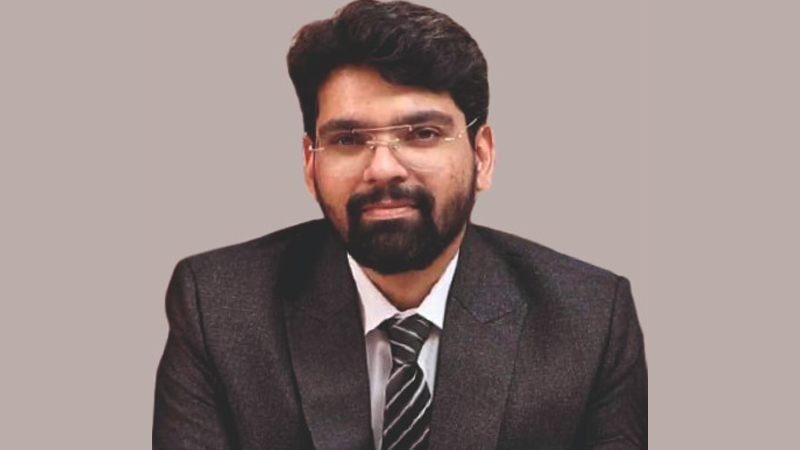
“The future of advertising is not about reaching more people, but the right people with messages that resonate,” said Amazon Ads India head and vice president Girish Prabhu. “By combining AI with deep customer insights, we help brands move from broadcasting campaigns to having meaningful conversations wherever audiences spend their time.”
One of the biggest changes, according to Amazon Ads, will be the collapse of the wall between media planning and creative development. Retail media, powered by first-party data, is increasingly shaping everything from brand discovery to final purchase, pushing marketers to design campaigns around audience insight rather than internal instinct.
AI is also moving from a support tool to a creative engine. Agentic AI, which automates and accelerates production, is expected to make high-quality creative accessible even to small businesses, compressing weeks of work into hours and giving challengers the ability to compete with larger brands on speed and scale.
Behind the scenes, AI-driven analytics will take on a bigger role in campaign optimisation, identifying patterns, spotting opportunities and recommending actions that would previously have required teams of analysts.
Streaming TV is another big battleground. With India’s video streaming audience now above 600 million and connected TV users at 129.2 million in 2025, advertisers are set to treat streaming not just as a branding channel but as a performance engine, measured increasingly by sales, sign-ups and bookings rather than just reach.
Finally, Amazon Ads sees creators and contextual advertising reshaping how brands tell stories. Creators will act less like influencers and more like long-term partners, while scene-aware ads on streaming platforms will allow brands to insert hyper-relevant offers into the flow of what viewers are watching.
Taken together, Amazon Ads argues, these shifts mark a move towards advertising that is both more human and more measurable, where AI handles the complexity, and creativity does the persuading.






