MAM
Simran Hoon steps down as QYOU Media India CEO

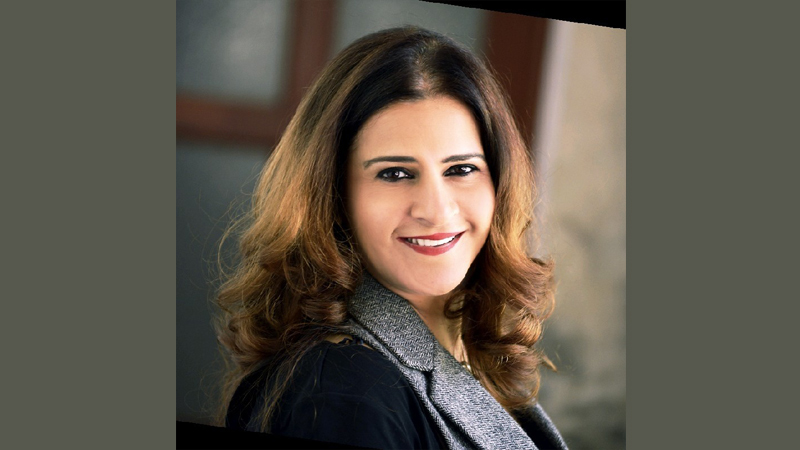
Mumbai: QYOU Media India CEO Simran Hoon has decided to move on from her current role at the company. During her tenure, Hoon’s leadership as the company’s maiden CEO has been instrumental in scaling the company to new heights and spearheading its expansion. Her strategic insights and unwavering commitment have guided the growth for QYOU Media India into a dynamic brand that resonates with its audiences. Hoon’s guidance has played a significant role in shaping QYOU Media India as a brand known for its creativity, innovation, and forward-thinking approach in the media and entertainment landscape.
Simran Hoon took the helm as CEO in 2021 and in a very short span of time, expanded QYOU Media India’s footprint across linear and digital business with the launch of channels and apps. She also oversaw the strategic acquisition of key media assets, forging partnerships that allowed QYOU Media India to reach new audiences and diversify its offerings.
Speaking on the development, QYOU Media CEO and co-founder Curt Marvis said, “The Board of Directors and I want to thank Simran for all of her determined efforts and accomplishments on behalf of QYOU Media in India. During her time with us we have furthered the foundation and scale of our business across the board and we wish her the best in all of her new endeavors.”

Looking back at her journey at QYOU Media India, Simran Hoon said, “It has been an incredible journey leading this company along with a team of talented professionals who are truly committed to pushing the boundaries of media and entertainment. I am grateful for this opportunity and shall cherish the learnings in leading India’s youngest and fastest-growing media and entertainment company.”





MAM
Beacon Group appoints Dr Rajesh Patel as Group CEO
36-year healthcare veteran to lead Beacon Diagnostics, Vector Biotek, Biogeny.
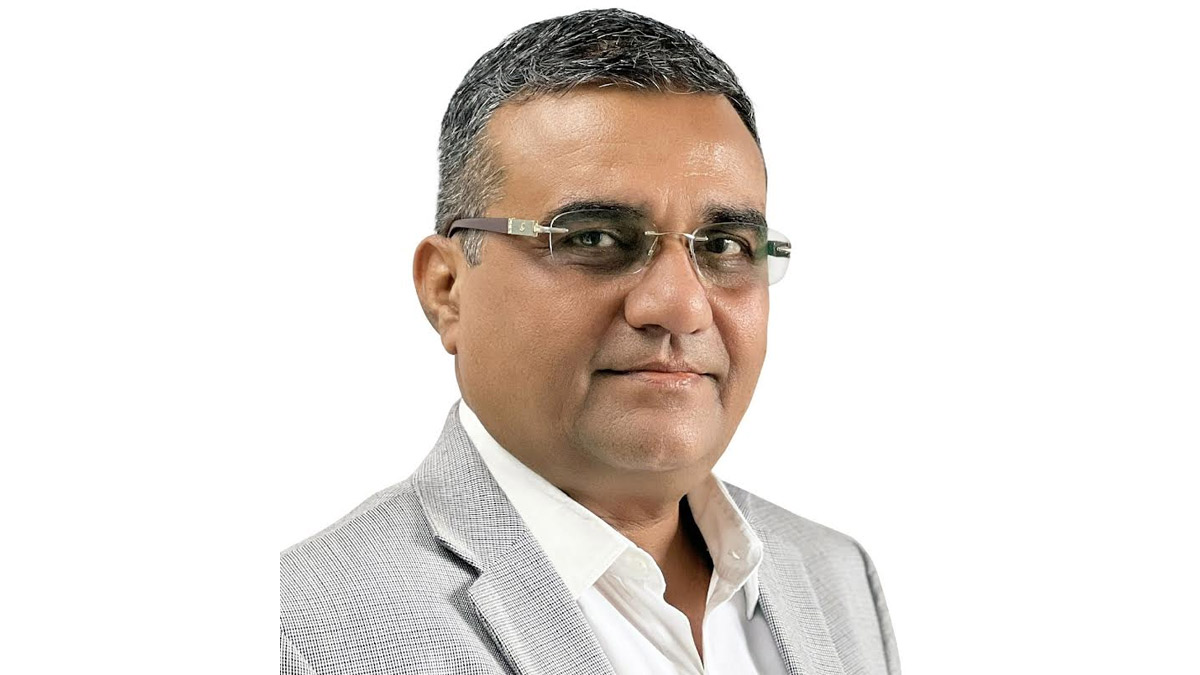
MUMBAI: A new chief, a fresh diagnosis and a sharper prescription for growth. Beacon Group has appointed Dr Rajesh Patel as its Group Chief Executive Officer, effective April 1, 2026, signalling a decisive push to scale its presence in the diagnostics and IVD space. Patel steps into the role with 36 years of experience across the healthcare and diagnostics industry, bringing a career shaped by leadership roles spanning sales, marketing, business development and operational strategy. His mandate is both expansive and precise: to steer the group’s overall strategic direction while tightening coordination across its three core entities Beacon Diagnostics, Vector Biotek and Biogeny Diagnostics.
In practical terms, that means driving cross-company synergies, accelerating market expansion and strengthening organisational capability areas increasingly critical as diagnostic players compete for scale in a fragmented yet rapidly evolving healthcare ecosystem. The group is positioning itself to capture unmet demand across chain laboratories, key accounts and standalone labs, segments that remain underserved despite growing diagnostic needs.
The appointment comes at a time when the In Vitro Diagnostics (IVD) sector in India is entering a more competitive and innovation-led phase, with companies focusing not just on product pipelines but also on service delivery, integration and customer-centric models. Beacon’s leadership appears to be betting that Patel’s execution-focused approach can help translate ambition into operational momentum.
Welcoming the appointment, Chairman Dr D K Joshi described Patel’s induction as a strategic move aligned with the group’s long-term vision, emphasising the role of leadership depth in navigating the next phase of growth.
For Beacon Group, the message is clear, in a sector where precision matters, leadership is the new differentiator—and this appointment is intended to set the tone for what comes next.






