Brands
Shifting consumer communication strategies by brands during COVID-19


MUMBAI: The COVID-19 pandemic has created an unprecedented situation for everyone around the globe. As far as brands and marketers are concerned, they are unsure of what they should be communicating to consumers. Though there is no fixed strategy, companies are coping in different ways.
Follow Tellychakkar for the consumer facing news & entertainment
To seek the answers, indiantelevision.com arranged a virtual panel discussion including Timex Group India Head market Ajay Dhyani, Duroflex Mattresses India VP-marketing Smita Murarka, Mirum India joint CEO Sanjay Mehta and FBB future retail CMO Prachi Mohapatra. The panel was moderated by Indiantelevision.com CEO, founder and editor-in-chief Anil Wanvari.

According to Mohapatra it is not a time for any brand to implement push or pull strategy but to stay relevant to its brand ideology and think from the point of view of a consumer. A lot of brands and agencies are taking help from influencers and social media to engage with consumers.
She also mentioned that from a brand perspective this is not a space to be marketing everything. Mohapatra also believes that before becoming marketers they are consumers. “For example, from a fashion perspective, all I am going to do is keep my customers engaged. There is no push or pull going to happen from the brand," she said.
Understanding the importance of fitness and mental health Timex group has found a perfect way to tell consumers how much the brand cares for them. It even extended the warranty period of its watches through a push notification.
“We have one segment of watches which is focused on health and fitness. The communication slightly shifted towards communicating with our consumers, talking more about health and fitness tips. There are a large number of applications installed on the handsets of our consumer. We also have an app for registering people with quarantine. Apps were used to give push notifications to our consumers, and inform them about health and hygiene,” said Dhyani.
Mehta said that they did not have very high exposure to some of the sectors which are more impacted like travel and hospitality. They have faced a huge loss from the revenue front.
He added that a lot of clients have had to cut down on media spends, which is a large vertical that took a hit. Some of the conversations were around retailers choosing to pause marketing completely.
Mehta points out that if something is going to resume it is going to be e-commerce and delivery of all products with digital enabling that change. He believes that there won't be many people mingling in the future.
Murarka notes that before the COVID situation, there was an influx of brands, discounting and sales mechanisms. For Duroflex Mattresses, Covid 19 has been a good time to talk about what the brand stands for: sleep solutions.
She added, “We started looking at people with an intention of what relevant communication we can make during this time. So, we stayed true to our purpose and without commercial gains. I think that is when the real hallmark of longstanding trustworthy brands happen when there is no commercial gain involved." It has also tied up with a influencers to create awareness about sleep solutions.






Brands
IndiGo names William Walsh CEO
Former IATA chief to take charge in August after Elbers exit, Bhatia steers interim
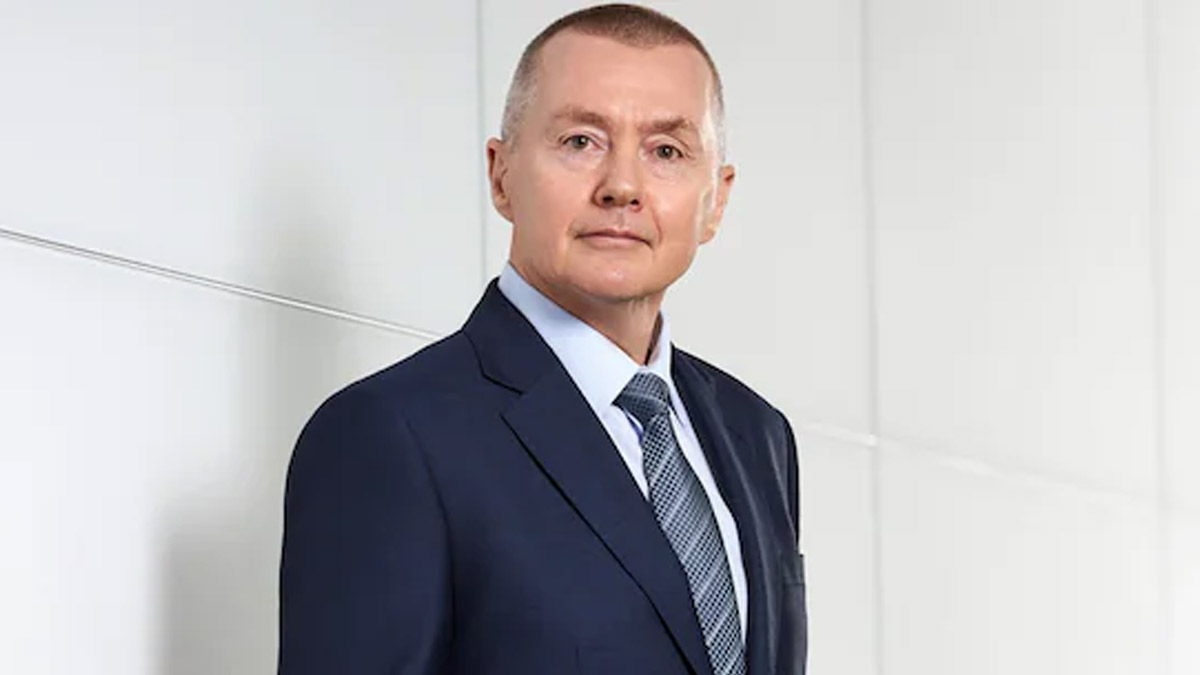
India’s biggest airline has moved fast and gone global. InterGlobe Aviation, which operates IndiGo, has tapped aviation heavyweight William Walsh as chief executive officer, subject to regulatory approvals, marking a sharp pivot as the carrier eyes its next burst of expansion.
Walsh, currently director general at the International Air Transport Association, will step down on July 31, 2026, and is expected to take charge by August 3. The appointment comes barely three weeks after Pieter Elbers exited the corner office, with Rahul Bhatia holding the fort in the interim.
The choice signals intent. Walsh brings decades of cockpit-to-boardroom experience, having led British Airways and later International Airlines Group, the parent of Aer Lingus, Iberia and Vueling. His tenure across carriers has been defined by hard resets, restructurings and cross-border consolidation—skills IndiGo may need as competition intensifies and scale becomes decisive.
Vikram Singh Mehta, chairman and non-executive independent director of IndiGo, said Walsh’s experience in managing large-scale airline operations and navigating complex market dynamics makes him well-suited to lead IndiGo in an increasingly competitive global aviation environment, adding that the appointment marks a new chapter as the airline scales in one of the world’s fastest-growing markets.
Rahul Bhatia said Walsh’s global perspective, operational expertise and customer-focused approach would be critical as IndiGo enters its next phase of expansion.
Walsh, widely regarded as one of the industry’s most influential figures, will oversee overall management and strategic direction, with a mandate spanning operational performance, network expansion, commercial strategy and customer experience. He is expected to work closely with the board and leadership team to sharpen IndiGo’s growth trajectory.
Walsh said IndiGo has a strong foundation and is well-positioned to capitalise on the evolving aviation landscape, adding that he looks forward to fostering a culture of excellence, innovation and sustainable value creation across the organisation.
A new captain, a bigger runway—and a market that rewards scale. IndiGo is lining up for its next take-off.