Digital
Sharp rise in childhood myopia in India tied to excessive screen time, say experts


MUMBAI: India may face a myopia epidemic among children, with nearly 50 per centp expected to be affected by 2050 if current screen usage trends continue, according to projections in Ophthalmic & Physiological Optics.
As screens become part of daily life for young users, particularly for entertainment and education, doctors are flagging a spike in eye-related health issues among Indian children, ranging from myopia to digital eye strain, disturbed sleep, and even behavioural changes.
A recent study reported in the Times of India, citing findings from the journal Cureus, revealed that over 50 per cent of children under five who were exposed to extended screen time showed symptoms of digital eye strain. These included fatigue, headaches, sleep disturbances, and mood-related behavioural issues, raising concerns over long-term developmental impact.

“Prolonged screentime puts school-age children at a higher risk of ocular digital stress like increased incidence of myopia or near-sightedness, rapid progression of myopia, squint, and dry eye disease,” said Dr Deepti Joshi, MS, FIPO, Consultant in the Department of Paediatric Ophthalmology and Strabismus at MM Joshi Eye Institute in Karnataka. “Screen-emitted blue light poses a dual threat: damaging the retina due to free radicals and affecting overall health by suppressing melatonin and disturbing sleep.”
Between 1999 and 2019, myopia among urban Indian children aged 5 to 15 rose from just over 4 per cent to more than 21 per cent, according to a Times trend report. If this trajectory continues, researchers warn of a generational spike in vision impairment that may affect education, attention spans, and even emotional well-being.
In Rajkot, a survey by the Psychology Department at Saurashtra University found that 81% of children under 10 were regularly using screens, mostly to watch cartoons, during meals. The study underlines how digital devices have become deeply embedded in routines like eating, learning, and even sleeping.
Health experts now urge a two-pronged approach: limit screen time and encourage the use of devices that reduce visual strain.
“Instilling healthy screen habits early on is the key to safeguarding children’s eye health,” added Dr Joshi. “Setting a strict screen time limit is one-way parents can support the same. When screens are necessary for academics, follow the 20-20-20 rule: Every twenty minutes, take a twenty-second break and stare at something 20 feet away to alleviate digital eye stress. Using blue light filter modes can also help.”
While the bulk of responsibility still lies with caregivers, some tech companies are beginning to design products with eye health in mind. Devices like the OPPO Pad SE, for instance, include TÜV Rheinland-certified low blue light and flicker-free displays, intended to reduce visual strain.
The tablet also features Kids Mode, allowing parental controls on app access and screen time, along with adaptive eye-protection settings that respond to ambient light, helping reduce harsh contrasts in low-light use.
According to Oppo India head of product communications, Savio D’Souza said, “At Oppo, innovation isn’t just about performance metrics, it’s about designing technology that improves life in a measurable, meaningful way.”
What was once dismissed as a parenting challenge is now being recognised as a public health concern. With screens unlikely to disappear from children’s lives, experts agree the focus must shift to how screens are used—and how safe they are.
“It’s not about eliminating digital access for kids,” said Dr Joshi, “but about enabling safer and healthier use—starting with awareness and supported by responsible tech design.”







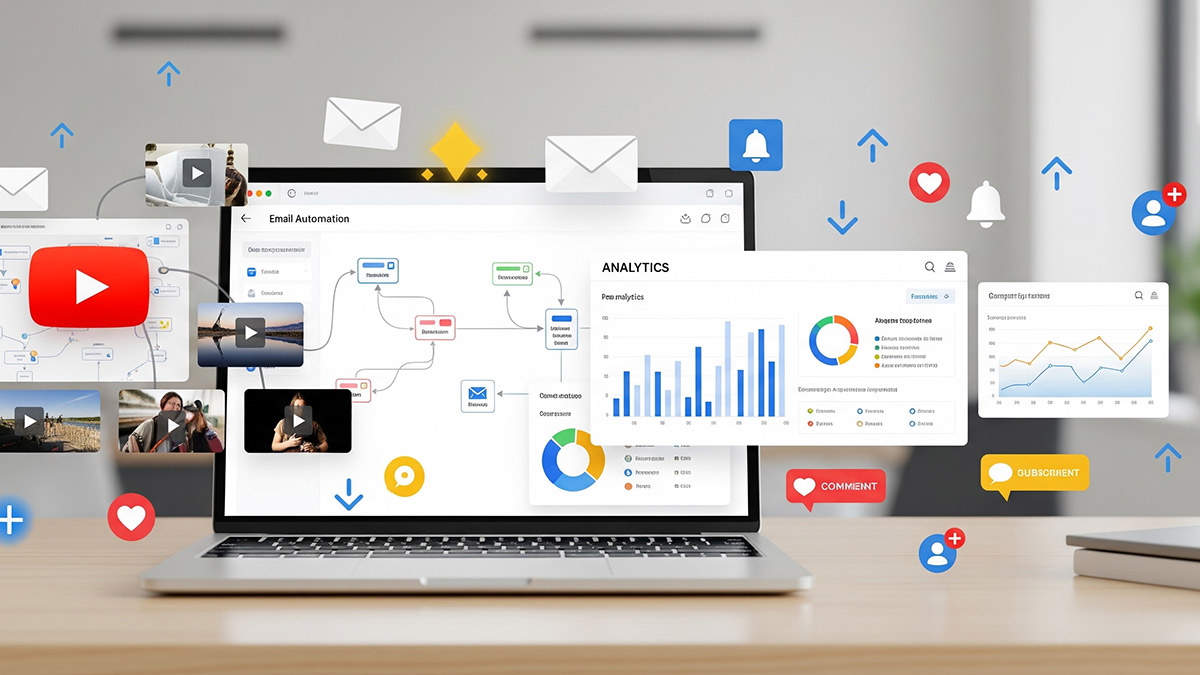
Introduction
In the modern digital landscape, businesses are constantly seeking innovative ways to reach their audience, build relationships, and drive conversions. Two of the most powerful tools in digital marketing today are email automation and YouTube marketing. These strategies not only help brands engage with their audience but also provide measurable results that can significantly impact business growth. Platforms like ExamCollection offer valuable insights and resources for mastering these techniques. In this article, we will explore how email automation and YouTube marketing can transform your digital strategy and help you achieve long-term success.
The Power of Email Marketing Automation
Email marketing remains one of the most effective channels for communication and conversion. However, manually managing email campaigns can be time-consuming and inefficient. This is where marketing automation comes into play. Automation tools allow businesses to send personalized messages based on user behavior, preferences, and engagement patterns. This not only improves efficiency but also enhances the customer experience.
Benefits of Marketing Automation
Marketing automation provides several advantages, including increased productivity, improved targeting, and better customer retention. By automating repetitive tasks, businesses can focus on strategy and creativity. Additionally, automation enables marketers to segment their audience and deliver highly relevant content, which leads to higher open rates and conversions. It also provides valuable analytics that help optimize campaigns for better performance.
How to Master Email Automation
To master email automation, businesses need to understand their audience and create targeted campaigns. This involves setting up workflows, designing engaging email templates, and analyzing performance metrics. Tools like CRM systems and automation platforms can help streamline the process. Learning from expert guides and resources can significantly improve your skills and results.
The Rise of YouTube Marketing
YouTube has become one of the most influential platforms for digital marketing. With billions of users worldwide, it offers businesses an فرصة to reach a massive audience. Video content is highly engaging and can convey messages more effectively than text or images. As a result, many brands are investing in YouTube marketing to build their online presence and connect with their audience.
Key Strategies for YouTube Success
Successful YouTube marketing requires a well-planned strategy. This includes creating high-quality content, optimizing videos for search, and engaging with viewers. Consistency is also crucial, as regular uploads help build a loyal audience. Additionally, using analytics tools can help track performance and identify areas for improvement.
Explore more: https://www.examcollection.com/blog/master-youtube-marketing-with-these-10-powerful-steps/
Combining Email and YouTube Marketing
Integrating email automation with YouTube marketing can create a powerful synergy. For example, businesses can use email campaigns to promote new videos, share exclusive content, and drive traffic to their YouTube channel. Similarly, YouTube videos can encourage viewers to subscribe to email lists, creating a continuous cycle of engagement. This integrated approach can significantly enhance marketing effectiveness.
The Role of Data and Analytics
Data plays a crucial role in both email and YouTube marketing. By analyzing user behavior and engagement metrics, businesses can make informed decisions and optimize their strategies. Metrics such as open rates, click-through rates, watch time, and subscriber growth provide valuable insights into campaign performance. Using these insights, marketers can refine their approach and achieve better results.
Challenges and How to Overcome Them
While email automation and YouTube marketing offer numerous benefits, they also come with challenges. These include content creation, audience engagement, and staying updated with changing algorithms. To overcome these challenges, businesses need to invest in continuous learning and adapt to new trends. Leveraging reliable resources and expert guidance can make a significant difference.
Future Trends in Digital Marketing
The future of digital marketing is likely to be shaped by advancements in artificial intelligence, personalization, and interactive content. Automation tools will become more sophisticated, enabling even more personalized experiences. Video content will continue to dominate, with platforms like YouTube playing a central role in marketing strategies. Businesses that stay ahead of these trends will have a competitive advantage.
FAQ
1. What is email marketing automation?
Email marketing automation involves using software to send targeted and personalized emails based on user behavior and preferences.
2. Why is YouTube important for marketing?
YouTube provides a platform to reach a large audience and engage users through video content.
3. Can small businesses benefit from these strategies?
Yes, both email automation and YouTube marketing are highly scalable and suitable for businesses of all sizes.
4. How can I improve my email open rates?
By creating compelling subject lines, segmenting your audience, and delivering relevant content.
5. What tools are used for YouTube marketing?
Tools like video editing software, analytics platforms, and SEO tools are commonly used.
Conclusion
Digital marketing is evolving rapidly, and businesses must adapt to stay competitive. Email automation and YouTube marketing are two powerful strategies that can drive significant growth when implemented effectively. Email automation allows businesses to deliver personalized and timely messages, improving customer engagement and retention. On the other hand, YouTube marketing provides a platform to connect with a vast audience through engaging video content. By combining these strategies, businesses can create a comprehensive marketing approach that maximizes reach and impact. Platforms like ExamCollection offer valuable resources that help marketers understand and implement these techniques effectively. The integration of data and analytics further enhances the effectiveness of these strategies, enabling businesses to make informed decisions and optimize their campaigns. However, success in digital marketing requires continuous learning, creativity, and adaptability. As technology continues to advance, new opportunities and challenges will emerge. Businesses that stay updated with the latest trends and leverage the right tools will be well-positioned for success. Ultimately, mastering email automation and YouTube marketing can lead to increased brand visibility, higher engagement, and improved conversion rates. By investing time and effort into these strategies, businesses can achieve sustainable growth and long-term success in the competitive digital landscape.






