MAM
SBI Life’s #PapaHainNa campaign shines at LIMRA & LOMA 2016


MUMBAI: SBI Life’s #PapaHainNa Social Media Campaign bagged LIMRA & LOMA 2016 Social Media Silver Bowl Award for Best Use of Social outside US. The idea was conceptualized and co-created by SBI Life and their media agency Mindshare India, a part of GroupM. This is an award by the world renowned organization, LIMRA, which is known for its research, learning and development initiatives in the Insurance industry across the world. SBI Life and Mindshare India overcame competition from six countries to achieve this win.
SBI Life’s #PapaHaiNa campaign has showcased excellent use of Social Media to engage their customers in an emotional manner. The campaign is an emotional ballad, in the form of a music video, celebrating the Father – Child relationship, on which the company’s overall communication also focuses. The video was launched on the SBI Life’s YouTube channel along with SBI Life’s Facebook page and Twitter handle. The video received over 1.2 Million views on YouTube and had over 7,150 interactions on Facebook. The song was well received by the audience on social media and had garnered more than 30.5 million impressions and more than 2,912 conversations on twitter, which also led to it trending nationally.
On the occasion of Father’s Day, 21st June 2015, through the campaign, audiences were encouraged to participate by sharing their treasured moments with their Dad using the hashtag #PapaHainNa. The contest received over 125 entries. The selected entries were then featured in the video created using content received during the campaign and was launched on SBI Life`s YouTube channel and Facebook page on Father’s Day.

Speaking on the occasion SBI Life Insurance MD and CEO Arijit Basu said, “As a brand we believe in building a strong bond with our customers. A special day like Father’s Day helps remind everyone of the sacrifices that our parents made for us, and the #PapaHainNa campaign was a way to articulate our gratitude towards them. We are highly honored with this recognition and equally proud of the well-executed campaign that rightfully leveraged the brands messaging and engaged the consumers on various social media platforms.”
Expressing his delight, Mindshare South Asia CEO Prasanth Kumar said ‘’Winning this award is like adding another feather into our hat. These awards showcase the development we have made in the International market. It is a proud moment for me as it proves how our teams’ efforts have exponentially grown on such a large forefront. We shall keep striving to one up our current level of performance, so as to cease more opportunities and wins such as these. ‘’
SBI Life head brand and corporate communication Ravindra Sharma said, “It is truly a matter of honor for us that we have received this coveted award. The award further validates the success of this campaign in connecting to our customers and giving them a platform to express their emotions via social media. SBI Life’s continuous thrive to reach out to our customers and giving them the moments to cherish and celebrate life will definitely lead to many such awards in the coming days as well.”
LIMRA is the trusted source of industry knowledge for over 850 financial services firms. LOMA is committed to business partnerships with over 1,200 world-wide members in the insurance and financial services industry. The 2016 awards program categories recognized how social media is being used to educate consumers, recruit employees; showcase how companies are integrating social media initiatives to support campaigns. The awards recognize those who are adopting the growing list of new platforms and advance ‘social good’ through their programs.
For the awards, thirty-six companies submitted 57 entries for consideration this year. LIMRA and LOMA enlisted 41 financial services executives and social media subject experts to judge the submissions. This win signifies how Mindshare and SBI Life are working together to utilize the social media platforms effectively to engage with consumers and meet their business goals.





MAM
Beacon Group appoints Dr Rajesh Patel as Group CEO
36-year healthcare veteran to lead Beacon Diagnostics, Vector Biotek, Biogeny.
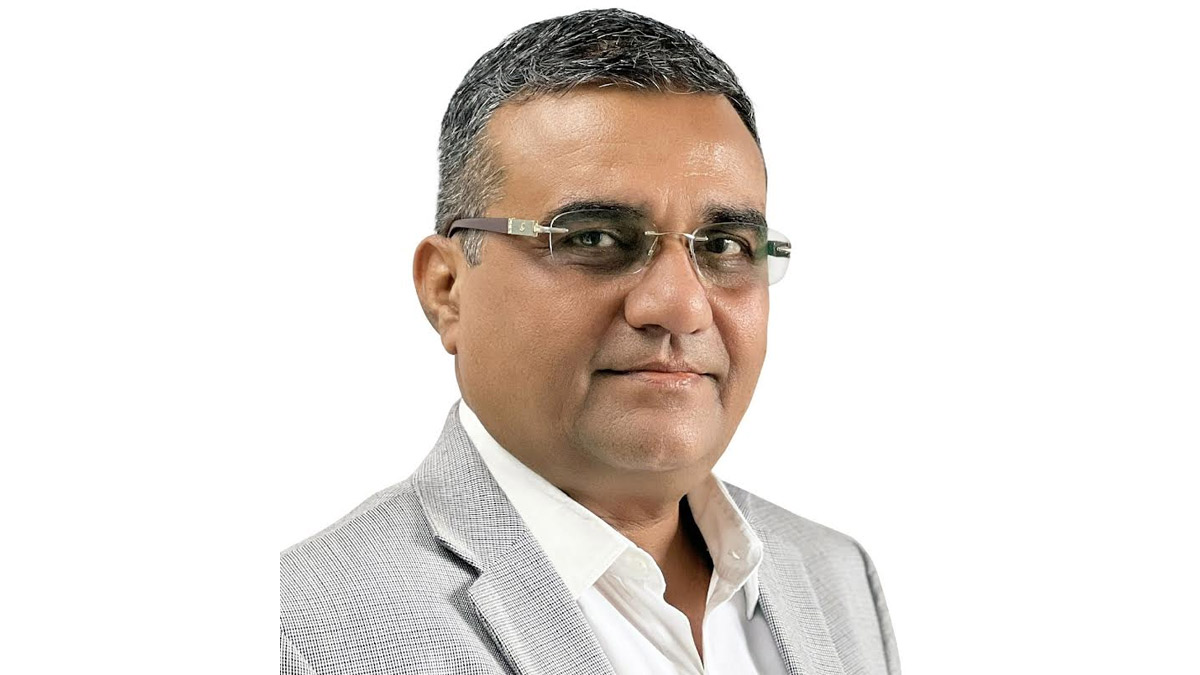
MUMBAI: A new chief, a fresh diagnosis and a sharper prescription for growth. Beacon Group has appointed Dr Rajesh Patel as its Group Chief Executive Officer, effective April 1, 2026, signalling a decisive push to scale its presence in the diagnostics and IVD space. Patel steps into the role with 36 years of experience across the healthcare and diagnostics industry, bringing a career shaped by leadership roles spanning sales, marketing, business development and operational strategy. His mandate is both expansive and precise: to steer the group’s overall strategic direction while tightening coordination across its three core entities Beacon Diagnostics, Vector Biotek and Biogeny Diagnostics.
In practical terms, that means driving cross-company synergies, accelerating market expansion and strengthening organisational capability areas increasingly critical as diagnostic players compete for scale in a fragmented yet rapidly evolving healthcare ecosystem. The group is positioning itself to capture unmet demand across chain laboratories, key accounts and standalone labs, segments that remain underserved despite growing diagnostic needs.
The appointment comes at a time when the In Vitro Diagnostics (IVD) sector in India is entering a more competitive and innovation-led phase, with companies focusing not just on product pipelines but also on service delivery, integration and customer-centric models. Beacon’s leadership appears to be betting that Patel’s execution-focused approach can help translate ambition into operational momentum.
Welcoming the appointment, Chairman Dr D K Joshi described Patel’s induction as a strategic move aligned with the group’s long-term vision, emphasising the role of leadership depth in navigating the next phase of growth.
For Beacon Group, the message is clear, in a sector where precision matters, leadership is the new differentiator—and this appointment is intended to set the tone for what comes next.






