Brands
SBI hands over media mandate to DDB Mudramax


MUMBAI: Indian bank, State Bank of India (SBI), has appointed DDB Mudramax as its media agency for media duties.
The account was won post a multi-agency pitch and will be handled out of the agency’s Mumbai office.
It will be led by Navin Kathuria, EVP and principal partner, DDB Mudramax.

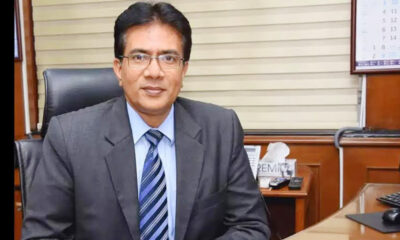
State Bank of India CMO Dinesh Menon says, “We at SBI are committed to providing innovative financial solutions to our wide base of customers and prospects. We needed an agile strategic media partner who can work closely with our brand marketing team to facilitate greater consumer traction for our brands. Our esteemed agency evaluation panel felt that DDB Mudramax can help us unlock our true potential.”
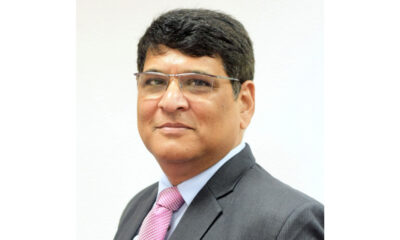
DDB Mudramax president Sathyamurthy Namakkal adds, “We have been associated with SBI for several years as one of their empaneled agencies. With this mandate to be the sole Media AOR, we are now entrusted with more responsibility to grow our relationship to the next level. We look forward to some business impact solutions through interesting customer initiatives.”




Brands
Rakesh Menon joins Paytm as avp – lending
Fintech product leader takes on new role after building digital lending, payments and credit products across fintech ecosystem
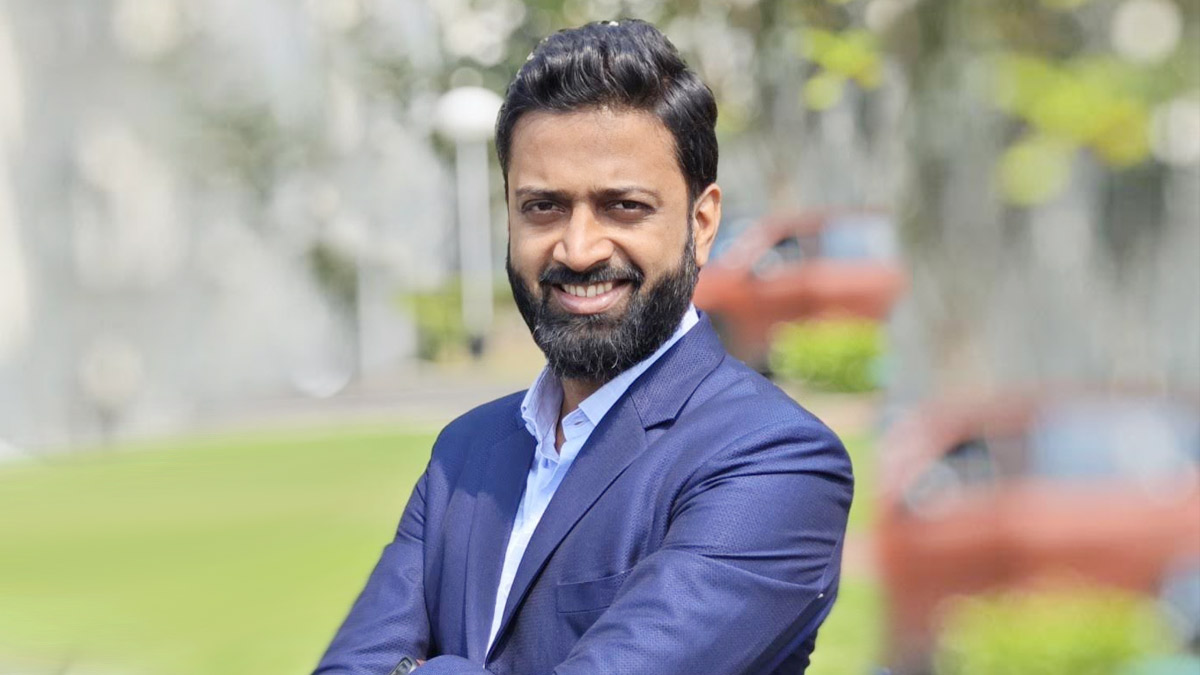
MUMBAI: Rakesh Menon has joined Paytm as assistant vice president – lending, taking on a new role focused on strengthening the company’s lending and credit products.
Prior to this, Menon worked at Profectus Capital Pvt Ltd as chief manager – payments based financing and digital lending.
At Profectus, he designed and launched digital credit products for merchants with variable cash flows, including overdraft-linked and revenue-share lending models. He led end-to-end LOS–LMS API integrations with payment partners and aggregators, enabling real-time underwriting, disbursal and repayment workflows.
He also worked on funnel optimisation initiatives using journey analytics, improving onboarding, KYC and disbursal conversion by 35 per cent. He developed ecosystem partnerships for transaction-data-based credit assessment and automated settlement systems, and collaborated with credit and data science teams to strengthen risk models and early delinquency detection.
Menon standardised partner onboarding and API frameworks, reducing go-live timelines by 40 per cent and improving digital scalability.
Before Profectus Capital, he worked at PayU as senior manager – presales lead – enterprise business from August 2022 to August 2023. He set up a national presales function for fintech and digital commerce clients, aligning solutions such as EMI, BNPL, BBPS and offer engines to merchant requirements.
He also helped improve conversion rates by around 15 per cent through merchant persona mapping, demo frameworks and structured sales playbooks, working closely with product and go-to-market teams.
From April 2019 to July 2022, Menon served as business unit head – SMB – direct acquisitions at Worldline, where he built the SMB online payments vertical from scratch. The business scaled to Rs 2,500 crore in annual transaction volume, growing at 45 per cent year-on-year.
During this period, he introduced paperless onboarding processes including eKYC and eSign, developed partner dashboards and CRM automation systems, and integrated platforms such as Shopify, WooCommerce and Tally to expand merchant adoption.
Across roles, Menon has worked across digital lending, payments and merchant financing, with experience in product development, ecosystem partnerships, API integrations and fintech-led growth strategies.
At Paytm, he will focus on scaling lending products and strengthening digital credit infrastructure within the company’s financial services ecosystem.
His appointment comes as fintech firms continue to expand their lending and embedded finance offerings in a competitive market.







