MAM
Sahara to support Indian Master Polo


MUMBAI: Sahara India Pariwar, a major business conglomerate, today announced that it will provide support the upcoming ‘Indian Masters Polo‘ which is scheduled to be played from 29 February to 4 March at the Jaipur Polo ground in New Delhi.
As a part of its endeavour, to promote the game of Polo, Sahara India Pariwar will also provide a prize money of Rs 500,000 to all the four participating teams. The event is promoted by Equisport Management, a sports management company.
Played since the year 1911, the Indian Masters Polo is one of the two ‘Grand-Slams‘ of Indian Polo along with the Indian Open, which is played at the highest level of 16 goals. The iconic tournament will be played between four professional teams of Sahara Warriors, Jindal Steel & Power, Cavalry-USPA & the Cavalry-TJP and will also witness some of the leading Indian and international professionals.

Speaking on the occasion, Sahara India Pariwar managing worker & chairman Subrata Roy Sahara said, “I believe that Sports represent the most spirited, healthy and energetic facet of a society. I feel really honoured to be associated with the sport of Polo it has its roots in India and represents the glorious heritage of India. Sahara India Pariwar is happy to be associated with this iconic tournament and I hope it will provide encouragement to both the sport and the sportsmen.”
Equisport Management CEO Adhiraj Singh said, “I take this opportunity to thank Sahara India Pariwar, specially ‘Saharasri‘ Mr. Subrata Roy Sahara who is the greatest patron of sports, for coming forward and supporting the Indian Masters Polo. I am sure this association would encourage all the national and international players to perform even better in the various forthcoming International tournaments.”
The sponsor of Indian Cricket and Hockey, Sahara India Pariwar, has adopted Indian Boxing, Wrestling, Archery, Shooting, Track & Field and Tennis covering support of a total of 95 sportsmen in these six games who are potential medal winners, until after London Olympics 2012.




MAM
Crocs and Lego launch new collaborative collection in India
Iconic brands bring playful creativity to footwear with first drop on 13 April 2026.
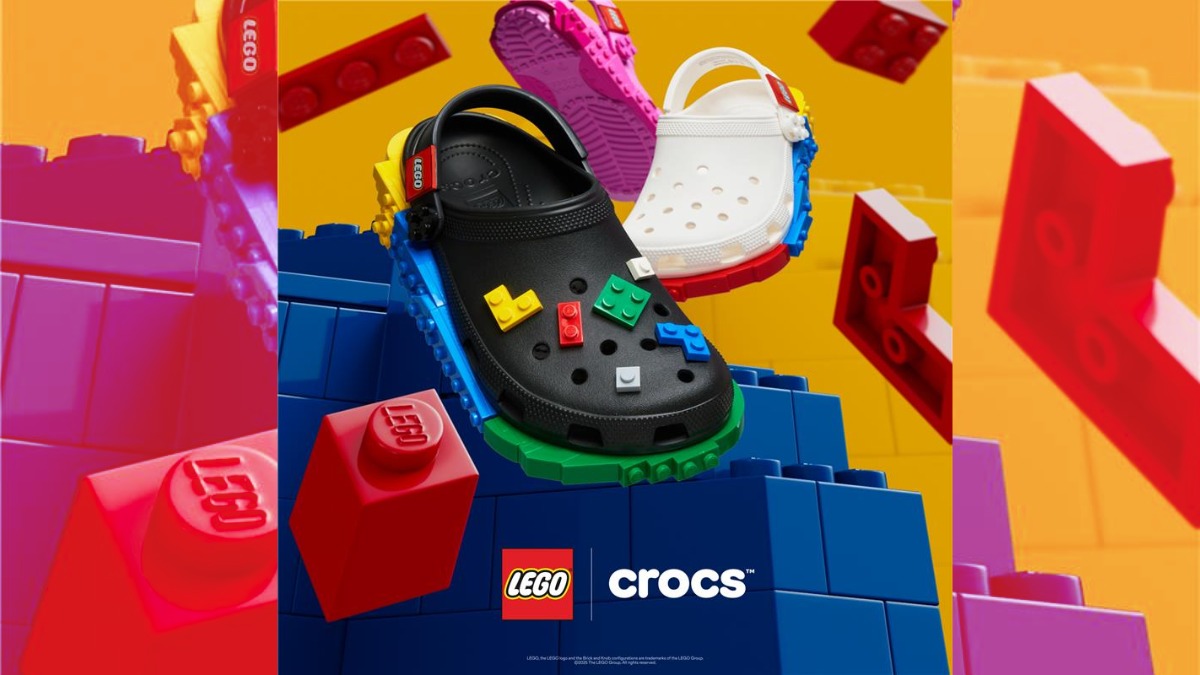
MUMBAI: Crocs and Lego have clicked together once again and this time, the bricks are heading straight for Indian feet. The global footwear brand Crocs has announced the India launch of its latest Crocs x Lego Group collection, following the excitement of their multi-year global partnership unveiled earlier this year. The collaboration celebrates creativity, play, and individuality, merging Crocs’ signature comfort with Lego’s iconic building-block spirit.
The collection will roll out in two phases. A digital-exclusive pre-launch begins on 13 April 2026 on crocs.in, featuring four styles: the Lego Masterbrand Creativity Clog, Lego Midnight Garden Creativity Clog, Lego Creativity Clog, and Kids’ Lego Creativity Clog. Each pair purchased during this phase will include an exclusive Lego minifigure as a collectible bonus.
From May 2026, the full collection will be available across select Crocs stores, VegNonVeg, and Foot Locker outlets nationwide.
The designs playfully blend Crocs’ classic clog silhouette with Lego brick-inspired details, complete with custom Jibbitz charms on the upper and sole. The collection encourages wearers to treat their footwear as a canvas for personal expression, without any set instructions just an open invitation to build, explore, and have fun.
Crocs chief marketing officer Carly Gomez said, “The Lego Group’s boundless imagination makes them the perfect match to Crocs’ wonderfully unordinary spirit. We are both brands that pride ourselves on being built different, celebrating self-expression and fuelling creativity.”
LEGO Group, head of licensing & extended line design & partnerships Satwik Saraswati added, “Our common mission to enable self-expression and wear it with pride only marks the beginning of a journey with endless possibilities.”
The campaign will extend beyond the product launch through creator-led seeding, elevated visual merchandising, and exclusive on-ground previews, supported by a deeper partnership with the Lego India team.
In a market that loves both comfort and fun, Crocs and Lego have built something special, a collection that lets every step feel like playtime. Get ready to click your heels (or rather, your clogs) because this collaboration is set to be a blockbuster hit with Indian fans.







