MAM
Saatchi & Saatchi creates new TVC for Skoda Laura

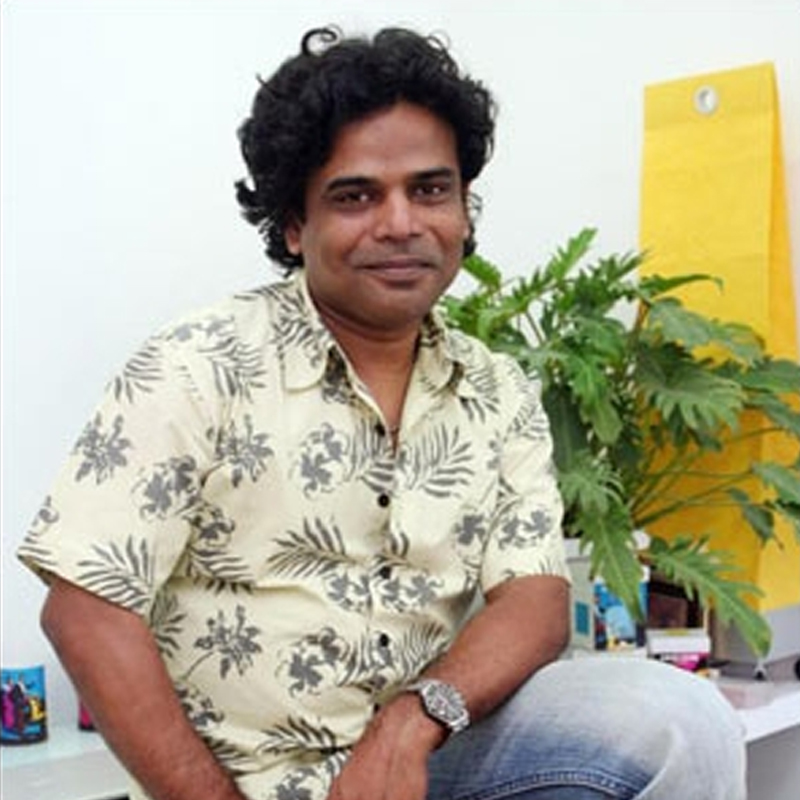
Mumbai: Saatchi & Saatchi has launched a new television commercial for Skoda Laura RS, the new addition to the Rally Sports legacy in Skoda portfolio.
The TVC is based on the insight that men find a game of speed irresistible.
Saatchi & Saatchi chief creative officer Ramanuj Shastry said, “Power and performance in a car being a huge turn on for men is a well known fact. We dramatised this fact by having our leading lady use the aphrodisiac quality of ‘the smell of burning rubber‘ to be more attractive to men. The film is more refreshing visually at least than a stereotypical male racing the car around town.”

The 30-second TVC opens to showcase a hip club in a big city. The car enters the frame and stops just outside the club. To the surprise of the waiting crowd, the car revs up again and performs powerful stunts before coming to a stop once again. An attractive woman then gets off the driver‘s side and dabs on the burnt rubber on her neck. She walks towards the club confident of her irresistible attractiveness, all thanks to smell of the burnt rubber.






Brands
Emami names Dhruv Aggarwal as chief growth officer
Former Bain partner steps in as FMCG firm sharpens growth playbook
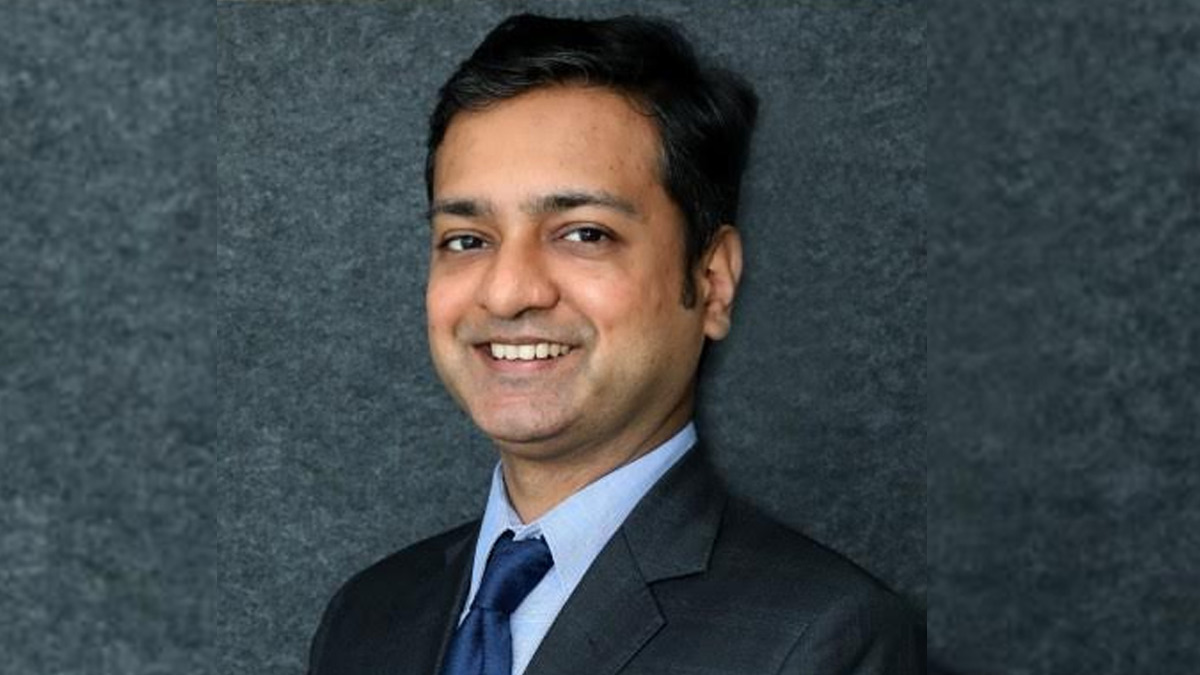
MUMBAI: Emami Limited has appointed Dhruv Aggarwal as its chief growth officer, effective 25 March 2026, following the resignation of Giriraj Bagri.
Aggarwal joins the FMCG major from Bain & Company, where he most recently served as partner. With over two decades of experience across consulting and strategy, he brings a global perspective shaped by work across India, the US, the UK and Germany.
During his tenure at Bain, Aggarwal advised consumer, retail and media companies on large-scale transformations, business turnarounds and growth strategies. He was also closely involved with India’s startup ecosystem, guiding early-stage ventures on scaling and digital expansion, while supporting private equity and venture capital firms on investment decisions.
His earlier stints include a brief role at Barclays Capital and operational experience at Jindal Power, giving him a mix of financial and industry exposure.
Academically, Aggarwal holds an MBA from Indian Institute of Management Bangalore and has also been associated with University of Illinois Urbana-Champaign as a PhD candidate and teaching assistant.
The appointment comes at a time when Emami Limited is looking to sharpen its growth strategy in a competitive consumer market. With a seasoned strategist now at the helm of growth, the company appears set to double down on transformation and expansion in the months ahead.








