MAM
Saatchi & Saacthi wins Skoda’s creative mandate


MUMBAI: Saatchi & Saatchi has bagged the creative duties of automobile manufacturer, Škoda Auto India, a fully owned subsidiary of Skoda Auto a.s., Czech Republic (Volkswagen Group).
The account size is pegged at Rs 600 million, according to sources familiar with the transaction. The duration of the contract could not, however, be independently confirmed.
Publicis Groupe’s creative agency will now drive the entire communication for the brand in the advertising space.

While Saatchi & Saatchi has been handling the brand communication strategy planning for the carmaker for some time, the mandate has now been extended to include creative duties as well.
Mumbai-based creative agency Saints & Warriors was the incumbent on the account.
Skoda Auto India member of the board – sales and marketing Thomas Kuehl said, “Skoda Auto India is looking for strong partners to help it achieve its ambitious plans in India. Saatchi & Saatchi has been our strategic planning agency and we see them as the right fit to also take on the creative mandate on the brand.”
Saatchi & Saatchi’s mandate includes handling Skoda’s entire portfolio of brands that consists of Fabia, Laura, Yeti and Superb. The agency will also play a key role in creating buzz for any new car brands that will be launched and other corporate initiatives.
Skoda Auto India head – marketing Tarun Jha adds, “Skoda Auto, with the unveiling of its new logo and corporate identity, has embarked upon a new journey across the world. The ‘New Power of Skoda‘ is part of a global strategy and will give the marque a more potent role in the life of the Indian customer. After a wonderful decade, Skoda Auto India is all set to go to greater strengths. We see Saatchi & Saatchi as a strong partner which will help us achieve this objective.”
The car brand’s media duties rest with MediaCom.
Talking about the win Saatchi & Saatchi India CEO Kamal Basu says, “Skoda has been a brand with a lot of ‘mystique‘ in India. Unraveling this to the country is an exciting journey that we at Saatchi & Saatchi are looking forward to.”

MAM
Sameer Nair steps down as CEO of Applause Entertainment
Veteran media executive exits after a decade at the Aditya Birla Group-backed studio.
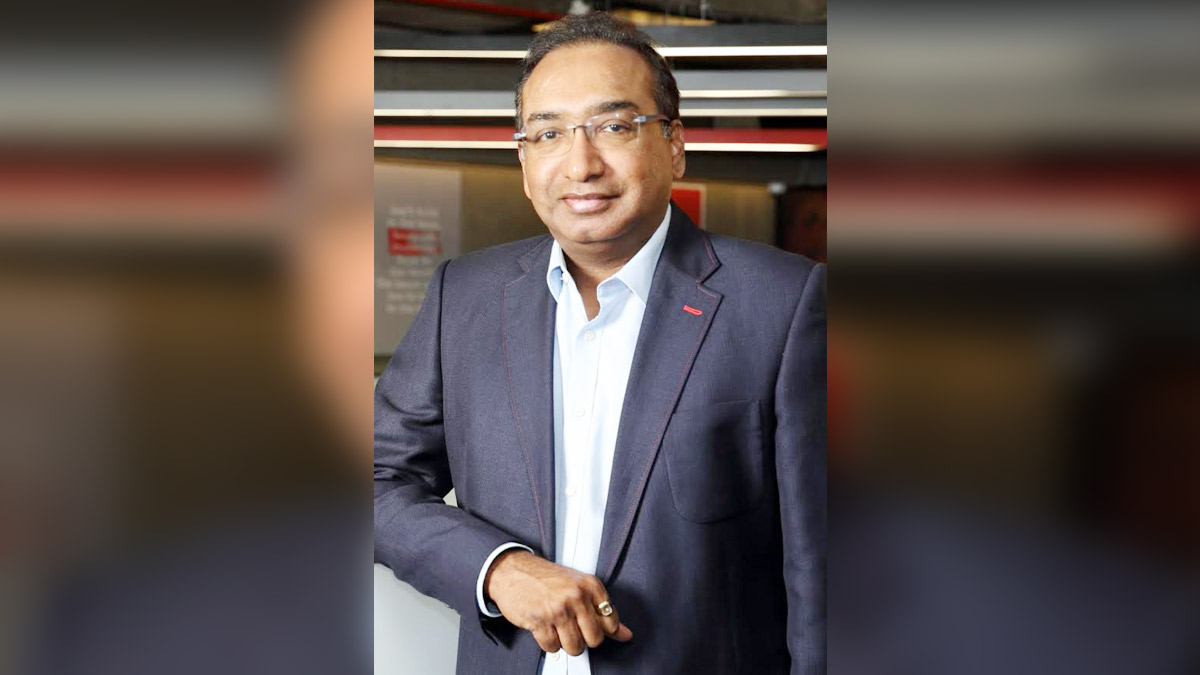
MUMBAI: After a decade of calling the shots, Sameer Nair is taking a bow from Applause Entertainment. The veteran industry leader and CEO of the prominent content studio is stepping down from his role, according to sources familiar with the development. This marks a significant leadership transition at one of India’s key players in the television and digital content space.
Applause Entertainment, part of the Aditya Birla Group, has built a strong reputation under Nair’s leadership for its high-quality adaptations of international formats and a slate of original series across OTT platforms. Nair, who joined the company a decade ago, was instrumental in shaping its growth and positioning it as a notable force in India’s evolving streaming landscape.
Prior to Applause, he held senior roles at major media organisations, including Star India, where he played a pivotal part in the launch of the iconic show Kaun Banega Crorepati in 2000. He also worked with Balaji Telefilms and NDTV Imagine.
It remains unclear who will succeed Nair or what his next professional move will be. Queries sent to Nair did not receive a response, and Applause Entertainment declined to comment on the matter.
His exit comes at a time when the Indian content ecosystem is undergoing rapid changes, with streaming platforms recalibrating investments, focusing on profitability, and adjusting content strategies amid shifting viewer preferences and increasing competition.
Industry insiders suggest the transition could signal a strategic reset for Applause as it navigates the next phase of growth.
In the fast-paced world of Indian entertainment, where hits can fade as quickly as they rise, Sameer Nair has enjoyed a remarkably steady and influential run. As he steps off the stage at Applause, the spotlight now turns to what comes next for both the executive and the studio he helped build.







