Digital
Rodic Digital & Advisory bets on AI with Varun Mundra as technology chief

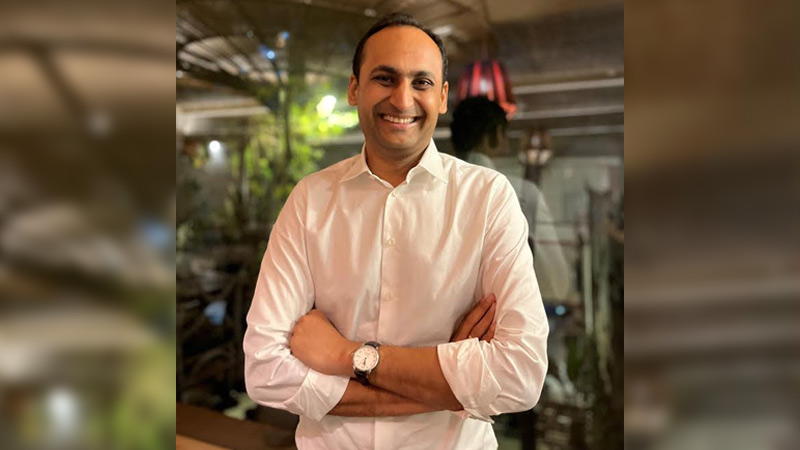
NEW DELHI: Rodic Digital & Advisory is sharpening its technology edge. The strategic advisory and digital transformation arm of the Rodic Group has appointed Varun Mundra as chief executive officer, technology, tasking him with building AI-first products and scaling digital advisory services across infrastructure and public systems.
Based in New Delhi, Mundra will drive the firm’s technology strategy, product roadmap and AI-led solutions portfolio, as Rodic deepens its push into data-driven policymaking, digital infrastructure frameworks and public-sector transformation. His experience working with regulators, health authorities, stock exchanges and government bodies is expected to strengthen the firm’s influence with policymakers and institutions navigating data governance and AI adoption.
Managing director of Rodic Digital & Advisory, Nagendra Nath Sinha, said Mundra joins at an inflection point for the firm. His track record in building AI-first businesses and forging government and enterprise partnerships, he added, will help deliver “intelligent, sustainable and resilient infrastructure solutions at scale”.

Mundra brings more than 13 years of experience across health tech, voice AI, fintech and enterprise SaaS. Most recently, he was managing director and country manager for Vara, a Germany-based medical AI company, where he built the India business from the ground up with full P&L responsibility. Earlier roles include senior leadership positions at Skit and TOPXIGHT Research Labs, spanning AI SaaS ventures in capital markets, cybersecurity and deep tech.
An international MBA graduate from SPJIMR and IESEG, with a BTech in computer science from Nirma University, Mundra specialises in go-to-market strategy, government business and product-led growth.
As India’s infrastructure ambitions collide with the rise of AI, Rodic is placing a clear wager: smarter systems, faster decisions—and technology at the heart of it all.



Digital
OpenAI’s Stargate lead Peter Hoeschele exits with two senior leaders
Trio behind compute push set to join new startup amid leadership reshuffle
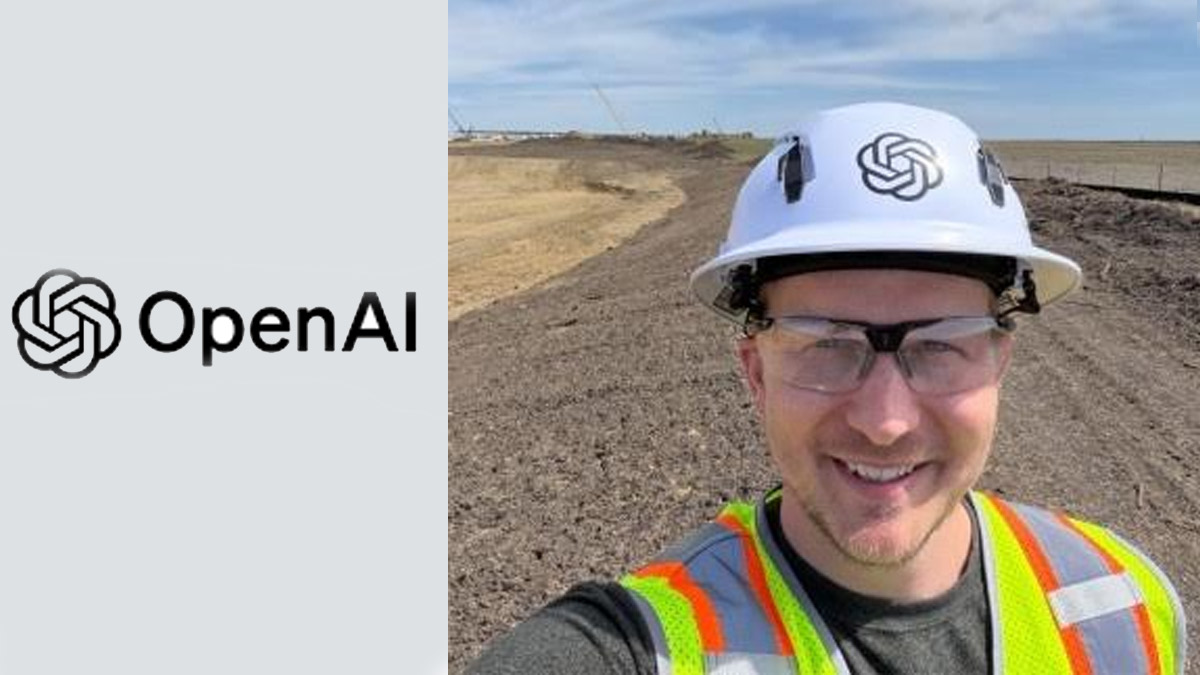
SAN FRANCISCO: Peter Hoeschele, a key figure behind OpenAI’s early Stargate data centre initiative, has exited the company, according to a report by The Information.
The departure is part of a broader leadership shift, with two other senior executives, Shamez Hemani and Anuj Saharan, also set to leave in the coming days. All three are expected to join the same new startup, although details about the venture remain under wraps.
The trio played a central role in OpenAI’s Stargate effort, an initiative aimed at building large-scale data centre capacity in-house to reduce reliance on external infrastructure providers. Their exits mark a notable moment for the company’s compute strategy as it continues to scale rapidly.
OpenAI spokesperson said in a statement to The Information, “We’re grateful for the contributions Peter, Shamez, and Anuj have made to OpenAI and wish them the very best in what comes next.” The company also pointed to the recent appointment of Sachin Katti to lead its industrial compute organisation, signalling continuity in its infrastructure roadmap.
OpenAI has indicated that it does not plan to directly replace Hoeschele’s role, suggesting a possible restructuring of responsibilities within the team.
As competition intensifies in the race to build next-generation AI systems, leadership changes in core infrastructure teams are likely to draw close attention. For now, the spotlight shifts to what this departing trio builds next, and how OpenAI adapts as it scales its ambitions.






