MAM
RK Swamy BBDO creates ‘RuPay’ for National Payments Corporation

MUMBAI: The National Payments Corporation of India (NPCI), charged with the mandate to create a new Indian payment system, has chosen R K Swamy BBDO to develop the new name and logo – RuPay.
The mandate was awarded to the agency, a part of R K Swamy Hansa, a marketing communications and services group, following a multi-agency pitch.
 RuPay is derived from the words rupee and payment to suggest an Indian, inclusive and affordable alternative to global payment systems like Visa and MasterCard.
R K Swamy BBDO senior partner S Narasimhan said, “We are privileged to be associated with an initiative of such national importance. RuPay will go a long way in changing the way India pays.”
The logo uses the nation‘s colours in a dynamic form to connote an India on the move and the brand’s commitment to deliver an affordable and easily accessible payment service.
Inspired by the Indian ‘Rupaya’, RuPay seeks to be the new currency to what India is today — an emerging global economic powerhouse. It‘s an attempt to help bring the multiple benefits of electronic payments to the masses.





Brands
Kaspersky and KidZania want Indian children to fight hackers before they hit their teens
Kaspersky and KidZania open a cyber investigation centre in Mumbai to teach children how to outsmart hackers
MUMBAI: India’s children are growing up online faster than anyone can protect them. Kaspersky, the global cybersecurity firm, is betting that the best way to fix that is to make six-year-olds feel like detectives.
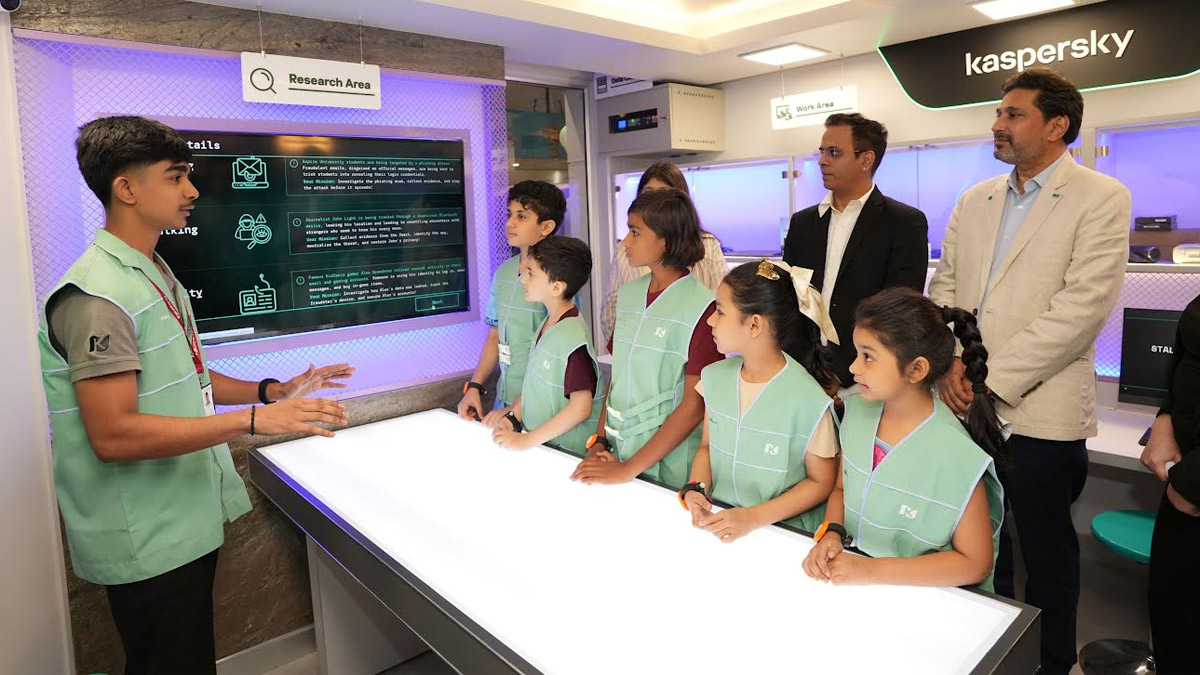
The company has opened a Cyber Investigation Centre inside KidZania Mumbai at R City Mall, Ghatkopar, in what it is calling a first-of-its-kind cybersecurity role-play experience for children. Kids suit up in Kaspersky uniforms, sit down at dedicated workstations loaded with security software, and spend 20 minutes cracking simulated cases of phishing, identity theft and cyberbullying. Up to six children can play investigator at a time. Those who crack the case walk away with a personalised Kaspersky Cyber Investigator card — and a healthy suspicion of dodgy links.
The timing is not accidental. In India, 82.2 per cent of children have access to a mobile device by the age of 14. They use it to stream, game, chat and study. Most of them have never heard the word “phishing.”
“The earlier we equip children with the awareness and skills to navigate the digital world safely, the stronger our collective digital future becomes,” said Jaydeep Singh, general manager for India at Kaspersky. Tarandeep Singh Sekhon, chief business officer of KidZania India, put it more plainly: “Every parent today is thinking about how to prepare their child for a digital-first future.”
The partnership comes with commercial sweeteners. Visitors buying KidZania tickets get a complimentary two-month Kaspersky trial subscription. Annual pass holders get a full year’s subscription thrown in. Discount vouchers go out at the exit gates.
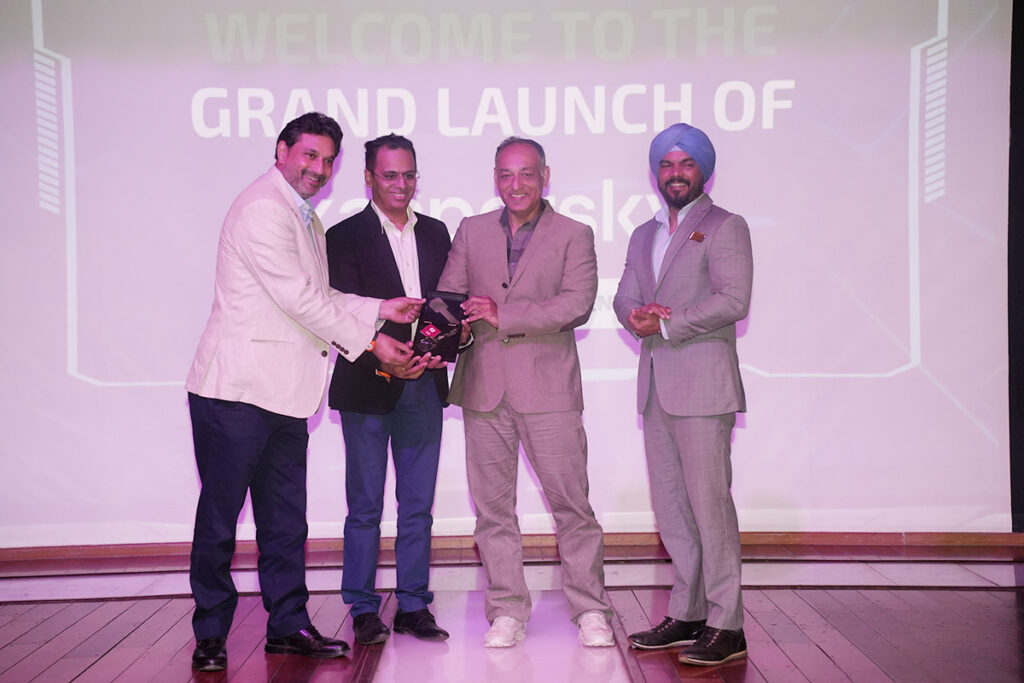
The launch ceremony leaned into KidZania’s theatrical DNA — a diya lighting, a dance performance, a key handover, a parade through the miniature city, and a ribbon-cutting at the new centre.
Cybercriminals, it turns out, do not discriminate by age. Kaspersky and KidZania are hoping that neither will the next generation of people trying to stop them.







