MAM
Riya Group partners with Air India Express


Mumbai: Riya Group has announced a strategic alliance with Air India Express, a subsidiary of Air India. This enterprising collaboration integrates Riya’s comprehensive visa services on the airline’s website, enabling customers to promptly access and apply for visas to any destination worldwide.
Riya Group’s established vertical Riya Visa Services aims to ease the pre-travel booking journey for customers with its extensive suite of services. This includes worldwide visa applications, processing of all visa types, checklist updates, status checks and much more.
Integrating a one-stop approach, this progressive step is conceived to ease the visa application process and enhance a traveller’s holistic booking journey on the Air India Express website. Passengers no longer need to navigate multiple websites to expedite their visa application process. This customer-centric outlook will enable users to browse flights and apply for their visas all in one place.

Speaking on this lucrative partnership, Riya Group vice chairman Nitin John said “Visa has been one of our most promising and fast-growing verticals. Even before Riya Group pioneered holistic solutions for travel partners, we offered extensive visa services to appease the growing demands in the 80s. Today, through this alliance with the esteemed Air India Express, we are excited to expand our reach and enhance traveller’s experience even before their trip begins. This strategic collaboration aims to curb the prevailing challenges a passenger undergoes in planning their journey. Hence, this integration of comprehensive visa services directly on the airline’s website is our progressive step towards easing a traveller’s visa processing experience.”
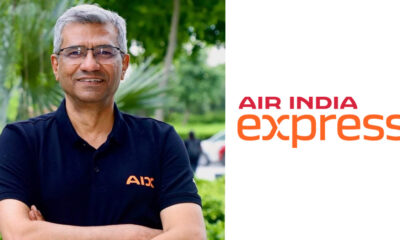
In addition, Air India Express chief commercial officer Ankur Garg states “At Air India Express, we are unwavering in our dedication to optimising the travel experience for our valued guests. The introduction of our new Visa Services effectively eliminates the longstanding challenges associated with the often-arduous visa application process. By leveraging this innovative platform, travellers can now navigate a streamlined and efficient system, minimising wait times and eliminating the need for physically visiting visa application centres.”






MAM
Ameya Velankar steps down as Uber’s head of marketing for India & South Asia
Veteran marketer exits after more than seven years with the ride-hailing giant.
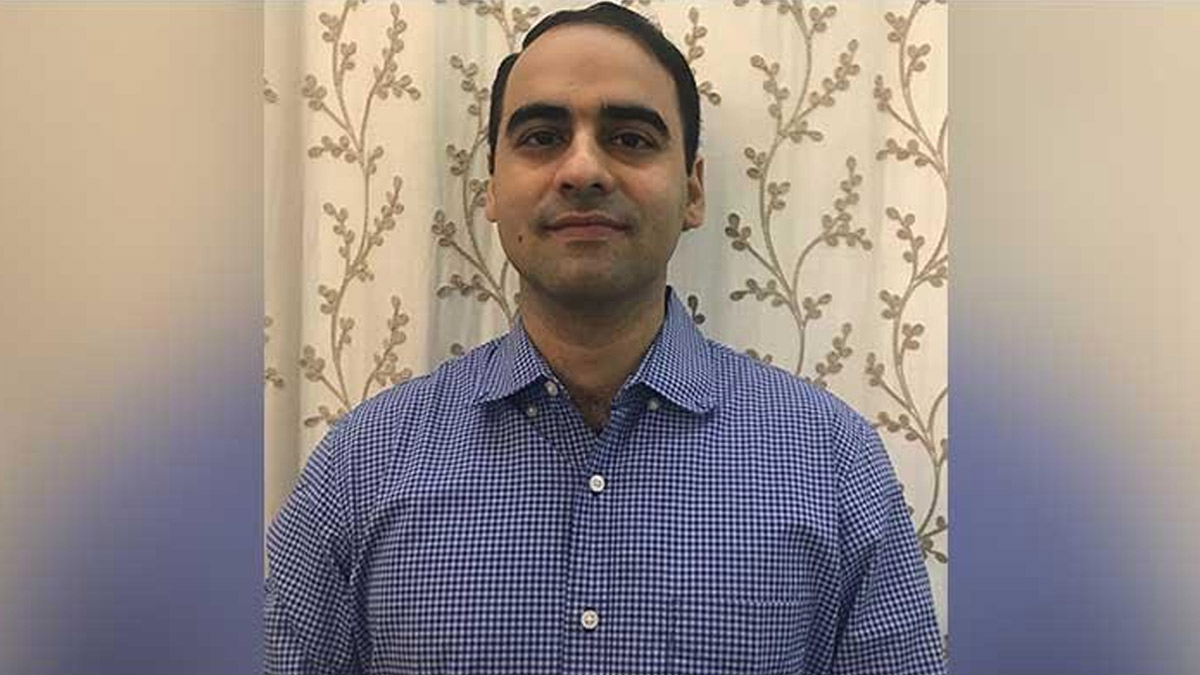
MUMBAI: After more than seven years of steering Uber through the bumpy roads of India’s mobility market, Ameya Velankar has decided to change lanes. Ameya Velankar has stepped down as Head of Marketing for India and South Asia, marking the end of a significant chapter at the ride-hailing company. He had been with Uber since 2019, taking on multiple roles in product and category marketing before rising to lead the marketing function for the region in 2021.
During his tenure, Velankar played a key role in strengthening Uber’s positioning in one of its most competitive and dynamic markets. He helped drive localised marketing strategies and scale adoption across key offerings such as Auto, Moto, Rentals and Intercity, tailoring global platforms to Indian consumer needs.
Prior to joining Uber, Velankar built his marketing expertise at leading consumer companies including SC Johnson and Marico, where he handled category and product leadership roles. His career began at RPG Enterprises.
Details of his next professional move have not been disclosed.
In a fast-evolving mobility landscape where brands constantly battle for attention, Ameya Velankar helped Uber stay relevant and resonant with millions of Indian users. As he moves on from the driver’s seat of marketing, the company will now look for fresh ideas to keep its wheels turning smoothly.






