MAM
Rickshaw’s design unit nets Future Consumer, Cambay Tiger & BarBar

MUMBAI: Mumbai-based creative and communication agency Rickshaw has announced the launch of its design unit so as to cater to client needs and communication requirements.
This next-generation design cell will accelerate Rickshaw’s ability to deliver transformational design capabilities to its clients.
Rickshaw founder Suhas Parab says “A good design answers a question, raises questions, simplifies life, goes behind the simple, prods us to dig deeper. Also, a good design is accessible; it illuminates the brand and taps into the zeitgeist. A good design also tickles the five senses and trickles into the subconscious. It is not easy, but if done well, looks easy. These beliefs drive the Rickshaw Design Cell.”

In keeping with Rickshaw’s ethos, the unit has already bagged five clients including Future Consumer, Cambay Tiger and Belona Hospitality’s BarBar, contributing to the chunk of the business.
The design unit will function as solutions provider to complex communication challenges that require delving beyond conventional media. As a part of its offering, the unit will undertake a wide array of services pertaining to spaces, identity, logo, packaging and visual merchandising. It will focus on client’s business objectives and operate in an absolute goal oriented approach.
Rickshaw partner Mahua Hazarika stated, “I read a long time ago that people ignore design that ignores them. India has had a powerful design culture. Unfortunately, design thinking is not part and parcel of our current collective conscious. Having spent time on both sides of the table, I believe design thinking needs to be cultivated right from product formulation to delivery; it should not be confined to packaging or a VM alone.”




MAM
Kate Rouch steps down as OpenAI Chief Marketing Officer
Marketing leader prioritises health after late-stage breast cancer diagnosis.
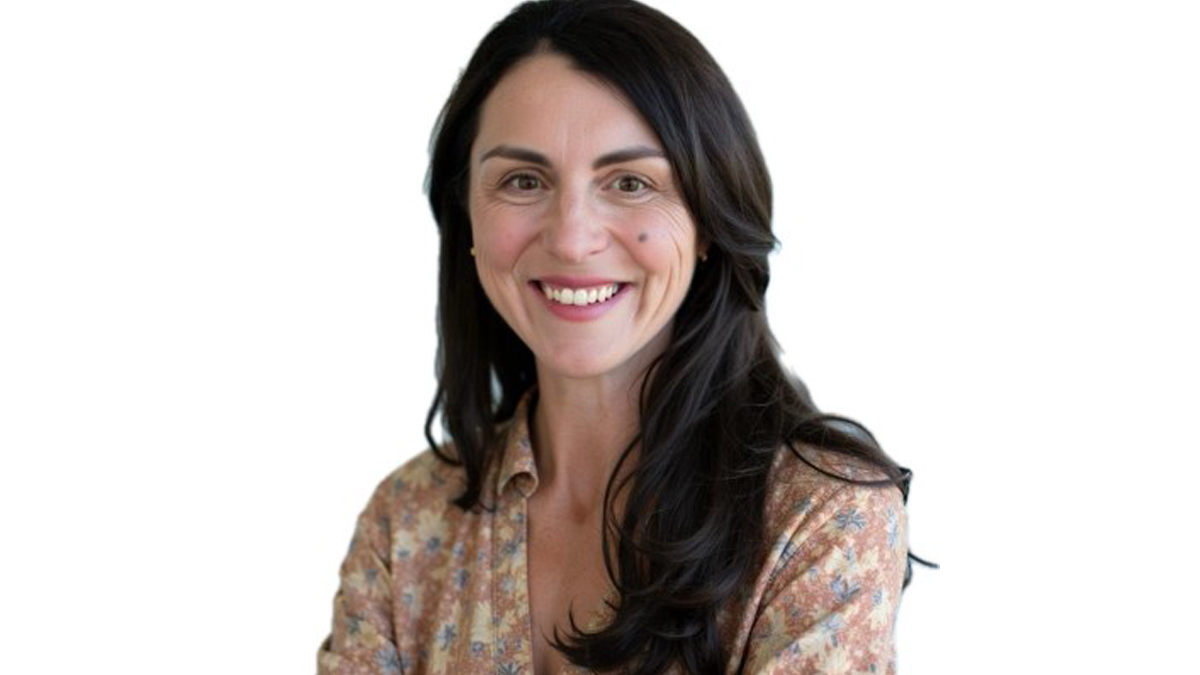
MUMBAI: When the toughest battle moves from the boardroom to the personal front, even the sharpest minds know it’s time to step back and focus on winning the most important fight of all. Kate Rouch, chief marketing officer at OpenAI, has announced she is stepping down from her role to focus on recovery following a diagnosis of late-stage breast cancer.
In a heartfelt LinkedIn post, Rouch revealed she was diagnosed around a year and a half ago, shortly after taking on the CMO position. Despite undergoing intensive treatment, she continued to lead the company’s marketing function through what she described as one of the most challenging periods of her career.
She explained that while she remained deeply committed to her role and team, she had reached a point where prioritising her health and recovery had become essential. Rouch called the decision difficult, noting it required acknowledging personal limits and shifting priorities. She reflected that the experience had reshaped her understanding of courage not always about pushing harder, but sometimes about stepping back to focus on long-term wellbeing, family and sustainability.
Rouch expressed gratitude to her team and colleagues for their support. She mentioned that Gary will step in to help lead the function and recruit a successor. She plans to support the transition and remains open to returning in a different capacity in the future, depending on her health.
Prior to joining OpenAI, Rouch served as the first chief marketing officer at Coinbase and spent over a decade at Meta, where she was vice president and global head of brand and product marketing.
She also thanked well-wishers for their messages and shared that stories from fellow survivors had a meaningful impact during her treatment journey.
In the high-stakes world of tech marketing, Kate Rouch has always been known for her strategic brilliance. Now, she is showing a different kind of strength, one that reminds us that even the most driven leaders sometimes need to pause, heal, and come back stronger when the time is right. Wishing her a full and steady recovery.






