MAM
Reva to develop hydrogen fuel cell car; ad budget to grow

BANGALORE: Bangalore based Reva Electric Car Company Pvt. Ltd. (RECC) and Indian Oil Corporation (IOC) have signed a statement of intent to develop two fuel cell hydrogen vehicles for a pilot project.
The first one will roll out in the next six months and the second a year later. The pilot project has been initiated by IOC to develop a hydrogen fuel economy in India as an alternative to hydrocarbon fuels such as petrol and diesel.
“IOC is committed to providing majority of the funding for the project an will create a the hydrogen infrastructure first at its R&D Center in Faridabad followed Delhi and Agra”, said IOC R&D director BM Bansal. “For successful commercialization of this technology, there needs to be low cost platform for fuel cell vehicles and infrastructure issues to be worked out,” added Bansal, who happens to be the signatory from IOC’s end.
“Fuel cell systems offer a promising technology of the future with advantages that include zero-emissions, high efficiencies and minimal noise,” said RECC chairman Sudrashan Maini. RECC already has a prototype electric car with hydrogen fuel cell, which has been unveiled by President Kalam in 2004.
RECC is increasing its ad budgets also significantly. “We plan to increase ad budgets to Rs. 400 million this year, this will be much higher than the Rs. 400 million we’ve spent over the last four years since the launch of the Reva,” said RECC deputy chairman and CTO Chetan Kumar Maini. “Rediffusion handles our account,” he informed.
RECC has over 1000 Reva cars running globally, including 200 in the UK.



MAM
Beacon Group appoints Dr Rajesh Patel as Group CEO
36-year healthcare veteran to lead Beacon Diagnostics, Vector Biotek, Biogeny.
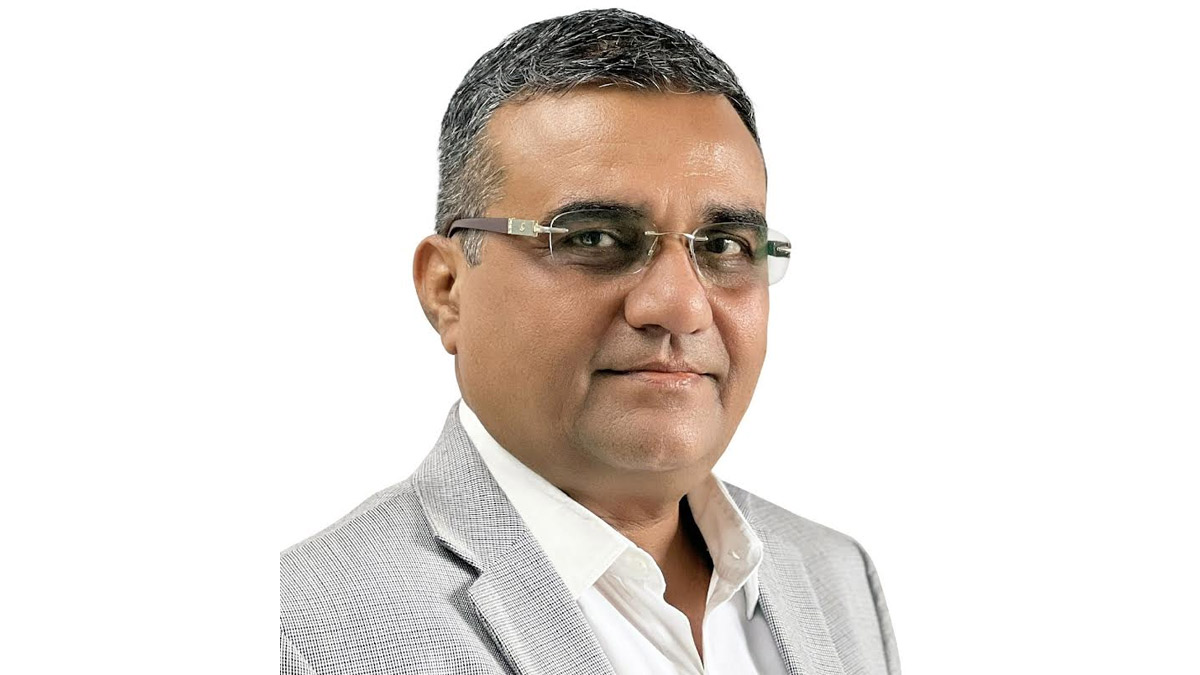
MUMBAI: A new chief, a fresh diagnosis and a sharper prescription for growth. Beacon Group has appointed Dr Rajesh Patel as its Group Chief Executive Officer, effective April 1, 2026, signalling a decisive push to scale its presence in the diagnostics and IVD space. Patel steps into the role with 36 years of experience across the healthcare and diagnostics industry, bringing a career shaped by leadership roles spanning sales, marketing, business development and operational strategy. His mandate is both expansive and precise: to steer the group’s overall strategic direction while tightening coordination across its three core entities Beacon Diagnostics, Vector Biotek and Biogeny Diagnostics.
In practical terms, that means driving cross-company synergies, accelerating market expansion and strengthening organisational capability areas increasingly critical as diagnostic players compete for scale in a fragmented yet rapidly evolving healthcare ecosystem. The group is positioning itself to capture unmet demand across chain laboratories, key accounts and standalone labs, segments that remain underserved despite growing diagnostic needs.
The appointment comes at a time when the In Vitro Diagnostics (IVD) sector in India is entering a more competitive and innovation-led phase, with companies focusing not just on product pipelines but also on service delivery, integration and customer-centric models. Beacon’s leadership appears to be betting that Patel’s execution-focused approach can help translate ambition into operational momentum.
Welcoming the appointment, Chairman Dr D K Joshi described Patel’s induction as a strategic move aligned with the group’s long-term vision, emphasising the role of leadership depth in navigating the next phase of growth.
For Beacon Group, the message is clear, in a sector where precision matters, leadership is the new differentiator—and this appointment is intended to set the tone for what comes next.






