MAM
Return-to-Invoice, Engine Protect, RSA: The Add-on Stack Smart Drivers Use for Peace of Mind


Car ownership brings independence, comfort, and, quite often, a sense of pride. Yet, behind the wheel lies a world full of unpredictability. One unexpected flood, a minor accident, or even a random breakdown can turn that pride into stress.
In recent years, many Indian motorists have begun exploring car insurance online to look beyond basic cover, finding smarter ways to protect both their cars and wallets.
This article highlights advanced car insurance features that enhance protection, reduce risks, and ensure a safer, worry-free driving experience.

Return to Invoice Add-on
A return to invoice add-on works like a safety net when misfortune strikes. If a car is stolen or declared a total loss, the insurer usually pays only the depreciated market value. This add-on changes that.
It bridges the difference between the insured declared value and the actual invoice price you paid, often including taxes and registration costs. Many owners of new cars find this addition worthwhile because depreciation bites hardest during the first few years of ownership.
Engine Protect
The engine protect cover focuses on a part that’s both vital and expensive. Indian cities often see heavy rain and waterlogging; when water seeps into the engine, repairs can run into thousands. A standard policy won’t always help, but this add-on covers such damage.
Anyone browsing car insurance online soon realises that this feature is particularly handy for urban and coastal drivers who deal with unpredictable weather or poor drainage conditions.
Roadside Assistance Cover (RSA)
A roadside assistance cover is that quiet assurance every driver appreciates. Picture being stuck on a highway late at night with a punctured tyre or a dead battery-help arriving through a quick call makes all the difference.
This cover offers towing, jump-starts, or even basic repairs where you are. For families, solo drivers, or anyone clocking long distances, RSA is less of an extra and more of a necessity.
Why Smart Drivers Choose these Add-ons
Each add-on answers a specific need, and together they provide holistic protection.
● Return to invoice add-on protects against the financial pinch of depreciation.
● Engine protect saves you from hefty repair bills for mechanical or water damage.
● Roadside assistance cover keeps your journeys from turning into roadside waits.
These layers of cover don’t just add convenience; they provide peace of mind when circumstances turn unpredictable.
The Role of Comprehensive and Third-Party Insurance
Every vehicle owner in India must hold third-party insurance, a legal necessity that covers damages to others. But third party insurance doesn’t cover your own vehicle’s damage or loss.
That’s why most drivers prefer a comprehensive policy. It includes third-party liability and opens the door to valuable add-ons like engine protect and return to invoice add-on.
When you explore car insurance online, comparing these policy types helps you see how the right combination can give broader and more practical protection.
Balancing Cost With Value
There’s always a question: are add-ons worth the extra premium? Usually, yes, if you choose wisely. Small increases in cost can prevent large expenses later.
Another good move is fitting certified anti-theft devices, which can qualify your car for an anti-theft discount car insurance benefit. This not only improves security but slightly reduces premiums, too.
Buying car insurance online allows you to compare quotes easily, see what’s included, and choose a plan that offers value instead of just the lowest price tag.
Key Factors Before Selecting Add-ons
When selecting additional covers, a few aspects deserve attention:
● Vehicle’s Age: The return to invoice suits newer cars best.
● Driving Conditions: In flood-prone or traffic-heavy regions, engine protection can be vital.
● Usage Habits: Long-distance or late-night drivers often rely on roadside assistance coverage.
● Insurer’s Reach: A strong service network ensures quick help when you need it most.
A thoughtful mix of these considerations helps shape a plan that’s realistic and relevant to how you drive every day.
Anti-Theft and Preventive Measures
Car theft is still a worry in many cities. Taking precautions not only improves security but can bring financial benefits too. Installing approved anti-theft systems may earn an anti-theft discount car insurance.
It’s a simple step that enhances safety and saves money, proving that prevention and smart planning can go hand in hand.
The Convenience of Car Insurance
One major advantage today is accessibility. With digital platforms, comparing car insurance online is quick, transparent, and free from middlemen.
Drivers can check the cost of add-ons like engine protect, roadside assistance cover, or return to invoice add-on and understand how each fits their daily routine. It’s this clarity that helps people build protection based on genuine needs rather than assumptions.
Conclusion
A car might represent comfort and freedom, but it’s also a valuable asset that deserves solid protection. Add-ons such as the return to invoice, engine protect, and roadside assistance cover make that protection stronger and more meaningful.
Whether your policy includes just third-party insurance or full comprehensive cover, comparing car insurance online helps find the mix that offers reliability and calm in equal measure.
At the end of the day, peace of mind is priceless-and for most drivers, these smart add-ons are the surest route to getting it.



You have spent weeks researching, test driven a few options, finalised the colour and variant, and are now days away from taking delivery of your new car. It feels like the hard part is over. But there is one step that most buyers skip entirely, and it is the one that protects everything else. Understanding what PDI meaning covers and why it matters could save you from discovering a Rs 20,000 to Rs 80,000 problem after you have already signed the papers.
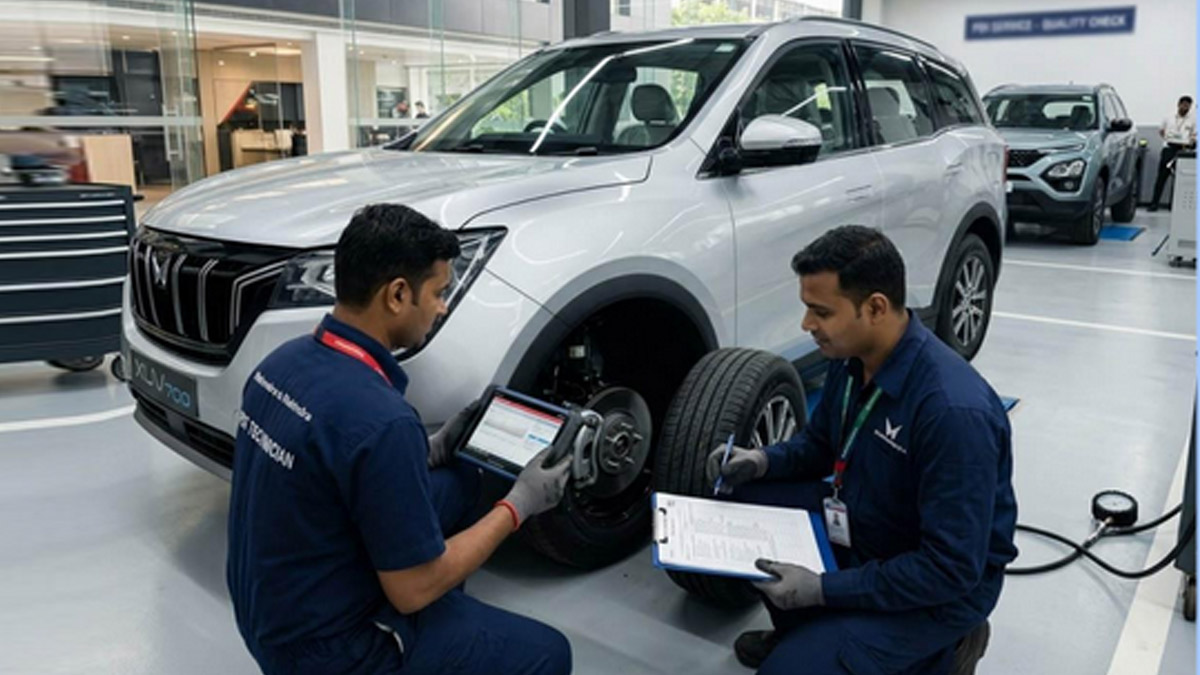
PDI stands for Pre-Delivery Inspection. It is a structured check that happens before your car is handed over to you. A proper PDI car service covers everything from paint quality and panel alignment to electrical systems, fluid levels and tyre pressure. Dealers are supposed to conduct this before delivery, but the depth of the check varies widely. And if the buyer does not know what to look for, problems slip through.
What Does a PDI Actually Cover?
A thorough PDI checks the car across four broad categories:
| Category | What Gets Checked | Common Issues Found |
| Exterior | Paint quality, panel gaps, glass, lights, tyres | Paint chips, uneven panel alignment, scratched glass |
| Interior | Seat upholstery, dashboard, AC, infotainment, switches | Loose trims, non-functional buttons, squeaks and rattles |
| Mechanical | Engine bay, fluids, battery, brakes, steering | Low fluid levels, minor leaks, battery not fully charged |
| Electrical | All lights, windows, central locking, sensors | Malfunctioning sensors, flickering displays, USB ports |
Each of these categories can hide issues that are minor at delivery but expensive if left unaddressed. A small paint chip near a door edge, for example, can lead to rust in a humid city like Mumbai or Chennai within 12 to 18 months.
What It Can Cost You to Skip the PDI
Here is a realistic look at what buyers have discovered after delivery that a proper PDI would have caught before:
• Paint defects requiring respraying: Rs 8,000 to Rs 25,000 depending on the panel
• Misaligned panels or doors that need workshop adjustment: Rs 3,000 to Rs 8,000
• Non-functional infotainment unit needing replacement: Rs 15,000 to Rs 40,000
• Scratched windshield that needs full replacement: Rs 6,000 to Rs 18,000
• AC not cooling properly due to low refrigerant: Rs 2,000 to Rs 5,000
• Tyre with a slow puncture from storage damage: Rs 3,000 to Rs 6,000
The total exposure from a single missed PDI can range from Rs 5,000 for minor issues to Rs 80,000 or more if multiple problems are found post-delivery. More importantly, proving that a defect existed before delivery becomes significantly harder once you have taken the keys.
Why Dealer PDIs Are Not Always Enough
Most dealerships do conduct a pre-delivery check on their own, but the process is not always as rigorous as it should be. There are a few reasons for this:
High Delivery Volumes
During festive season or at the end of a financial year, dealerships handle a surge in deliveries. When a service team is processing 15 to 20 cars a day, the depth of each check inevitably suffers.
Incentive Misalignment
Dealership staff are often incentivised on delivery speed and customer satisfaction scores. Finding a defect and sending a car back for rework delays delivery and affects scores. The incentive to look harder is not always present.
Buyer Unawareness
Most buyers arrive at delivery excited and in a hurry to leave. Without knowing what to look for, they miss things that a trained eye would catch immediately. Dealers know this, and the pressure to be thorough is lower when buyers are not asking questions.
What You Should Check Yourself at Delivery
Even if the dealer has completed their PDI, spend 20 to 30 minutes doing your own check at delivery. Here is a quick reference:
Check How to Do It Time Required Walk around in daylight Check all panels for scratches, chips and dents 5 minutes Open every door Check seals, check for rattles, test all windows 3 minutes Check interior thoroughly Test every button, switch and screen 5 minutes Start the car Look for warning lights, check AC, check all lights 5 minutes Check the boot Look for spare tyre, tools, jack and damage 2 minutes Inspect tyres Check pressure and look for sidewall damage 3 minutes
The Bottom Line
A PDI is not a formality. It is the last line of defence between you and a problem that the manufacturer or dealer should have fixed before you paid for the car.
Take the time to understand what the check involves, ask your dealer for confirmation that it has been completed, and do your own walkthrough at delivery. Twenty minutes of attention at this stage can save you weeks of workshop visits and tens of thousands of rupees down the line.