MAM
Retail industry implores govt for respite from COVID-19 impact on biz


NEW DELHI: Various state governments have ordered complete shut-down of shopping centres, malls, multiplexes/cinema halls etc. until 31 March 2020, in major metros like Mumbai, Pune, Bengaluru, Chennai, Gurugram and others following suit to arrest the spread of coronavirus.
Welcoming the move, Shopping Centres Association of India (SCAI) founder-chairman Amitabh Taneja says that shoppers are obviously extremely cautious so is the shopping centre industry. “The fact that fears itself is contagious becomes a very tricky situation for all. The utmost priority is the safety of people,” he says.
About the measures undertaken by the industry, he says, "Today most of our malls are equipped to handle emergency situations and go through end number of audits and checks. Our members are personally making rounds of operational malls driving special sanitisation and cleanliness programs and ensure that we set benchmarks and assure all stakeholders of our commitment to fight the challenge in hand. We hope that the situation stabilises and normalcy is restored at the soonest."

Talking about the uncertainty about the extent of the closure, Taneja says that there is a possibility of further extension, as the exact time frame for controlling this pandemic can’t be defined. Nearly around 700 to a 1000 malls across India may be asked to close down till further notice.
“The impact of the shut-down of the shopping centres across various cities has been beyond comprehension,” says a mall official. “Monetary losses would, of course, be huge. Sales are already down anywhere between 25 to 50 per cent for retailers. Fashion is seasonal so spring merchandise will suffer badly. Cinema, entertainment and restaurant businesses are already bleeding. Rumours, lack of clarity and awareness and fear of uncertainties add to the shoppers' confusion,” he adds.
The cash flow is the biggest challenge for malls as the only source of income of these centres, feel industry experts. The rental income has come down to zero since the closure of malls. With expenses remaining constant, their debt serving and interest payment obligations remain. Unlike all other businesses, they do not have any goods or merchandise to sell or reduce inventory holding or other such measures, which other industries can take. Their collections have completely dried up during this period, while they continue to bear a high fixed cost towards personnel, utilities and ongoing routine expenses.
Commenting on the operational centres, Nexus malls CEO Dalip Sehgal says, “Pursuant to the enforcement of stringent measures, which is the need of the hour, shopping centers and housing occupants from industries like hospitality, retail, tourism etc. are worst affected due to lock-down. Scarce footfalls are resulting in lower sales but overheads have increased for deploying specially trained personnel, extensive sanitisation, increased customer frisking etc. This has resulted in a huge pressure on the viability of shopping centres due to delay in collection of license fees /rents from the retailers/ outlets. To add to the woes, the current situation has also adversely impacted the employment and the livelihood of the employees (direct and indirect – approximately 3500 to 5000 at each establishment/mall) at every level."
Thus, overall working capital cycle has been adversely impacted and hence, in order to sustain the mall business and the employment of the individuals as stated above during these unprecedented and testing times, the Shopping Centres of India (SCAI) on behalf of its members and also non-member malls has already made representation regarding the finance, regulatory and other major issues faced to the prime minister, finance minister and the governor and executive director of RBI.
The association has also sought appointments for personal meetings with concerned authorities to discuss following measures to help shopping centres sail through this challenging phase:
• Allow a moratorium period during continuation of pandemic, in repayment of bank loans, interest, EMI, etc. without levy of any penalties including penal interest. Further, one-time loan restructuring with lower rates of interest may be permitted for shopping centres.
• Provide short-term financing option for a period of 6 to 12 months, at lower interest rates to meet the increased working capital requirements.
• Grant GST rebates to offset the losses on account of and for the period of closure of business and/or in the alternative permit flexibility in deposit of Goods and Services Tax (GST) since GST needs to be deposited immediately upon raising of invoice, however, corresponding payments are likely to be delayed, resulting in an additional cash flow burden on shopping centres.
• Provide relief so that credit rating of shopping centres is not adversely affected due to delays in repayment of bank loans, interest, EMI, etc.
• Issue appropriate directions to the Insurance Regulatory and Development Authority (IRDA) to include insurance against loss of profits on account of epidemic – which is not currently included in the policies.
• Any other relief which may be deemed fit in the present scenario.
“The implementation of these measures can immensely help the shopping centres and industries referred hereinabove, which are already stressed due to the prevailing financial conditions, in mitigating the effects of this unforeseen and presently untreatable pandemic. Once the country is free from the virus malls that have emerged as the most vibrant social spaces for Indians to celebrate their leisure time will play a critical role to bring back life and uplift sentiments of the masses. Hence, it is all the more important to ensure that necessary support is provided to the shopping centre industry to cope up with the challenge and be ready to welcome visitors once the restrictions are lifted,” concludes Taneja.







MAM
Beacon Group appoints Dr Rajesh Patel as Group CEO
36-year healthcare veteran to lead Beacon Diagnostics, Vector Biotek, Biogeny.
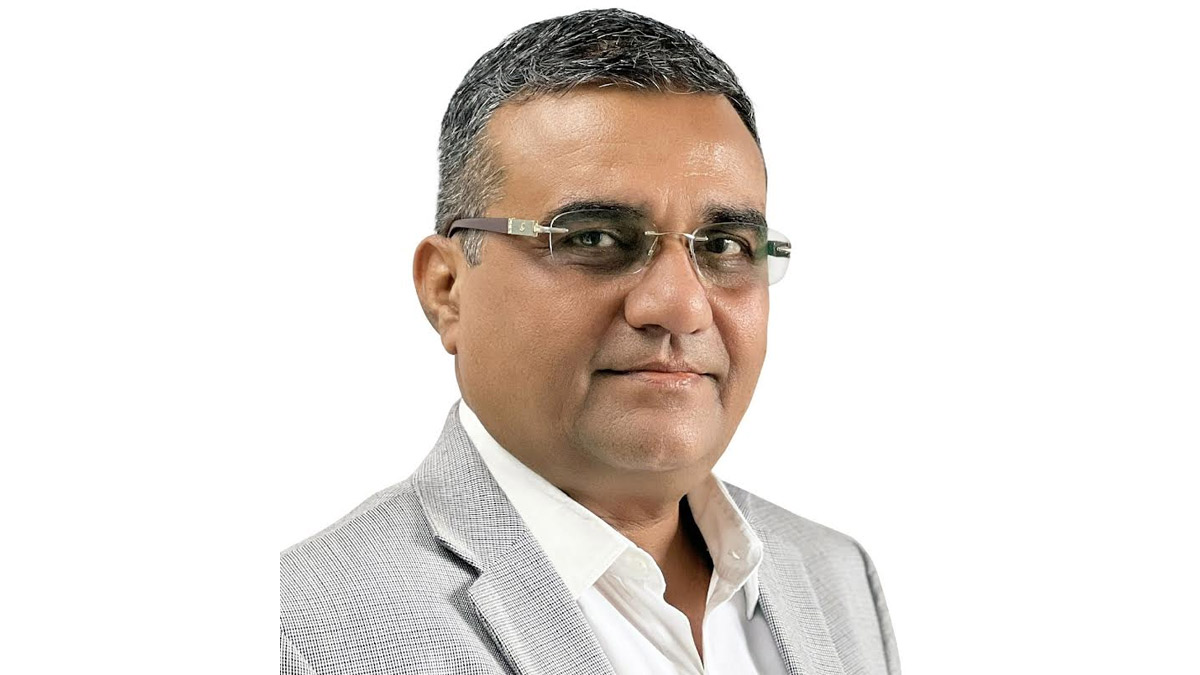
MUMBAI: A new chief, a fresh diagnosis and a sharper prescription for growth. Beacon Group has appointed Dr Rajesh Patel as its Group Chief Executive Officer, effective April 1, 2026, signalling a decisive push to scale its presence in the diagnostics and IVD space. Patel steps into the role with 36 years of experience across the healthcare and diagnostics industry, bringing a career shaped by leadership roles spanning sales, marketing, business development and operational strategy. His mandate is both expansive and precise: to steer the group’s overall strategic direction while tightening coordination across its three core entities Beacon Diagnostics, Vector Biotek and Biogeny Diagnostics.
In practical terms, that means driving cross-company synergies, accelerating market expansion and strengthening organisational capability areas increasingly critical as diagnostic players compete for scale in a fragmented yet rapidly evolving healthcare ecosystem. The group is positioning itself to capture unmet demand across chain laboratories, key accounts and standalone labs, segments that remain underserved despite growing diagnostic needs.
The appointment comes at a time when the In Vitro Diagnostics (IVD) sector in India is entering a more competitive and innovation-led phase, with companies focusing not just on product pipelines but also on service delivery, integration and customer-centric models. Beacon’s leadership appears to be betting that Patel’s execution-focused approach can help translate ambition into operational momentum.
Welcoming the appointment, Chairman Dr D K Joshi described Patel’s induction as a strategic move aligned with the group’s long-term vision, emphasising the role of leadership depth in navigating the next phase of growth.
For Beacon Group, the message is clear, in a sector where precision matters, leadership is the new differentiator—and this appointment is intended to set the tone for what comes next.






