Brands
Reliance Retail snaps up Kelvinator in bold consumer durables play


MUMBAI: Reliance Retail has bagged Kelvinator in a deal that signals its aggressive push into India’s Rs 75,000 crore consumer durables market. The acquisition brings the century-old global refrigeration pioneer under the wing of one of India’s most voracious retailers.
The details of the acquisition were not revealed at the time of writing, but Reliance Retail, had earlier signed a 10-year deal with Electrolux for brand licensing, manufacturing, marketing, and distributing the Kelvinator brand. The latter’s consumer cooling products have been absent from the Indian market for while now
.
Kelvinator, a household name in the ’70s and ’80s, was once the epitome of Indian middle-class aspiration with its catchphrase, “The Coolest One.” Reliance now plans to reboot the brand’s nostalgia with cutting-edge appliances, promising mass access to global-quality tech at local prices.
“Our mission has always been to serve the diverse needs of every Indian by making technology accessible, meaningful, and future-ready,” stated Reliance Retail Ventures executive director Isha M Ambani.”The acquisition of Kelvinator marks a pivotal moment, enabling us to significantly broaden our offering of trusted global innovations to Indian consumers. This is powerfully supported by our unmatched scale, comprehensive service capabilities, and market-leading distribution network.”

The move aligns neatly with RRVL’s ambition of “democratising aspirational living.” With 19,000+ stores and 3 million merchants in its ecosystem, the company is now eyeing deep penetration of premium appliances into Indian homes.
Reliance Retail reported Rs 3.3 lakh crore in turnover and Rs 25,053 crore in EBITDA in FY25, maintaining its perch among the world’s fastest-growing retailers, according to Deloitte.
With Kelvinator’s legacy and Reliance’s distribution muscle, the group is betting big on middle India’s thirst for quality, affordability—and a bit of old-school cool.







Brands
Emami names Dhruv Aggarwal as chief growth officer
Former Bain partner steps in as FMCG firm sharpens growth playbook
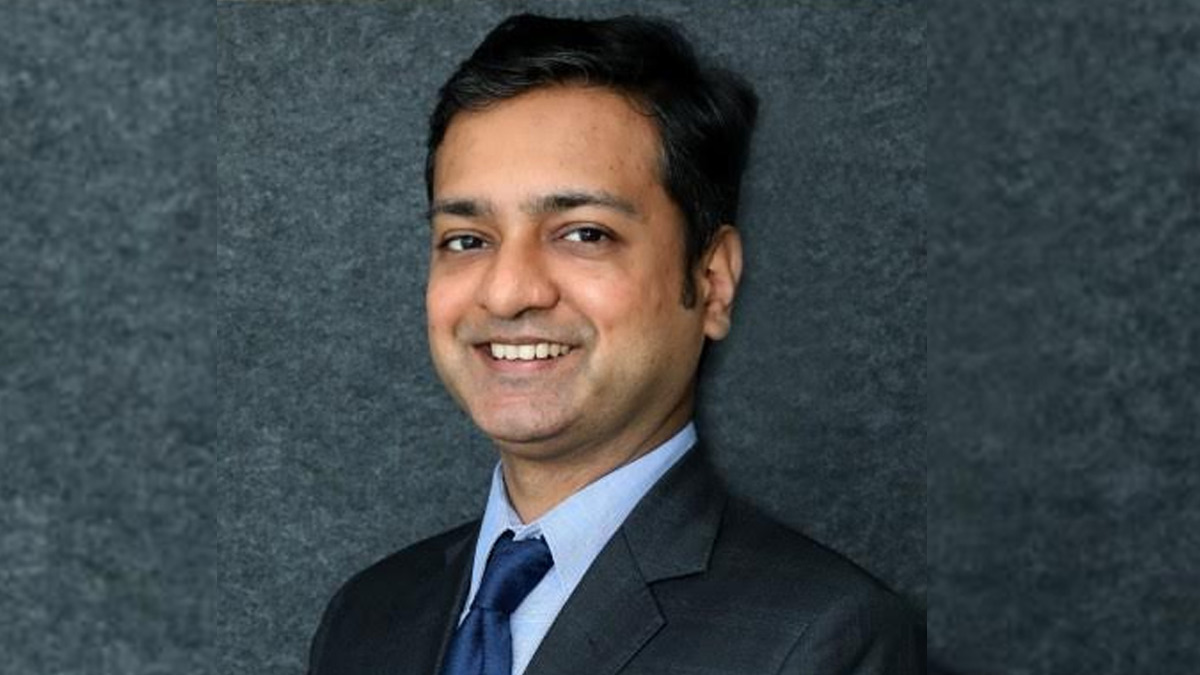
MUMBAI: Emami Limited has appointed Dhruv Aggarwal as its chief growth officer, effective 25 March 2026, following the resignation of Giriraj Bagri.
Aggarwal joins the FMCG major from Bain & Company, where he most recently served as partner. With over two decades of experience across consulting and strategy, he brings a global perspective shaped by work across India, the US, the UK and Germany.
During his tenure at Bain, Aggarwal advised consumer, retail and media companies on large-scale transformations, business turnarounds and growth strategies. He was also closely involved with India’s startup ecosystem, guiding early-stage ventures on scaling and digital expansion, while supporting private equity and venture capital firms on investment decisions.
His earlier stints include a brief role at Barclays Capital and operational experience at Jindal Power, giving him a mix of financial and industry exposure.
Academically, Aggarwal holds an MBA from Indian Institute of Management Bangalore and has also been associated with University of Illinois Urbana-Champaign as a PhD candidate and teaching assistant.
The appointment comes at a time when Emami Limited is looking to sharpen its growth strategy in a competitive consumer market. With a seasoned strategist now at the helm of growth, the company appears set to double down on transformation and expansion in the months ahead.








