MAM
Rekha Murthy joins Rediff.com board as Independent Director


MUMBAI: Rediff.com India has drafted in heavyweight technology veteran Rekha Murthy as an independent director, bolstering its board as the AI-focused platform firm pushes into payments and enterprise software and keeps its IPO options open.
The appointment signals sharper intent at Rediff.com, which is repositioning itself from a legacy internet brand into a data and AI-led business with ambitions beyond content and advertising.
Murthy brings close to 35 years of global leadership experience across technology, enterprise software and consulting. She has held senior roles at IBM, PeopleSoft, digital equipment corporation, Wyse Technology, Korn Ferry International and Harvard business publishing, spanning markets in India, Asia Pacific and the US.

She sits on the boards of multiple international companies. She is also the founder of far vision consulting and works closely with global start-ups as an investor, advisor and mentor.
At Rediff.com, Murthy is expected to play a central role in shaping AI-led strategy, tightening governance and preparing the company for life in the public markets, should it pull the trigger on a listing.
An alumna of Harvard business school and IIM Bangalore, with an engineering degree from Bangalore university and a diploma from NYU, Murthy has built and scaled businesses across sales, product, strategy and P&L leadership. She has also helped launch three start-ups, adding entrepreneurial bite to boardroom gravitas.
As Rediff.com plots its next chapter, the message is unmistakable. This is not a nostalgia play. With murthy on the board, the company is signalling it wants to think bigger, move faster and finally act its age in the AI era.







Brands
Reebok partners with Jerai Fitness for gym equipment in India
Long-term deal to manufacture and distribute Reebok-branded fitness products from April 2026.
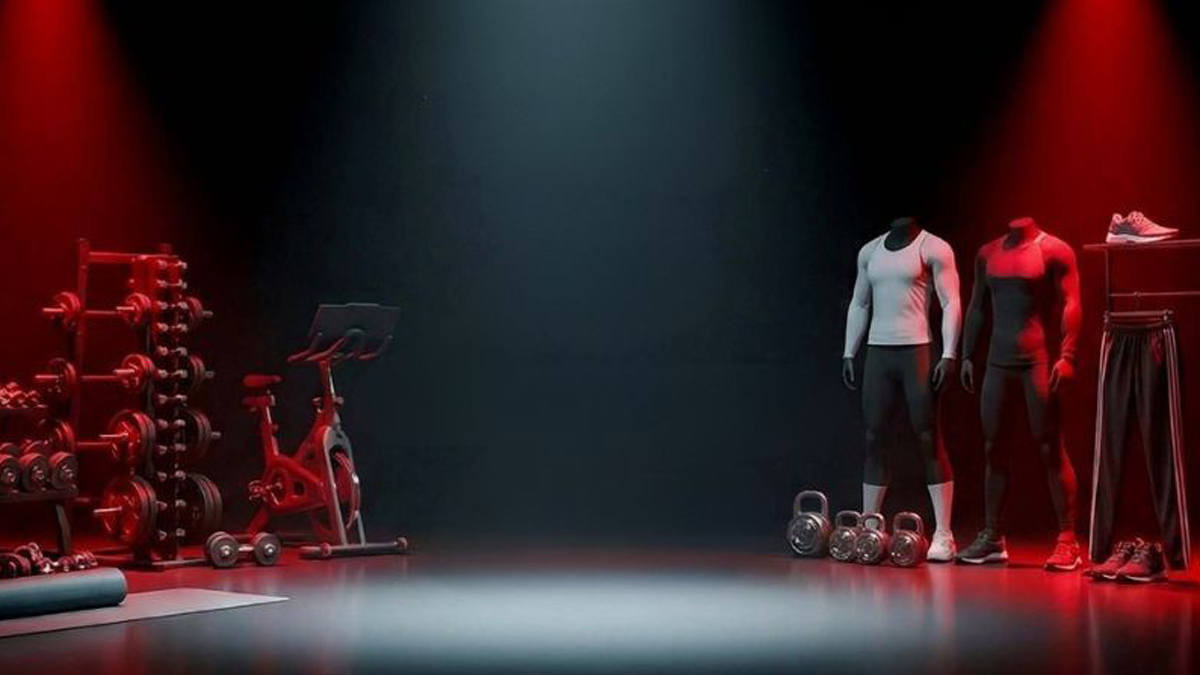
MUMBAI: Reebok is pumping up its presence in India and this time, it’s bringing serious muscle to the gym floor. Jerai Fitness Limited, an Indian manufacturer with over three decades of experience in fitness equipment, has announced a first-of-its-kind long-term partnership with Reebok. Under the agreement, Jerai Fitness will manufacture and distribute Reebok-branded gym equipment across India and neighbouring countries including Sri Lanka, Bangladesh and Nepal. The products will be available from 1 April 2026.
The collaboration combines Jerai Fitness’ fully automated, technology-driven manufacturing facility with Reebok’s global brand legacy to redefine the fitness equipment ecosystem in the region.
Jerai Fitness Limited chairman & managing director Rajesh Rai said the partnership leverages advanced manufacturing capabilities to deliver high-quality products tailored to market needs.
Authentic Brands Group EVP of Reebok Steve Robaire noted that India is a dynamic and fast-growing fitness market. “Jerai Fitness brings the manufacturing expertise and local insight needed to deliver high-quality, performance-driven equipment at scale,” he said.
The partnership will introduce a comprehensive commercial range covering cardio, free weights, and high-end home-use equipment under two distinct series. All products adhere to international standards, including ISO 9001:2015, ISO 14001:2015, ISO 45001:2018, ASTM certifications, and European safety standards EN ISO 20957-1:2013, EN 957-2:2003 and EN 957-4:2006.
Jerai Fitness’ manufacturing facility features fully automated production systems and dedicated storage infrastructure. As of 31 August 2025, it had an installed annual capacity of 21,000 units.
The Reebok-branded equipment will be available pan-India through Jerai Fitness showrooms and official websites jeraihomegym.com and jeraifitness.com.
In a market where fitness goals are rising faster than dumbbells, this partnership gives Reebok the local strength it needs while giving Jerai Fitness a powerful global brand to flex. For Indian fitness enthusiasts and gym owners, the workout just got a stylish upgrade.






