MAM
RBI recommends banning cryptocurrencies, industry shows concern


Mumbai: The crypto ecosystem in the country has once again come under the scanner after finance minister Nirmala Sitharaman stated in Parliament recently that the Reserve Bank of India (RBI) has expressed concerns over cryptocurrencies and sought a ban on them from the government.
“In view of the concerns expressed by RBI on the destabilising effect of cryptocurrencies on the monetary and fiscal stability of a country, RBI has recommended the framing of legislation on this sector. RBI is of the view that cryptocurrencies should be prohibited,” said the FM in reply to a question raised in Lok Sabha on the stance of the government and the RBI on Cryptocurrency.
This is even as India recorded the second-highest number of cryptocurrency users in the world last year, and the crypto market in the country grew by over 600 per cent, as per a report released by industry research firm Chainanalysis in 2021. The cryptocurrency sector in the country can no longer be termed niche, as it catches the fancy of an increasing number of traditional-minded investors looking to diversify their investments.

However, on whether the government has any immediate plans to legislate a law restricting the use of cryptocurrency in India, the FM clarified that while cryptocurrency by definition is borderless, it requires international collaboration to prevent regulatory arbitrage. “Therefore, any legislation for regulation or for banning can be effective only after significant international collaboration on evaluation of the risks and benefits & the evolution of common taxonomy and standards,” she said.
Despite this clarification on the long-standing matter of regulation of the digital asset class, and notwithstanding the boom in adoption of the virtual currency just last year, uncertainty continues to plague the crypto industry in the country. The crypto market has been on a downward trend since the start of the year due to various macroeconomic factors, according to industry insiders.
Even so, most of the industry stakeholders Indiantelevision.com spoke to were sceptical about the ban on crypto becoming a reality.
According to Optiminastic Media founder Akshae Golekar, with several first world countries, such as the UK, Australia, Denmark, France, Germany, and Spain, to name a few, accepting and working towards adopting the technology and adapting to the new trend, it will be outright foolish to ban crypto altogether.
Secondly, he points out, the core of crypto is blockchain, and blockchain is a public global ledger. “If a particular country bans it, it would have no effect on the functionality or the application of the technology. Instead, it will be the country that is left behind. “
So while it would be sad for the entire crypto ecosystem, it wouldn’t come to a point where the crypto ecosystem is so affected that it breaks down or the technology is aborted, Golekar asserts. “Brands can still emerge successful by focusing their marketing and operations in other countries of the world. Thriving and sustaining in India, though, would be a grave issue. Crypto ban would simply mean there’s nothing left for such brands in India,” he added.
Already, some crypto startup founders are moving out of the country in a bid to shift base to more crypto-friendly destinations. The co-founders of India’s largest cryptocurrency exchange, WazirX, Nischal Shetty and Siddharth Menon, recently moved to Dubai with their families for clearer policies around digital assets.
This comes on the back of the hefty tax imposed on crypto, amid a progressive clampdown on the virtual currency, including action by enforcement agencies against some platforms, and the basic lack of clarity on policy in the long run.
They can’t work in an uncertain environment, and this literally affects the country, its economy, and the present and coming generations. “It is a concerning thing when it comes to the growth and development of the nation with respect to technology,” said Golekar.
“The RBI is voicing concerns about the ‘adverse effects’ of digital assets on the Indian economy, alternating between ‘legislation’ and ‘prohibition’ and the government adopting a wait-and-watch strategy, India is on the brink of losing the opportunity to become a world leader in the cryptosphere,” feels crypto banking platform CEO and director Abhijit Shukla.
“The central bank digital currencies are known to palpably denounce private cryptocurrencies. While the government is finalising a concrete stance on this, there seems to be a lack of understanding between money and currency,” he says. “While the RBI could be over-critical of the crypto assets considering their volatile nature and the risks involved for its investors, it is always better to gauge both sides of the same coin, looking at the positive effects of utilising this technology,” says Shukla, adding that a blockchain-based payment system with sovereign backing can’t be a replacement for cryptocurrencies on the whole.
Digital assets technology company, Atato’s co-founder and head of partnerships, Maxime Paul, echoes the sentiment when he says that centralised banks may feel a greater need to regulate products which they find it hard to control considering the decentralised nature of crypto. “As a regulated and licenced wallet provider, we do see increased sandboxes for crypto by regional regulatory authorities that welcome cryptocurrency,” he continues. While being supportive of legislative frameworks on crypto, Paul believes an outright ban would not be easy to enforce considering India is one of the largest demographics for cryptocurrency.
Armoks Media founder Arun Prabhudesai agrees with the majority opinion that banning cryptocurrency is not the solution. “Around two crore Indians have cryptocurrencies right now, whose value is estimated to be Rs 45,000 crore. It’s a trillion-dollar market globally, and we cannot just shut it down. Since crypto is essentially decentralised money, there is no point in banning it, he adds.
India will close the doors for FDI as well as next-gen technological innovations if we ban cryptocurrency, says Prabhudesai. “We will be clubbed with China, and essentially tell the world that hey, we cannot handle the future.” He adds that the government should consider cryptocurrencies as investment instruments and should impose transparent taxes on them (which right now is a bit ambiguous).
Industry experts agree that there has to be a balanced approach. Regulation of crypto is the solution for the long run, most believe.
“We believe that a collaborative approach towards crypto investment aligned with India’s positioning to be an upcoming superpower would be the right approach considering the global acceptance and adoption of crypto,” says BuyUcoin CEO Shivam Thakral.
The challenges he foresees for the crypto industry in the country mainly come in the form of “mainstream acceptance,” as crypto needs support from a regulatory perspective to be culturally accepted by the masses, says Thakral.
Notwithstanding the RBI’s concerns about cryptocurrencies affecting monetary stability, global crypto investment platform Mudrex CEO and co-founder Edul Patel believes cryptos can create a more transparent environment for transactions using blockchain.
“India has over 20 million stakeholders holding crypto assets worth $5.3 billion. If the government decides to ban cryptos, the act would directly impact them,” says Patel. “And this would also hinder the growth and innovation in the sector to a great extent in this digital era, taking the country’s performance down.”
Bhavan’s SPJIMR associate professor of finance, Dr. Hemant Manuj, sums up the discussion when he says that cryptos have several positive features, but the counterparties have no resort if there is any kind of breach in the transaction.
Based on their optimal design, he says, they can serve as fast and efficient modes of payment and also ensure privacy. However, regulators should be questioning whether public trading should be allowed in a security with no tangible underlying asset. And if so, what safeguards are required?
Ironically, the large-scale acceptance of cryptos can happen only at the cost of the existing currency systems. That would have monetary, economic, and nationalistic implications. So, the anti-crypto stance of the regulators like RBI can be understood as partly logical and partly protective of the existing systems, notes Manuj.
Crypto brands were also some of the biggest spenders in advertising and marketing in the last couple of years. Crypto exchanges took out full-page ads in newspapers and signed up top Bollywood stars to promote their offerings during popular marketing properties.
However, there has been a drastic dip in the promotional activities of late-this year’s IPL being a case in point where the brands were glaring by their absence. It’s a remarkable turnaround from last year, when the crypto platforms were some of the country’s hottest brands.
It is likely that, given India’s huge demographic, sponsors shying away from the IPL would like to not be in the spotlight while regulations are not defined, says Atato’s Maxime Paul. Uncertainty will divert marketing resources to crypto-friendly markets. He adds that this is also something to consider for regulatory authorities as part of the ecosystem of crypto.
Industry stakeholders also believe the reason behind the brands’ going “missing in action” could also be the recession. The roots of these crypto brands are finance and the economy. These players knew that the macroeconomic indicators were not looking good and hence paused investing in marketing, says Optiminastic Media Golekar. At times like these, marketing spending needs to take a back seat and brands focus on sustainability and developing and improving the product and service.
Whenever markets go through a bear phase, as is the case currently, belts need to be tightened, agrees the Coinswitch Kuber spokesperson, adding that the crypto sector is no different. “Volumes in the Indian crypto market have been following global trends. We believe that the bear market is temporary and that crypto is here to stay,” said the spokesperson for the cryptocurrency exchange platform.
There were also a lot of concerns raised about the advertisement blitzkrieg by crypto brands last year, with several of them being flagged for misleading claims. Other industry experts opined that it is likely that brands are working with recent advertising guidelines and standards to create new, acceptable creative means of promotion.
Amid a bull market last year, cryptos were the clickbait of social media platforms with ever-engaging ads and well-tractioned branded promotions, says Tarality’s Abhijit Shukla. This year established an alternative crypto-perspective, he says. “The ads promoting cryptos were toeing a fine line between ‘puffery’ and ‘misinterpretation’—luring Indians into investing in notorious asset classes for fluctuating price swings without comprehending the real risks involved.”
With the prime focus on driving awareness with crypto exchanges, ads with extensive disclosures and disclaimers for a layperson’s investing decisions are the need of the hour, marketers believe.







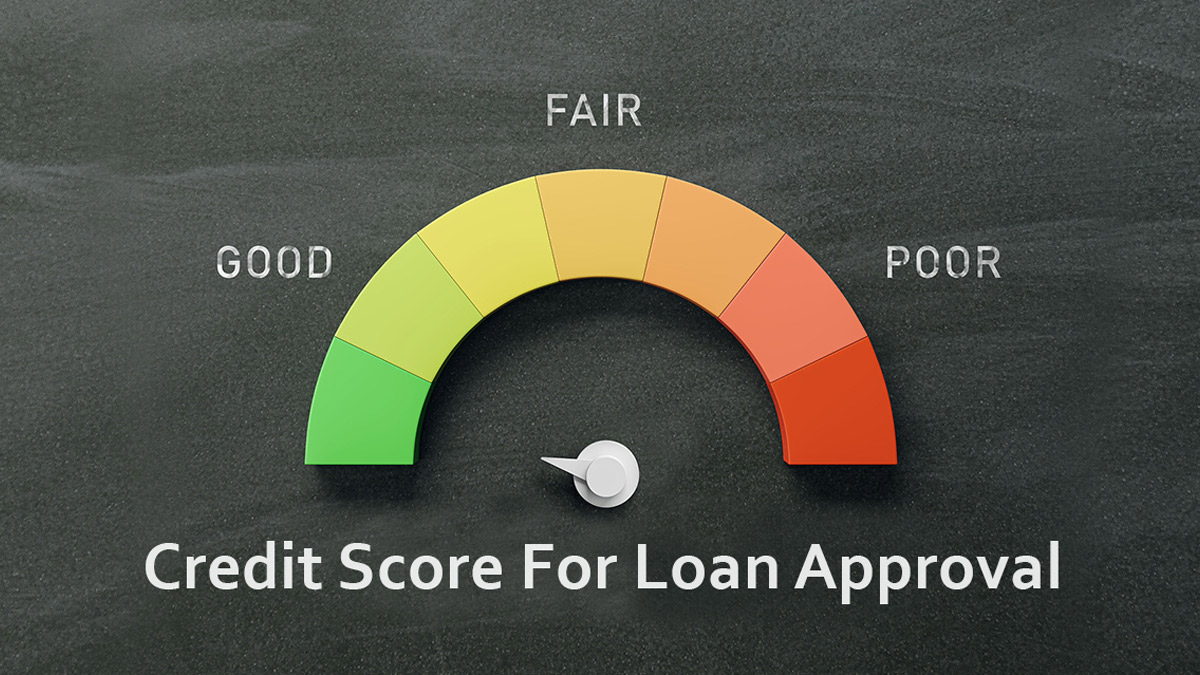
When you plan to apply for a personal loan, one of the first things that comes into focus is your credit score. Many people hear about it but may not fully understand how much influence it actually has on the application process. In simple terms, a credit score reflects how responsibly you have managed credit in the past.
It acts as a snapshot of your financial behaviour over time. This score plays an essential role in deciding personal loan eligibility and how smoothly the application moves forward. Being aware of how your credit score impacts the process can help you prepare well before applying for a personal loan.
Below are a few ways your credit score can influence personal loan approval.
1. It plays a key role in personal loan eligibility
Your credit score is often one of the primary indicators used to evaluate personal loan eligibility. A strong score of usually 750 and above reflects a history of paying dues on time and managing credit responsibly. This financial track record helps show reliability when applying for a personal loan.
On the other hand, a lower credit score might indicate missed payments or higher credit usage in the past. Because of this, the credit score becomes an important starting point in assessing whether an applicant meets the basic eligibility conditions.
2. It reflects your repayment behaviour
Your credit score is built from your previous financial behaviour, particularly how consistently you repay borrowed money. Timely payments on credit cards, loans, and other credit facilities contribute positively to the score.
When your repayment record shows consistency, it suggests that you manage financial commitments in a responsible manner. This positive history can support your personal loan eligibility and make the loan application procedure smoother.
3. It may influence loan terms
A good credit score does not just help with loan eligibility; it can also influence the overall terms linked with a personal loan. Applicants with stronger credit profiles might find that the available options are more flexible.
Since the credit score reflects financial reliability, it can shape how the loan structure is offered, including aspects such as repayment tenure or borrowing limits. Maintaining a healthy credit score, therefore, plays a vital role in shaping the borrowing experience.
4. It affects the speed of the approval process
Applications supported by a strong credit score often move through the process more smoothly. When your credit history clearly shows responsible credit usage, fewer clarifications may be required during the evaluation stage.
This can help speed up the approval timeline for a personal loan. In contrast, if the credit history contains irregularities or gaps, the review process may take longer, as additional checks may be required.
5. It encourages responsible financial habits
One of the most valuable aspects of a credit score is that it encourages responsible financial behaviour. Being aware that repayment history directly influences personal loan eligibility often encourages individuals to manage their credit more responsibly.
Simple habits such as paying dues on time, avoiding excessive borrowing, and maintaining balanced credit usage can gradually improve the score. Over time, these habits build a strong financial profile that supports future borrowing needs.
Ending note
A credit score may seem like just a number, but it carries significant weight when applying for a personal loan. It reflects your financial discipline, repayment history, and overall credit management.
By maintaining good credit habits, you not only strengthen your personal loan eligibility but also make the borrowing process smoother and more predictable. In the long run, a healthy credit score becomes more than a requirement; it becomes a reflection of consistent and thoughtful financial management.






