Brands
RBI approves Vinay Muralidhar Tonse’s appointment as Yes Bank’s MD & CEO

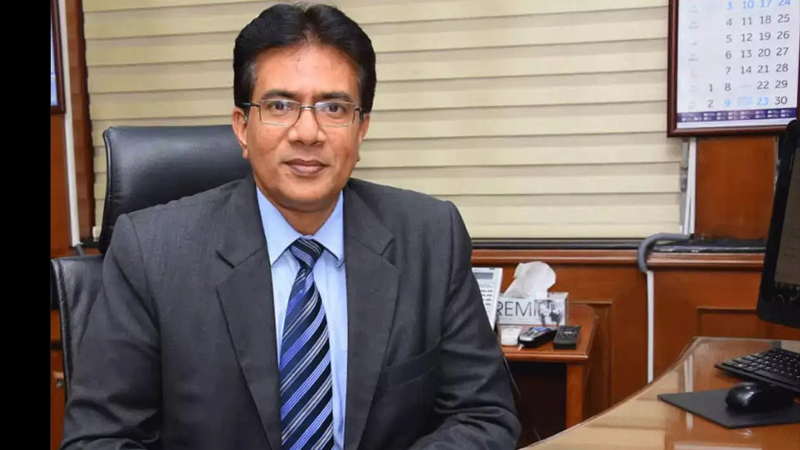
MUMBAI: Yes Bank has lined up its next leader. The Reserve Bank of India on February 4 approved Vinay Muralidhar Tonse as managing director and chief executive officer, setting the stage for a planned handover at the private lender as it steadies its post-crisis rebuild.
The approval, disclosed in a regulatory filing, is subject to shareholder clearance. Prashant Kumar, the incumbent md and ceo, will continue through his extended term, ensuring continuity while the bank prepares for transition.
Tonse arrives with a long retail-banking pedigree. Until November 30, 2025, he served as md (retail business and operations) at State Bank of India, where he built deep experience in retail lending, distribution and operations—areas crucial for Yes Bank’s growth ambitions. The bank underscored his operational depth and confirmed he is not debarred by Sebi or any authority.

The timing is notable. Yes Bank has spent the past few years repairing its balance sheet, rebuilding trust and sharpening governance after its 2020 rescue. Kumar, first appointed in March 2020 during the reconstruction, has been central to that clean-up. Reappointed in October 2022 and again in 2025, he has overseen a shift towards a more “re-energised, recapitalised and recalibrated” bank.
Kumar’s own SBI career spanned 34 years across credit, finance, HR and operations, from probationary officer in 1983 to senior leadership roles including deputy md and chief financial officer. His tenure at Yes Bank stabilised the ship; Tonse’s task will be to accelerate the voyage.
For a bank once defined by crisis, the narrative is now about succession and scale. The regulator has spoken, the board has moved and the market will watch the next chapter closely. In Indian banking, turnarounds win headlines—but durable growth wins the story.




Brands
Devyani International names Sandeep Anand, Robinder Singh in key roles
Pizza Hut and Costa Coffee businesses see leadership refresh from April

MUMBAI: Devyani International has strengthened its senior leadership bench with a fresh set of appointments across its key brands, Pizza Hut and Costa Coffee, signalling a sharper focus on growth and brand momentum.
The company has appointed Sandeep Anand as chief marketing officer and business head for Pizza Hut. His appointment, approved by the board via a circular resolution on April 3, follows a recommendation by the Nomination and Remuneration Committee, as reported by CNBC-TV18. Anand will officially step into the role on April 6, 2026.
He takes over from Vijay Gogate, who currently serves as chief executive officer for Pizza Hut within the company’s operations. The move marks a strategic transition as the brand looks to sharpen its marketing and business playbook in a competitive quick service restaurant market.
Anand brings over two decades of experience across the food and FMCG sectors, with a strong track record in brand building and innovation. His career spans roles at major consumer-facing companies including Domino’s, Zydus Wellness, Zomato, GSK Consumer Healthcare, Reckitt and Ranbaxy, giving him a well-rounded perspective on both scale and agility.
Alongside this, Robinder Singh has been appointed business head for Costa Coffee and the company’s airport operations. He too will assume his new role on April 6, bringing more than 18 years of experience in operations, business expansion and customer experience transformation.
The twin appointments come at a time when Devyani International is doubling down on leadership depth to steer its portfolio through evolving consumer preferences and heightened competition. With fresh faces at the helm of two key verticals, the company appears set to brew up its next phase of growth with renewed energy.






