Brands
Rasna launches Himalayan products at the Uttarakhand Global Investors Summit

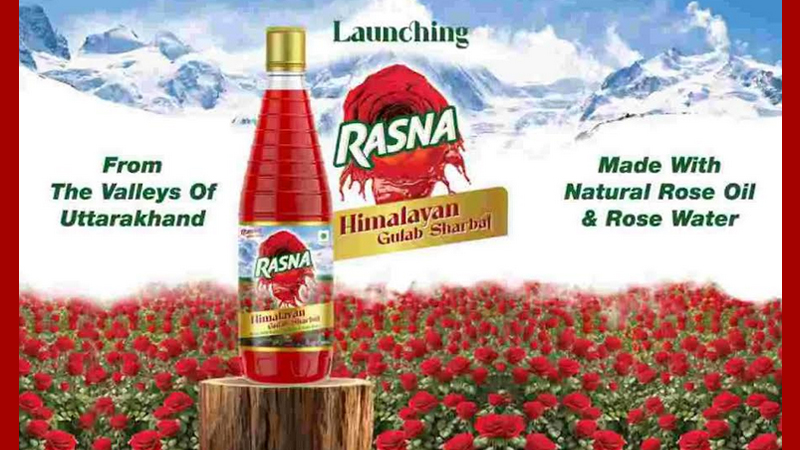
Mumbai: Today, at the Uttarakhand Global Investors Summit, Rasna proudly announced the launch of their Rasna Himalayan Gulab Sharbat, Himalayan Gulkand and Himalayan Gulab Chywanprash. In an effort to increase Rasna’s presence in the state, the products will be manufactured using raw materials such as pure rose oil and rose water all sourced from the valleys of Uttarakhand.
Rasna through its extensive manufacturing and marketing outreach with 12 factories in India and 1.6 million outlets coverage in India and availability in more than 60 countries will launch the product in India and abroad simultaneously, especially in Middle East where Indian rose products are already in demand. With a global demand for the product, Rasna aims to grow its presence through increased sourcing of local produce from the state. To further revenue generation for the state, Rasna also plans to launch Sandal Syrup and Turmeric Syrup based concentrate syrups, whose raw materials would also be sourced from the Valleys of Uttarakhand.
Uttarakhand, especially the valley of flowers in Chamoli, is known for its variety of rose flowers namely Damask. The Damask Rose is very distinctive, as it provides a unique aroma and has been used extensively for centuries as an additive for various food, ayurvedic, nutraceutical and related products. Rasna through its innovative R&D approach has made this rose syrup using natural ingredients from the state which will provide therapeutic benefits that stem from the antioxidant, antibacterial, anti-inflammatory, and gut-cooling properties of the flowers and not to forget the aroma and distinct taste of the product.

Commenting at the Uttarakhand Global Investor Summit, Rasna group chairman Piruz Khambatta said “Rasna is dedicated to work in line with the Hon. Prime Minister’s vision of food from India for the world. We fully support the call for Vocal for Local and are expanding it by making Local go Global. In interest of which and to showcase our commitment to the state of Uttarakhand, we have launched the Rasna Himalayan Gulab Sharbat, Himalayan Gulkand, Gulab Chywanprash and aim to roll out additional products PAN India and globally, all of which will be manufactured using raw materials sourced from the state. This will immensely help the farmers of Uttarakhand by improving their income and getting better value for their crop.”
Consumers are moving towards natural and ethnic products and according to a recent Euromonitor report the Indian concentrate syrup market is expected to become a billion-dollar industry by 2024. As a market leader, Rasna expects immense growth in this product category which will significantly increase their presence in Uttarakhand over the coming years.
Rasna Himalayan Gulab Sharbat would be available in two pack sizes 750 ml at Rs 160 and 600 ml at Rs 130, across Rasna’s mammoth market of 1.6 million outlets through its 26 depots, 200 super stockists, 5000 stockists and 900 sales force.



Brands
Jubilant Foodworks to end Dunkin’ franchise in India
Pizza chain operator will not renew agreement when it expires at end of 2026.
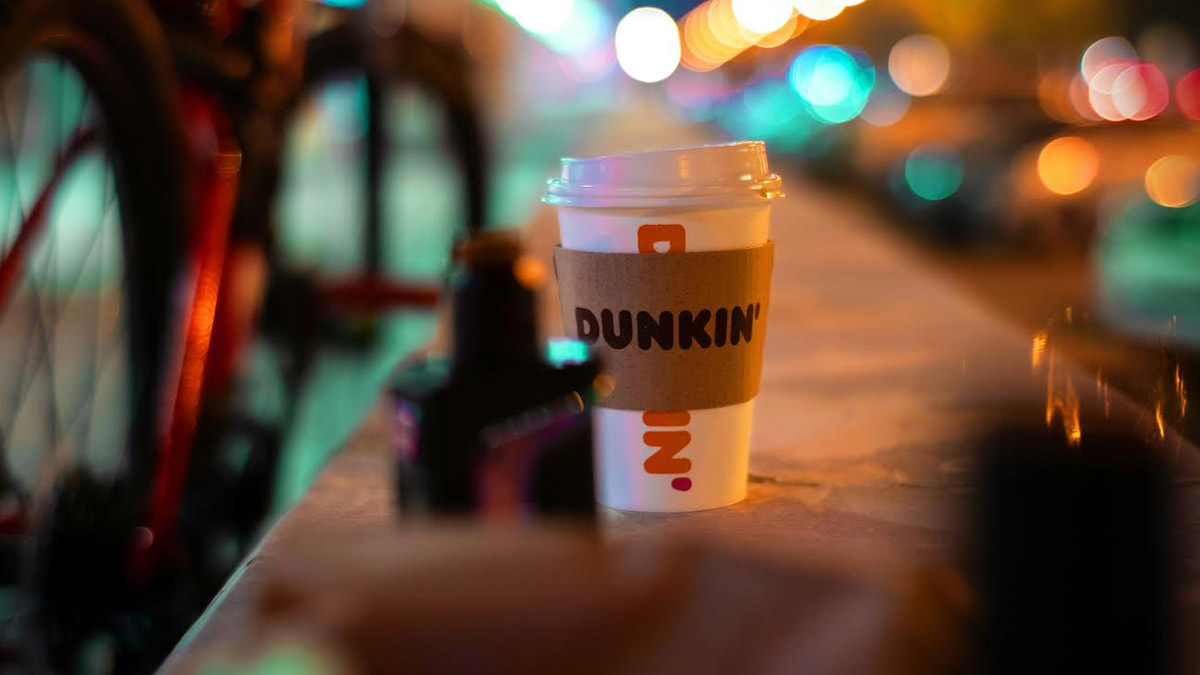
MUMBAI: When the doughnuts stop turning and the coffee goes cold, even a global giant like Dunkin’ can find the Indian market a tough brew to crack. Jubilant Foodworks has decided not to renew its franchise agreement with Dunkin’ when the pact expires on 31 December 2026, according to a Reuters report. The operator, best known for running Domino’s outlets in India, said it would evaluate options for its existing Dunkin’ stores, including a potential sale or transfer of franchise rights, in consultation with the US-based brand.
The decision follows years of underperformance in a market where local tastes and intense competition have made it difficult for international coffee-and-doughnut formats to gain traction. Jubilant, which has increasingly focused on its core pizza business and newer bets like Popeyes, indicated that the exit would not materially affect its financial or operational position.
Dunkin’ accounted for just 0.61 per cent of Jubilant’s revenue in the fiscal year ending 2025 and recorded a loss of approximately Rs 191 million, according to a regulatory filing. The company operated 27 outlets as of December 2025, having shuttered seven stores over the preceding year.
The retreat comes even as Jubilant’s broader business shows signs of momentum. The company reported a 65 per cent rise in quarterly profit for the October to December period, reaching Rs 70.9 crore, up from Rs 42.91 crore a year earlier.
For Jubilant, the exit reflects a sharpening strategic focus. For Dunkin’, it marks another setback in a market that has proven resistant to imported café concepts without significant localisation.
In the cut-throat world of Indian quick-service restaurants, sometimes the sweetest deals are the ones you quietly walk away from leaving more room for the brands that truly rise to the occasion.