MAM
Rajnigandha’s new TVC celebrates the art behind the taste

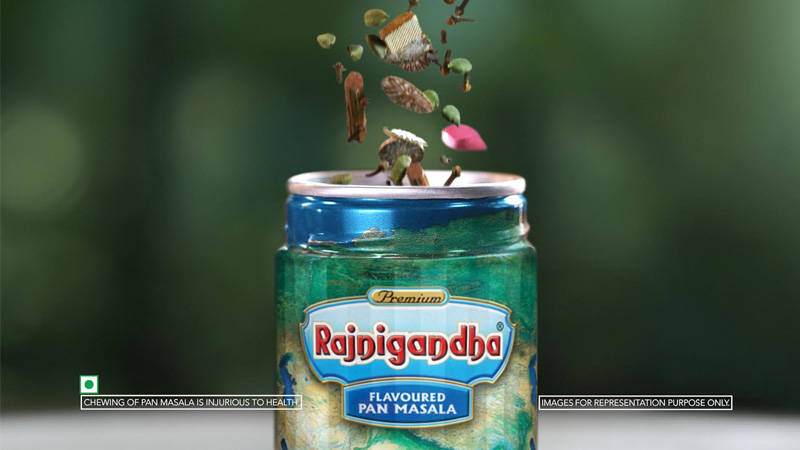
NEW DELHI: Rajnigandha is putting the spotlight where it believes the magic truly begins. Ingredients. The iconic mouth freshener brand from the Dharampal Satyapal Group has unveiled a new ingredient-led television commercial that leans into craftsmanship, patience and the quiet precision behind its unmistakable taste.
The film, titled Yun Hi Nahin Main Rajnigandha Ban Jaata Hun, is less an advert and more a visual meditation on making things well. Directed by celebrated French filmmaker Bruno Aveillan, the TVC unfolds like a short cinematic journey, rich in texture, mood and detail. It traces the careful selection, evaluation and blending of ingredients that go into every pack of Rajnigandha, reminding viewers that consistency is crafted, not conjured.

At the heart of the narrative lies the fine art of blending. Master blenders take centre stage, their trained senses and exacting standards portrayed as the unseen hands that shape the brand’s signature richness. Conceptualised by McCann Advertising, the film adds a multisensory polish that sharpens Rajnigandha’s premium positioning.
Commenting on the campaign, DS Group senior general manager, marketing, mouth freshener Sushaant, said the new TVC underlines the brand’s belief that great taste is never a happy accident. Instead, it is built over years of experience, discipline and an uncompromising approach to quality.
The campaign will be rolled out across television and digital platforms, including YouTube, Instagram, Facebook and OTT services, inviting audiences to slow down and savour the craft behind a familiar name.





MAM
Ameya Velankar steps down as Uber’s head of marketing for India & South Asia
Veteran marketer exits after more than seven years with the ride-hailing giant.
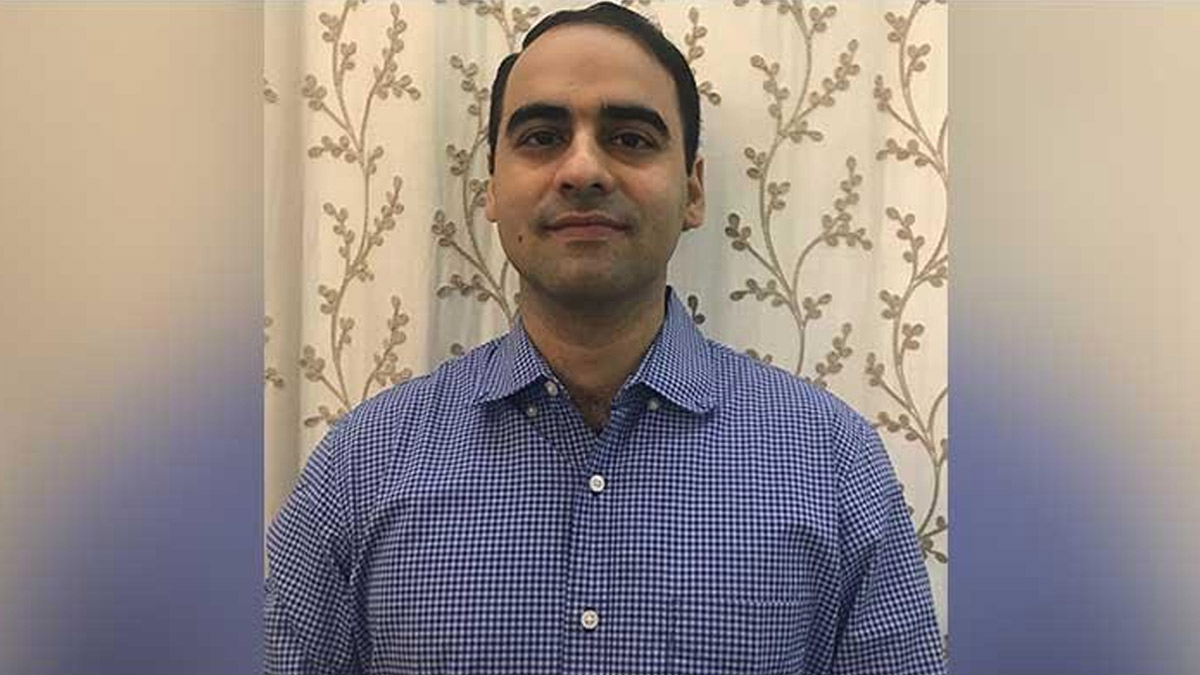
MUMBAI: After more than seven years of steering Uber through the bumpy roads of India’s mobility market, Ameya Velankar has decided to change lanes. Ameya Velankar has stepped down as Head of Marketing for India and South Asia, marking the end of a significant chapter at the ride-hailing company. He had been with Uber since 2019, taking on multiple roles in product and category marketing before rising to lead the marketing function for the region in 2021.
During his tenure, Velankar played a key role in strengthening Uber’s positioning in one of its most competitive and dynamic markets. He helped drive localised marketing strategies and scale adoption across key offerings such as Auto, Moto, Rentals and Intercity, tailoring global platforms to Indian consumer needs.
Prior to joining Uber, Velankar built his marketing expertise at leading consumer companies including SC Johnson and Marico, where he handled category and product leadership roles. His career began at RPG Enterprises.
Details of his next professional move have not been disclosed.
In a fast-evolving mobility landscape where brands constantly battle for attention, Ameya Velankar helped Uber stay relevant and resonant with millions of Indian users. As he moves on from the driver’s seat of marketing, the company will now look for fresh ideas to keep its wheels turning smoothly.






