MAM
Qalam 2001 : Vipul D Shah


Developing Humour out of Everyday Situations
Vipul D Shah noted that a writer should seek out characters from among his surroundings and then develop them with one’s imagination.
“The characters have to be unique as well as identifiable”, he said. Comedy serials stipulate that the protagonists have a unique peculiarity, a certain style and a background, on the basis of which interrelationships and his reactions in adverse situations can be fleshed out.

In his address on developing a comedy, Shah said that the genre is yet to get its due in a developing television industry like the Indian one, accounting for the high incidence of slapstick comedy current here. and stressed on the need for imagination and a good memory to develop humorous characters in a script. One’s surroundings often provide the best fodder in developing interesting character profiles, he said, and regaled the audience with snippets of his own experiences. The important points a writer has to bear in mind are-
-
What the characters want out of life
-
Interrelationships between characters
-
How the characters react in adverse circumstances
-
Characters’ background/ general behaviour
-
Characters’ peculiar humour style that has to be developed.



Brands
Parle-G celebrates Bihu with music-led campaign rooted in culture
Two-part films blend nostalgia and storytelling to capture Assam’s festive soul
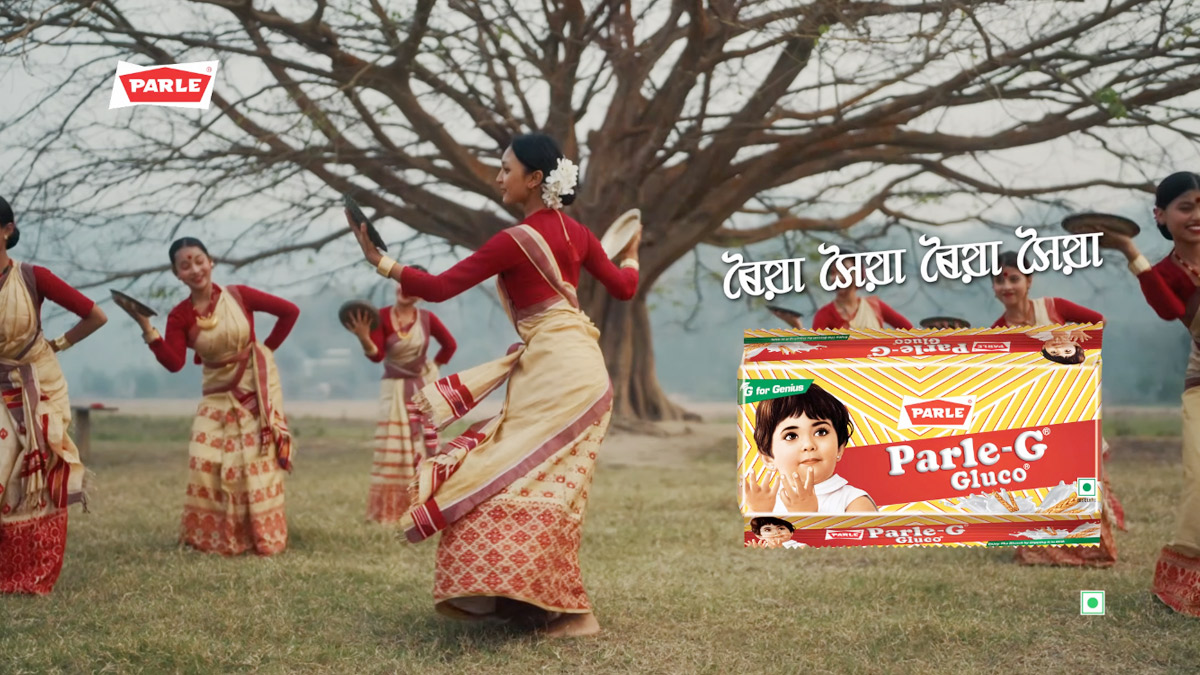
MUMBAI: Parle-G has turned to music, memory and meaning in its latest campaign celebrating Bihu, offering a culturally rooted tribute that goes beyond typical festive advertising.
Created by Thought Blurb Communications, the two-part campaign builds on the brand’s long-standing thought of finding joy in others’ happiness. It begins with a music-led prequel and culminates in a narrative-driven film that explores the emotional essence of the festival.
The campaign opened with a two-and-a-half-minute Bihu music video featuring Partha Hazarika, with music composed by Nilotpal Bora and vocals by Dikshu. Rather than positioning itself as a conventional brand piece, the video leaned into authenticity, capturing the vibrancy and rhythm of Bihu. Viewers also drew emotional parallels to Zubeen Garg, whose absence lent the film a nostalgic undertone. The response was swift, with over 12 million combined views across YouTube and Instagram within a week.
Building on this momentum, the main film tells the story of Ahir, a musician struggling to compose a Bihu song within the confines of a studio. His journey takes him into the open landscapes of Assam and eventually to the banks of the Brahmaputra, where a boatman helps him rediscover the true spirit of Bihu. The narrative underscores a simple idea that the festival cannot be manufactured in isolation, it must be experienced in nature, community and shared joy.
Speaking about the campaign, Parle Products vice president Mayank Shah said the initiative aims to celebrate not just the festival but the emotion behind it. He noted that Bihu reflects the idea that joy multiplies when shared, a theme that sits at the heart of the story.
From the agency side, Thought Blurb Communications chief creative officer Vinod Kunj said the team sought to tap into Assam’s cultural pulse, acknowledging the emotional void left by the absence of Zubeen Garg while celebrating the enduring spirit of the festival.
Adding to this, Thought Blurb Communications national creative director Renu Somani Karwa said the campaign draws from deeply human stories, where small acts of generosity become powerful expressions of connection.
Meanwhile, Thought Blurb Communications executive creative director Auryndom Bose highlighted the importance of nature in shaping Bihu’s identity, noting that the film attempts to capture how music and movement emerge organically from the landscape itself.
With this campaign, Parle-G leans into cultural storytelling with a lighter brand footprint and a stronger emotional core. By placing music and community at the centre, it offers a reminder that some stories are best told not in studios, but in the shared rhythms of real life









