MAM
Q3 internet ad spends in US up 18%

MUMBAI: In the third quarter of 2012, US internet advertising revenues reached $9.26 billion, according to the latest figures released by the Interactive Advertising Bureau (IAB) and PwC US. These figures show an 18 per cent climb year-over-year, in comparison to Q3 2011‘s $7.8 billion and a six per cent increase over Q2 2012 figures of $8.72 billion.
The report it sponsored by IAB and is conducted independently by the New Media Group of PwC. The data for the research was compiled directly from information supplied by companies selling advertisements on the internet. The survey includes data concerning online advertising revenues from web sites, commercial online services, free email providers, and all other companies selling online advertising.
IAB president and CEO Randall Rothenberg said, “These historic investments in interactive point to the strong results that marketers are receiving from digital marketing. It is a highly effective medium for interacting and engaging consumers, who are no longer passive, but are active participants in contemporary media online, through social media, and on-the-go with mobile.”

IAB senior vice president, research, analytics and measurement Sherrill Mane said, “Sustained growth in internet ad revenue despite economic head winds is a testament to the value marketers get from using digital media.”
PricewaterhouseCoopers LLP partner David Silverman said, “This uptick goes beyond a significant year-over-year increase at 18 percent, and also shows a climb from last quarter as well. Clearly, digital advertising is continuing its positive trajectory with incredible momentum as it heads into seasonally strong Q4.”







Brands
KKR sixes to power EV charger rollout under VIDA campaign
Cricket meets clean mobility as big hits spark India’s charging growth
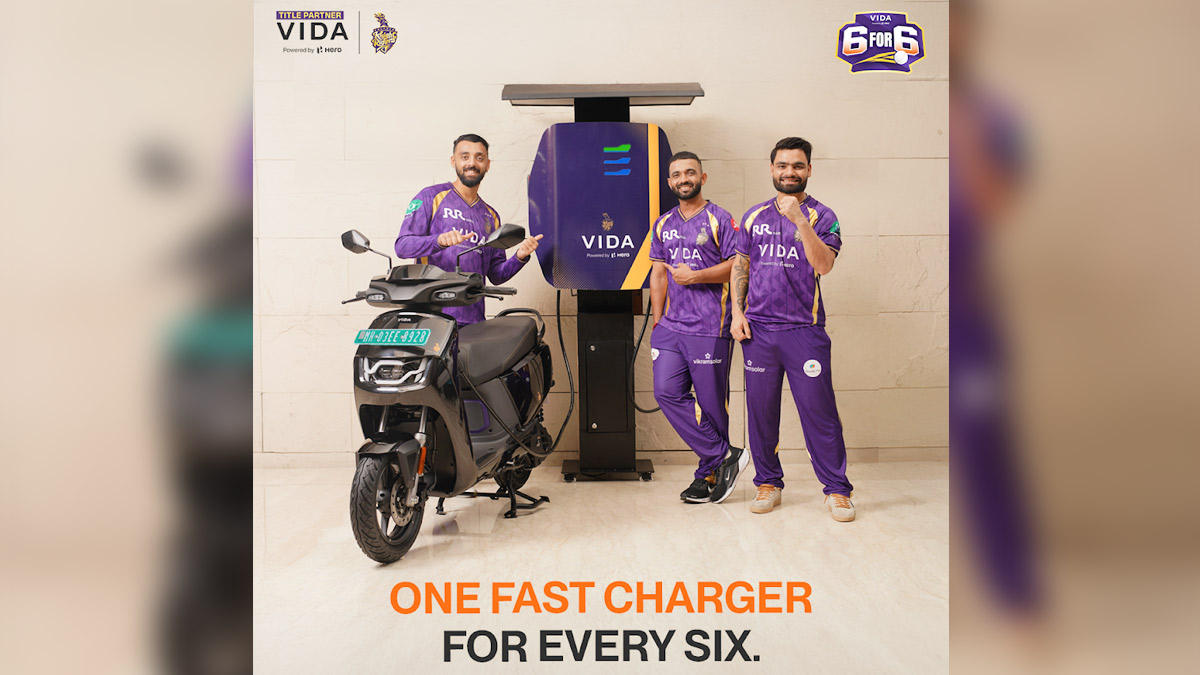
NEW DELHI: VIDA, the electric mobility arm of Hero MotoCorp, has teamed up with Kolkata Knight Riders to launch a campaign that turns cricketing flair into real-world impact.
Titled ‘6 for 6’, the initiative promises to install a 6kW fast EV charger for every six hit by KKR during the ongoing Indian Premier League season. The idea is simple but powerful, as each big hit on the field contributes directly to expanding India’s fast-charging infrastructure.
The campaign builds on VIDA’s growing network, which already spans over 5,300 fast-charging points across more than 430 cities. With EV adoption gaining pace, the brand is using cricket’s mass appeal to accelerate both awareness and infrastructure growth.
Explaining the thinking behind the move, Hero MotoCorp emerging mobility business unit chief business officer Kausalya Nandakumar said, “Cricket has an incredible ability to unite and inspire millions across the country. With the ‘6 for 6’ campaign, we are turning every big hit on the field into a step towards a cleaner and a more accessible mobility future.”
She added that VIDA’s expanding fast-charging network and removable battery technology are designed to make EV ownership more convenient and practical for everyday users.
From the franchise’s side, the campaign is also about giving on-field moments a larger purpose. Kolkata Knight Riders chief executive officer Venky Mysore said, “The ‘6 for 6’ campaign exemplifies the potential of sport as a platform for meaningful, real-world impact. By linking every six to the expansion of EV charging infrastructure, this partnership transforms fan excitement into tangible progress.”
As part of the rollout, VIDA has introduced co-branded charging stations in KKR’s signature colours, with a flagship installation unveiled alongside team players. The chargers are designed for quick top-ups, powering VIDA scooters from zero to 80 percent in about an hour, while also being positioned along key highways to support longer journeys.
The initiative also taps into VIDA’s removable battery system, which allows users to charge using standard household plug points, adding flexibility to the charging ecosystem.
By blending the thrill of cricket with the urgency of clean mobility, VIDA and KKR have found a neat way to make every six count twice, once on the scoreboard and again on India’s road to an electric future.








