MAM
Pushing boundaries for Vistara


MUMBAI: The Indian aviation sector welcomed another member last week when Tata Singapore Airlines, a 51:49 joint venture between the Tata Sons and Singapore Airlines, announced to fly high in the Indian skies.
Christened, Vistara, it aims to will bring the pleasure back to flying by treating passengers as individuals and not seat numbers.

The Ray+Keshavan | Brand Union has created the brand for the new airline; it developed the strategy, name, visual identity and brand experience for the full-service airline.
R+K | BU chairperson Sujata Keshavan wants every single aspect of Vistara to reflect its global standards and Asian soul.
Hence, the extensive project took over six months, since, it involved a deep dive into customer and market research, in India and globally. The entire team committed to the project. “From our naming experts to our strategists, our designers to our studio, everyone has been living and breathing Vistara for the last few months. We had to be super careful about secrecy and we managed that, even though it was a large team,” says R+K | BU lead engagement manager Neethi Isaac.
The name and the logo were well thought of. R+K | BU focused on names that are Indian in their origin, but can be easily pronounced and remembered by a global audience. The name development involved culture and phonetic checks in over 20 countries. Vistara is derived from vistaar means ‘infinite expanse’ in Sanskrit.
As for the logo, Vistara star is derived from a yantra, a mathematical form that depicts an unbounded, perfectly balanced universe. The colours aubergine and gold were chosen because they are distinctive and cue premium experiences, anywhere in the world. The name Vistara is written in hand-drawn letters, the mix of contemporary uppercase and lowercase letters signaling that the brand is inclusive and warm.
The agency feels proud to get the coveted project, something that every agency in the world wanted to be part of. The Tatas and Singapore Airlines – both extremely sophisticated and savvy organisations – evaluated a number of agencies and before pinning on it. “I think we won the project because we could match their expectations. We have a deep understanding of India, a global network and a history of being quite obsessive about every brand we have worked on,” proudly says Isaac.
When asked about how involved the client was in the whole procedure, Isaac says, “We follow a very rigorous process with clearly marked milestones so the project was run very tightly. We have a set calendar for updates, conference calls and face-to-face meetings. The client was very involved as you can imagine. We spend a lot of energy upfront, on making sure we get it right the first time and avoid iterations that waste time and energy – neither side wants that. The brand positioning and name struck a chord with everyone immediately – it was a unanimous decision. From there to the identity and brand experience was a really smooth process. This was greatly helped by the fact that all teams had this sense of shared purpose. Everyone involved with this project knows that they are creating history!”
With the limitless boundaries to cover, the airlines’ through its brand positing wants to make it clear that it will provide seamless flying experiences, thoughtfully delivered.





Brands
YES Bank appoints S Anantharaman as chief risk officer
Former Jio Financial Services group chief risk officer takes charge of enterprise-wide risk at the embattled private lender
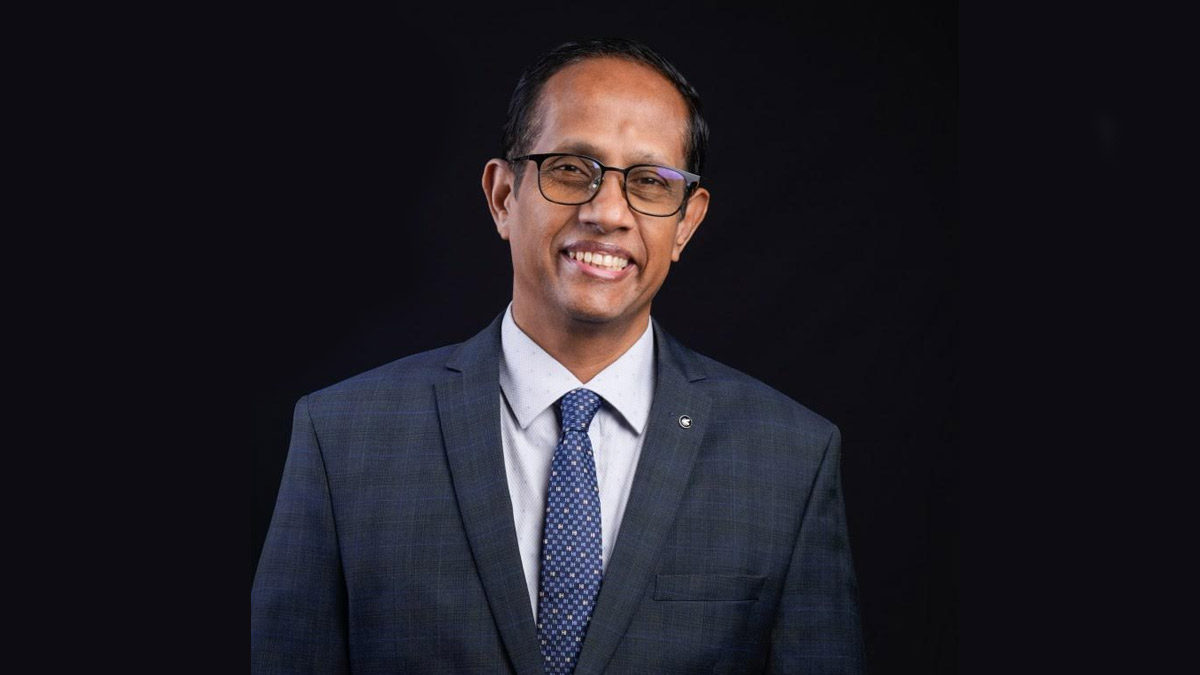
MUMBAI: YES Bank is not taking chances with risk anymore. The private lender has appointed S Anantharaman as its chief risk officer, a hire that signals the bank’s continued effort to rebuild credibility and tighten the controls that once famously slipped.
Anantharaman arrives from Jio Financial Services, where he served as group chief risk officer and built a risk management architecture spanning lending, payments, insurance broking and asset management from the ground up. Before that, he held the chief risk officer role at Bank of Baroda and senior leadership positions at HDFC Bank and L&T Finance Holdings. Three decades in banking and financial services, in other words, with scars and qualifications to match. He is a chartered accountant and a CFA charterholder.
At YES Bank, his brief is considerable. Anantharaman will oversee the bank’s entire enterprise-wide risk framework, covering credit policy, market risk, operational risk, information security, data governance, analytics, model governance and data privacy. It is, in short, every lever that matters when a bank is trying to prove it has grown up.
YES Bank’s turbulent past needs little rehearsing. What it needs now is exactly what Anantharaman has spent thirty years building: the kind of risk culture that stops problems before they become headlines. The appointment suggests the bank knows it.






