MAM
Pubnation: Cover prices form important part of print media revenue


NEW DELHI: In the last few years, the input costs for newspapers has gone up coupled with the economic slowdown. It has been a point of concern for the publishing houses as their business model is much tilted towards advertising.
At Pubnation, the virtual roundtable organised by Indiantelevision.com, in which representatives of leading media houses were present as panel members. This includes The Hindu chief revenue officer Suresh Balakrishna; Malayala Manorama VP marketing and ad sales Varghese Chandy; Punjab Kesari Group director Abhijay Chopra; Sakshi Media Group ED & CEO Vinay Maheshwari; HT Media Ltd executive director Rajeev Beotra; The Pioneer general manager Gurudatta Jha. The session was moderated by IndianTelevision.com Group founder CEO and Editor-in-chief Anil Wanvari.
Experts stressed that it is important to strike a balance between the cover price and advertising. Companies should not rely on one specific model to run the business.

Overdependence on this kind of business model is creating a lot of pressure.
In the past few years, many newspapers have been hiking their cover prices. Experts believe that it's a necessary measure. Right now, cover prices across publications are 35-40 per cent higher than what they were three-four years ago, said Maheshwari. “They are certainly going to go up further, but it is not because of Covid situation. We increased the cover price last month and have not lost an iota.”
Punjab Kesari also increased its cover price without any impact on its circulation, claimed Chopra. “I believe the cover price describes your product. The fact your newspaper is so expensive because you are putting in good content, and associating your brand to a premium level actually leads to an increase in ad prices. It will also help the advertiser movement,” he explained.
When it comes to pricing, Balakrishna proudly stated that The Hindu is the most expensive English newspaper in the country by a mile and a half – because of its great content, and users should pay for it. “We are at 63:37 the ratio of the advertiser to subscriber money. It is quite handsome for a newspaper. The moment you are less reliant on advertising revenue you can have proper pricing; you need not be pushed by media agencies.”
However, having a different view from the rest of the panelists, Jha asserted that the cover price does not contribute much to their revenue and the business was mostly dependent on advertising revenue. “Even if we think of increasing the cost price it will not help us, and in the last few years, we have not increased any cost price. Our newspaper is only Rs 3, and still, we are doing pretty fine, our e-papers are also free. We have 90 per cent advertising revenue and 10 per cent subscription.”







Brands
RR Kabel expands FMEG portfolio with kitchen appliances and air coolers
Company forays into mixers, cooktops and hand blenders under RR Signature brand.
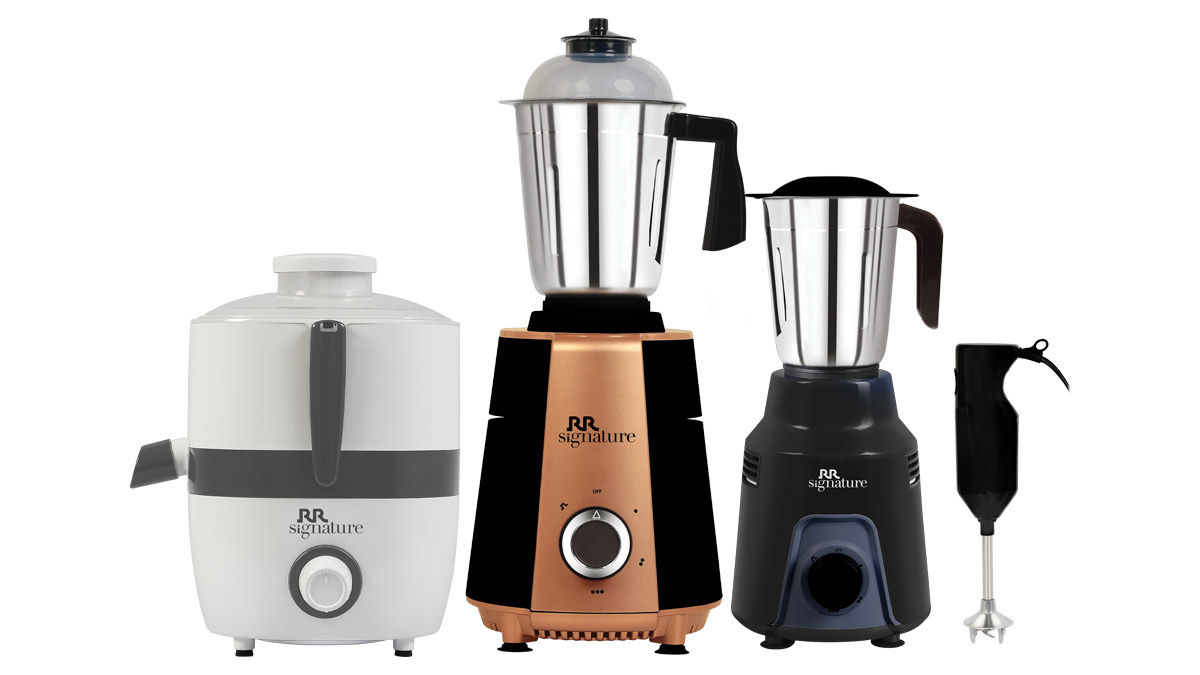
MUMBAI: RR Kabel has just cooked up something new and it’s not just another wire. The leading wires and cables manufacturer has announced a significant expansion of its Fast-Moving Electrical Goods (FMEG) portfolio by entering the kitchen appliances segment and strengthening its air coolers range under the premium RR Signature brand. The company has introduced Mixer Grinders, Electric Cooktops (both Induction and Infra-Red variants), and Hand Blenders. These products mark RR Kabel’s strategic foray into everyday kitchen essentials, allowing it to reach deeper into Indian households beyond traditional electrical categories.
The Induction and Infra-Red Cooktops are seeing particularly strong demand amid global developments affecting LPG pricing and supply. Consumers are increasingly shifting to electric cooking for its energy efficiency, precise control, and safety features. RR Signature is reinforcing its ‘Aapke Kaam Ki Baat’ promise with best-in-class warranties across the range.
The company also plans to introduce additional kitchen appliance categories in FY26-27. In parallel, it has expanded its Air Cooler portfolio with new Industrial (Semi-Commercial) models featuring higher tank capacities and superior air throw, catering to both commercial users and households seeking powerful cooling during intensifying summers.
RR Kabel executive director Mahhesh Kabra said, “Our expansion into kitchen appliances allows us to connect with consumers at more touchpoints in their daily lives, while our expanded air cooler range addresses the rising need for effective cooling solutions. These launches reflect our continued focus on quality, innovation, and market relevance.”
By stepping into kitchen appliances and enhancing its cooling solutions, RR Kabel is wiring itself more deeply into Indian homes proving that even a cables company knows how to heat things up in the kitchen and keep things cool elsewhere. The move positions the brand for broader growth as it evolves from wires to a more complete home solutions player.







