MAM
Pro Kabaddi League’s Telugu Titans rope in TVS Tyres as associate sponsor

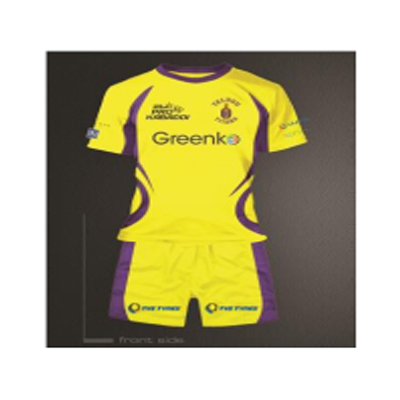
MUMBAI: In a bid to build the brand in the after-market segment, TVS Tyres has come on board as the official associate sponsor for Star Sports Pro Kabaddi League’s Telugu Titans.
The move also comes in the wake of introducing a new brand identity at the beginning of this year.

With Pro Kabaddi League being the second most watched sport show last year, TVS Tyres’ aim is not only to popularize the sport through this partnership, but to also utilise this platform to enhance the brand’s visibility across Andhra Pradesh and Telangana.
The brand will be supporting the team throughout all the matches, which will go on till 23 August. The matches in Hyderabad are being played from 4 – 7 August.
TVS Srichakra director P Vijayaraghavan said, “With the new mantra of our brand ‘Nayi Soch Nayi Pechaan,’ this initiative is taken to support a traditional sport, which is now being presented with a lot of freshness and indeed has tremendous prospect and possibility to become one of the most popular games.”
As a part of this partnership, the company has adopted various marketing strategies to promote the brand. To gain prominence, TVS Tyres’ logo is used in the Telugu Titans official website, in-stadia digital display and perimeter boards and BTL activations. The jerseys and shorts of players will also sport the TVS Tyres logo. Special autographed merchandise and mementos by players as well as VIP match tickets are being given to after-market dealers to endorse the brand as well as the sport.
To further strengthen and re-enforce the new brand identity amongst customers and dealers, the brand carried out on-ground activations that included a meet and greet session with the players as part of the consumer campaigns and promotional events. The products of the brand are displayed at the team’s home stadium in Hyderabad along with distribution of co-branded cheering merchandise and freebies.






Brands
Ofis Square appoints Yami Gautam Dhar as brand ambassador
Actress to champion flexible workspaces as company expands in Delhi NCR.
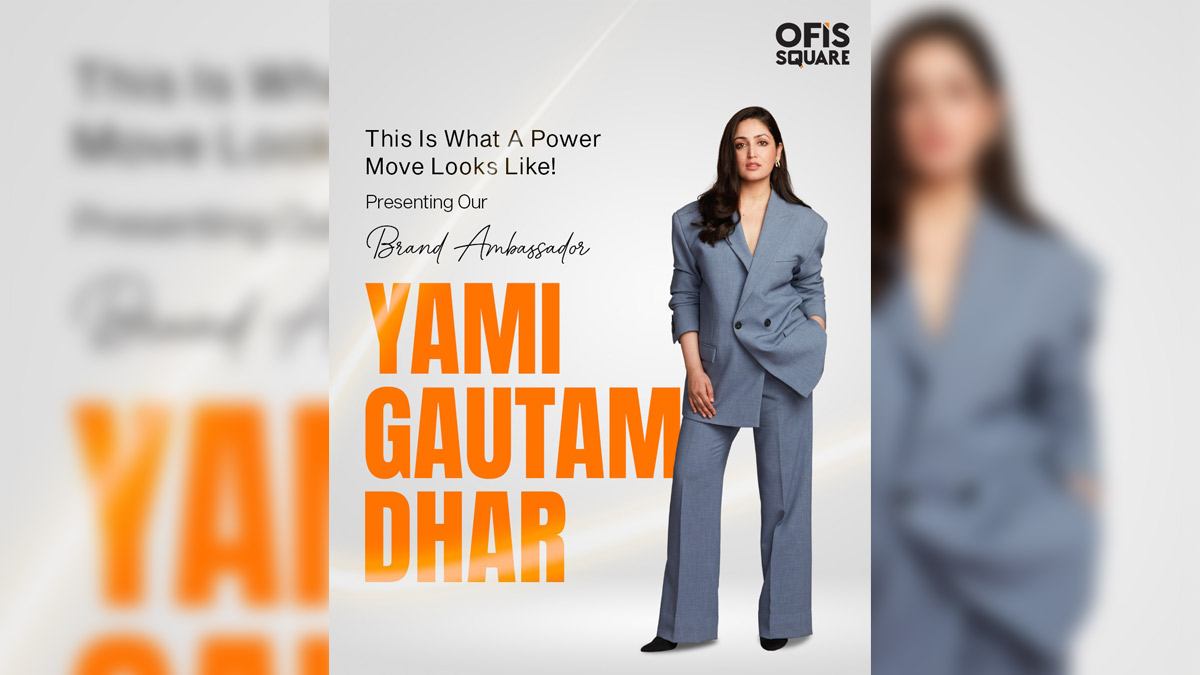
MUMBAI: Ofis Square has found its perfect workspace muse and she comes with star power and a grounded, ambitious vibe. The premium coworking and managed workspaces brand has announced the appointment of popular actress Yami Gautam Dhar as its brand ambassador. This marks a significant milestone as Ofis Square continues to rapidly expand its presence across Delhi NCR.
Since its inception in 2022, Ofis Square has carved a niche in the Indian corporate landscape with its “Future Works Here” philosophy. The brand focuses on creating thoughtfully designed, technology-enabled environments that foster innovation, collaboration, and the evolving needs of modern businesses.
Yami Gautam Dhar, known for her credible image and strong connection with modern Indian audiences, perfectly aligns with the brand’s aspirational positioning.
Ofis Square founder Saroj Mittal said, “Yami brings with her a credibility and an energy that genuinely reflects our community people who are ambitious, grounded, and serious about what they do. We’re proud to have her with us as we step into this next phase of growth.”
Yami Gautam Dhar expressed her excitement, “Ofis Square isn’t just building workspaces; it’s trying to change the conversation around how India works. There’s a whole generation of founders, freelancers, and business leaders working differently in spaces that actually inspire them. I’m excited to be part of a brand that’s building for them.”
The collaboration reflects Ofis Square’s commitment to strengthening its role in shaping India’s evolving workplace culture through community building, networking, and industry engagement.
In the competitive world of flexible workspaces, Ofis Square has made a smart move by bringing in a relatable and aspirational face. With Yami Gautam Dhar on board, the brand is set to make workspaces not just functional, but truly inspiring.







