MAM
Practo and RBL Bank launch India’s first health-focused credit card


MUMBAI: RBL Bank, one of India’s fastest growing private sector banks and Practo, India’s leading digital healthcare platform, have partnered to launch a co-branded credit card, powered by Mastercard. This Industry-first credit card, is available starting today, on both Practo and RBL mobile apps and websites.
In a world where people are increasingly busy to pay attention to their day-to-day health needs, this is an innovative step to encourage users to think health-first on a daily basis. The card is designed to cater to customers in both metros and non-metro cities, through Practo and RBL Bank’s extensive customer base that spans across the country. With benefits like unlimited online consultations with doctors 24*7, users are guaranteed that there is an experienced qualified doctor available to them whenever there is a need – instead of relying on self-diagnosis or advice from friends and relatives.
The benefits of RBL Bank Practo Plus credit card include:

Unlimited online consultations with doctors 24*7 for 1 year
One free full body health check-up
For every Rs. 100 spent on this card, cardholder earns 1 Practo HealthCash
HealthCash can be used while availing Practo services like ordering medicine, tests, online consultations (1 Healthcash = 1 Rupee)
The moment the credit card is issued, a Practo health plan account gets created on Practo app. The cardholders need to login with their registered mobile number to access this plan under the "MyHealth Plan" section on Practo. The card also offers two complimentary domestic airport lounge access every quarter.
At the launch of the card, Harjeet Toor, Head – Retail, Inclusion & Rural Businesses, RBL Bank, said, “We are delighted to enter into a partnership with Practo and launch a card that prioritizes good health and well-being. The partnership is a perfect example of how two diverse industries can come together to offer a compelling value proposition for customers. Healthcare is a largely untapped segment and this partnership will be a great opportunity for the Bank and Practo to leverage on each other’s strength to capture the market and offer customers a one-of-a-kind health card with exciting offers. The Bank’s credit cards business has performed extremely well this year and with this partnership we look forward to strengthen our business further by entering a new market segment.”
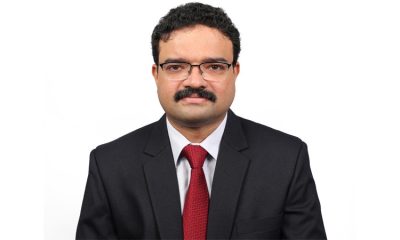
Commenting on the partnership, Tarun Bhambra, VP & Business Head, Practo, said: “We are delighted to partner with RBL Bank for launching a new credit card that is focused on making healthcare more affordable for consumers. We all have regular spends on appointments, medicine and diagnostic tests. This card gives a unique ability to consumers to use their regular spends for household expenses for subsidizing their monthly health spends on Practo platform. At Practo, it's our constant endeavor to make healthcare simpler, more accessible and affordable. This card is one step towards achieving this vision.”
Digital healthcare market is on a tremendous uptake in India and is expected to reach $372 bn by 2022. Practo is currently the only platform in the country that lets patients manage their healthcare needs end-to-end. It provides a single platform that helps patients meet all their healthcare requirements at one go – from finding the right doctor to booking an appointment, online doctor consultation, getting lab tests done and medicines delivered. The company also enables doctors to digitise their medical practice management – lowering practice management burdens and increasing efficiency – extend their reach and visibility to patients, and even establish credibility through a digital presence complete with details of practice history, qualifications and documented patient experiences.






MAM
Ameya Velankar steps down as Uber’s head of marketing for India & South Asia
Veteran marketer exits after more than seven years with the ride-hailing giant.
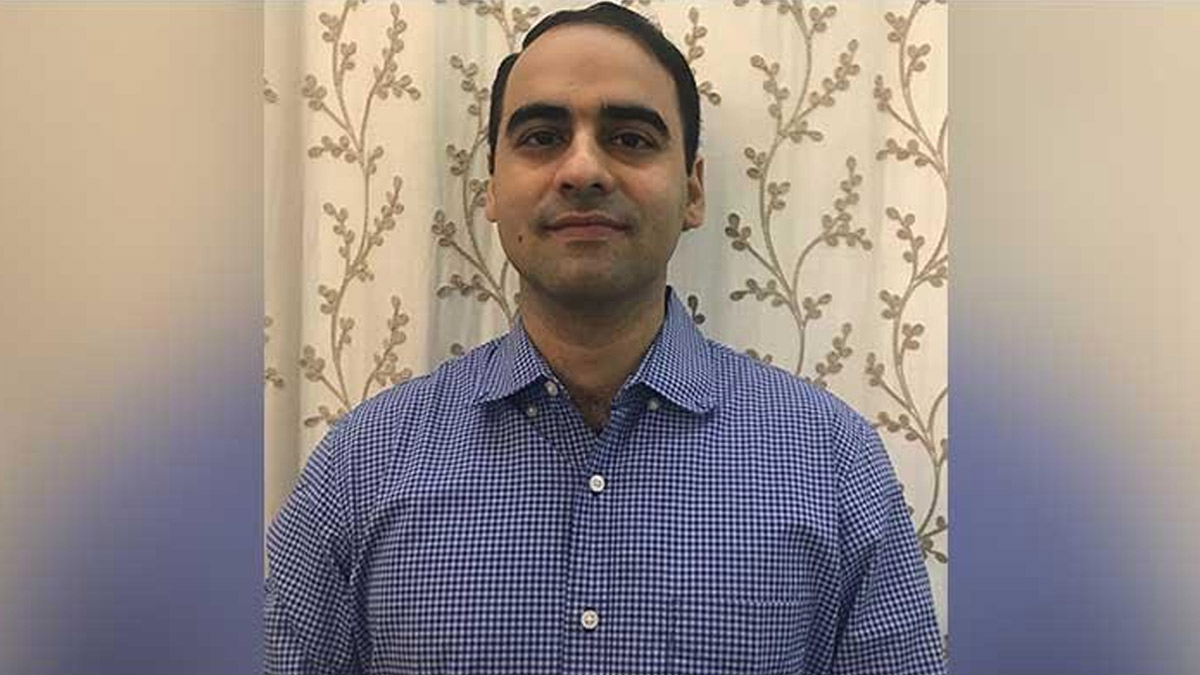
MUMBAI: After more than seven years of steering Uber through the bumpy roads of India’s mobility market, Ameya Velankar has decided to change lanes. Ameya Velankar has stepped down as Head of Marketing for India and South Asia, marking the end of a significant chapter at the ride-hailing company. He had been with Uber since 2019, taking on multiple roles in product and category marketing before rising to lead the marketing function for the region in 2021.
During his tenure, Velankar played a key role in strengthening Uber’s positioning in one of its most competitive and dynamic markets. He helped drive localised marketing strategies and scale adoption across key offerings such as Auto, Moto, Rentals and Intercity, tailoring global platforms to Indian consumer needs.
Prior to joining Uber, Velankar built his marketing expertise at leading consumer companies including SC Johnson and Marico, where he handled category and product leadership roles. His career began at RPG Enterprises.
Details of his next professional move have not been disclosed.
In a fast-evolving mobility landscape where brands constantly battle for attention, Ameya Velankar helped Uber stay relevant and resonant with millions of Indian users. As he moves on from the driver’s seat of marketing, the company will now look for fresh ideas to keep its wheels turning smoothly.






