MAM
PR Professionals wins digital brief for Bihar’s food distribution giant BSFC

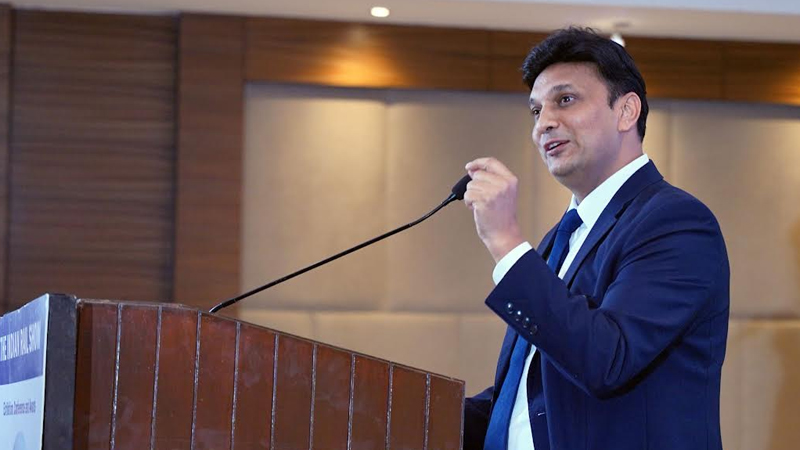
MUMBAI: In a significant nod to its growing influence in public sector communications, PR Professionals (PRP) has bagged the digital media mandate for the Bihar State Food & Civil Supplies Corporation Limited (BSFC), a vital cog in India’s public distribution machinery. The partnership aims to transform how BSFC communicates with the public, placing a spotlight on transparency, governance, and food security impact.
BSFC, which operates under the Food and Consumer Protection Department of Bihar, distributes essential commodities like rice, wheat, sugar and kerosene via over 45,000 fair price shops. It serves more than 76 million beneficiaries under schemes like Antyodaya Anna Yojana (AAY) and Priority Households. The corporation also handles grain procurement at minimum support prices and has rolled out the e-PDS platform to digitise supply chains across Bihar’s depots and godowns.
PR Professionals founder & MD Sarvesh Kumar Tiwari said, “We are honoured to partner with Bihar State Food & Civil Supplies Corporation, an institution that plays a critical role in safeguarding food security for millions. Our efforts will be focused on amplifying BSFC’s mission and impact through strategic digital outreach, fostering public trust, and showcasing the Corporation’s innovations in governance and service delivery. We see this collaboration as more than a mandate, it is a shared commitment to social good, transparency, and inclusive development”.

The win strengthens PRP’s hold in Bihar, where the agency already manages communications for the Bihar School Examination Board, the Department of Revenue and Land Reforms, Bameti, and the Patna Metro, among others. PRP was also behind the successful promotion and event execution for the 85 All India Presiding Officers’ Conference in Patna — a high-stakes government event featuring key legislative leaders from across the country.
Founded in 2011, PR Professionals is the flagship arm of the PRP Group and operates 12 offices in India and six overseas. The group also owns Confianza Consulting, a firm specialising in HR services including talent acquisition and compliance.

Brands
Vodafone Idea elevates Vineeth Jayendranath as VP, marketing head Mumbai
Telecom marketer takes charge of Mumbai circle with growth and brand focus
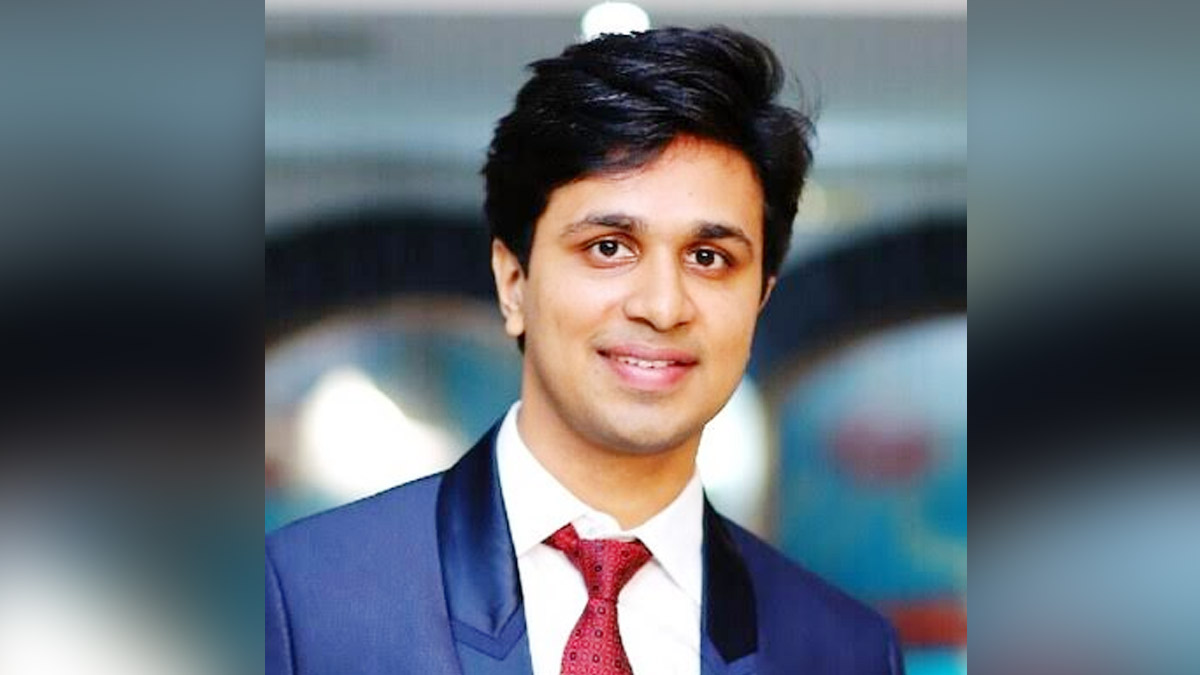
MUMBAI: Vodafone Idea Limited has promoted Vineeth Jayendranath to vice president, marketing head for the Mumbai circle, marking a key milestone in his career as the telecom operator sharpens its regional strategy.
In his new role, Jayendranath will lead marketing efforts across prepaid and postpaid segments in one of the country’s most competitive telecom markets. His mandate includes driving revenue growth, strengthening brand positioning, and deepening customer engagement, while also managing profit and loss responsibilities for the circle.
Sharing the update, Vineeth Jayendranath said, “Excited to share, I am starting my new stint as Vice President, Marketing Head for Mumbai circle at Vodafone Idea Ltd. Would like to thank everyone who has supported me in this journey.”
Jayendranath brings over 12 years of experience spanning telecom and IT, with a strong focus on customer value management and data-led marketing. Since joining Vodafone Idea, he has held multiple leadership roles, most recently serving as general manager leading customer value management and prepaid business across Gujarat, Maharashtra and Goa.
During this period, he handled large subscriber bases and multi-billion rupee revenue portfolios, while rolling out hyper-personalised campaigns and a “segment of one” strategy to improve customer retention and upgrades. He also championed a digital-first approach, pushing adoption of data services and unlimited plans through targeted, insight-driven initiatives.
Earlier, he worked with Idea Cellular Ltd in strategy and business intelligence roles, and began his career at Infosys as a systems engineer. A brief stint at Hyundai Motor India Ltd during his internship added early exposure to marketing strategy.
An alumnus of SVKM’s Narsee Monjee Institute of Management Studies, Jayendranath has steadily built a reputation for combining analytics with marketing execution.
His elevation comes as telecom players double down on circle-level strategies to stay competitive, and Vodafone Idea appears to be betting on data-backed marketing to keep Mumbai firmly in its corner.







