MAM
PR agency Adgcraft plants flag in India’s tech capital

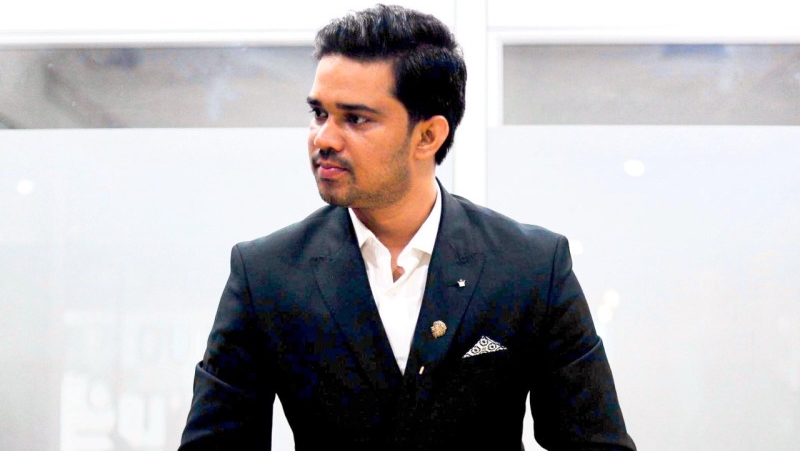
BENGALURU: Every PR agency in India eventually opens a Bengaluru office. Adgcraft has now joined the queue. The Noida-based communications firm, founded in 2021, launched its sixth office in the Karnataka capital, positioning itself to service clients from India’s sprawling startup and technology ecosystem.
The new operation at Awfis, Samrah Plaza in Ashok Nagar targets startups, corporates, tech firms and artificial intelligence companies—basically anyone with a pulse and a communications budget in a city teeming with thousands of IT companies and global tech giants. Adgcraft already works with over 200 brands across banking, lifestyle, hospitality and emerging tech. The Bengaluru push aims to deepen that roster whilst building a 25-person team by 2026.
Adgcraft managing director Abhinay Kumar Singh delivered the obligatory enthusiasm. “We are excited to open our new office in Bengaluru, the tech capital of India,” he said, calling the expansion a step towards “empowering brands by combining creativity with strategy.” The agency’s motto—”Your story is your strength, and communication is ours”—suggests it’s not shy about self-promotion.

Adgcraft operates three verticals: Adgcraft Communications, Adgcraft AI and Adgcraft Global. The Bengaluru office will drive operations in social media, performance marketing, video production and event management, alongside traditional PR mandates like media relations, crisis communications and reputation management. The agency claims experience with international clients from the US, south Korea and other markets, though it didn’t name them.
Four years is lightning speed in the agency world. Adgcraft has already spread across Noida, Lucknow, Mumbai and Gujarat before landing in Bengaluru. Whether that pace reflects genuine growth or overextension remains to be seen. India’s PR industry is fragmented and fiercely competitive, with established players like Adfactors, Genesis BCW and Weber Shandwick dominating corporate mandates whilst boutique agencies chase startups.
Singh claims that Adgcraft is “one of India’s most trusted PR agencies.” Trust takes time to build, especially in an industry where reputation is currency; and he seems to have managed to gain it, going by the number of clients on the agency’s roster.
Bengaluru offers plenty of opportunity, but also plenty of rivals who’ve been working the city’s startups and tech giants for decades. Adgcraft’s challenge is going to be proving it can deliver results that justify the expansion into the tech gold mine.







Digital
OpenAI’s Stargate lead Peter Hoeschele exits with two senior leaders
Trio behind compute push set to join new startup amid leadership reshuffle
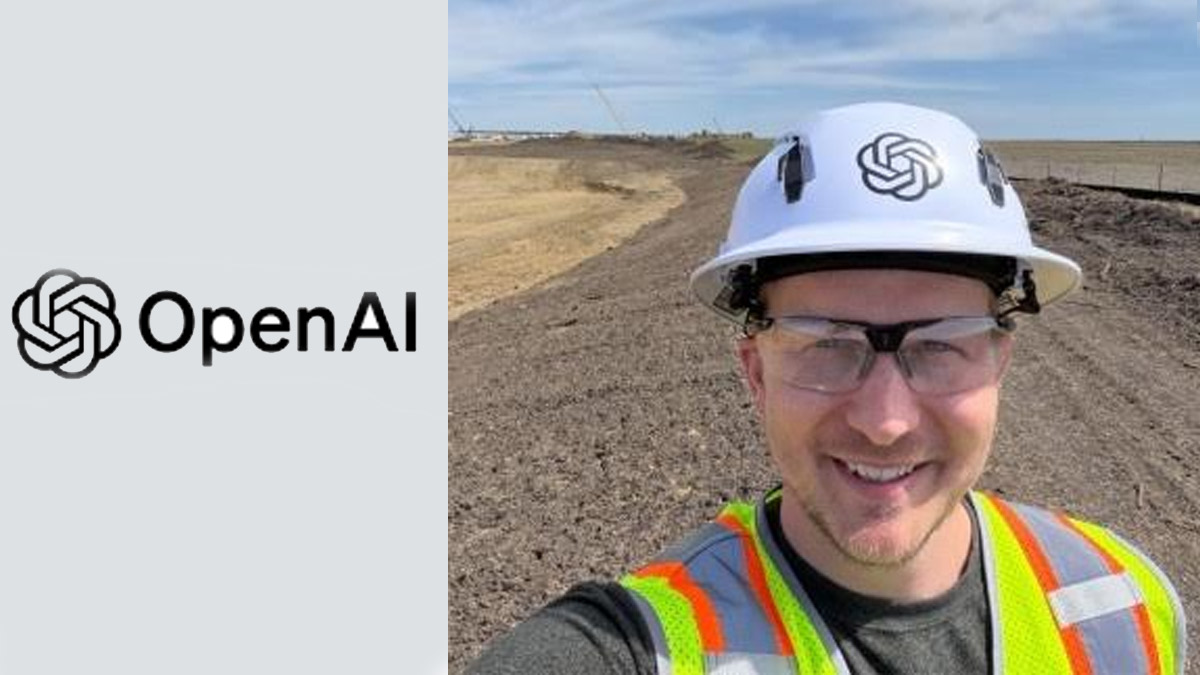
SAN FRANCISCO: Peter Hoeschele, a key figure behind OpenAI’s early Stargate data centre initiative, has exited the company, according to a report by The Information.
The departure is part of a broader leadership shift, with two other senior executives, Shamez Hemani and Anuj Saharan, also set to leave in the coming days. All three are expected to join the same new startup, although details about the venture remain under wraps.
The trio played a central role in OpenAI’s Stargate effort, an initiative aimed at building large-scale data centre capacity in-house to reduce reliance on external infrastructure providers. Their exits mark a notable moment for the company’s compute strategy as it continues to scale rapidly.
OpenAI spokesperson said in a statement to The Information, “We’re grateful for the contributions Peter, Shamez, and Anuj have made to OpenAI and wish them the very best in what comes next.” The company also pointed to the recent appointment of Sachin Katti to lead its industrial compute organisation, signalling continuity in its infrastructure roadmap.
OpenAI has indicated that it does not plan to directly replace Hoeschele’s role, suggesting a possible restructuring of responsibilities within the team.
As competition intensifies in the race to build next-generation AI systems, leadership changes in core infrastructure teams are likely to draw close attention. For now, the spotlight shifts to what this departing trio builds next, and how OpenAI adapts as it scales its ambitions.






