MAM
PivotRoots acquires DeepFlux


Mumbai: The digital marketing agency, PivotRoots has acquired DeepFlux, a MarTech consultancy, for an undisclosed amount. The company will integrate DeepFlux into its Martech lab and consulting division, PivotConsult, in line with its vision to build a result-oriented marketing lab of the future.
Deepflux Co-founder Abhimanyu Vyas will join Yogesh Kothari in leading the new entity PivotConsult as business head. Tarun Taneja who had joined as a late-stage co-founder at DeepFlux would continue being a part of PivotConsult. He was heading AI and ML at DeepFlux & will continue to lead for the joint entity.
Speaking on the acquisition, DeepFlux co-founder Abhimanyu Vyas said, “We believe this association will prove to be a game-changer in serving the needs of Indian and global customers with data analytics and ML-based marketing solutions, especially in the Direct to Consumer(D2C) solutions space to stronghold their pivot’s marketing strategy.

PivotConsult Business head Yogesh Kothari said, “Abhimanyu & team have done a great job in shaping up Deepflux in the last 3 years. They have built some great products across retail, entertainment and digital acquisition pieces and have done some great work in the measurement & CDP part, the acquisition will help us grow faster, with DeepFlux we are already a 35-member team doing some great work for clients across verticals.”
“Our vision is to build a result-oriented marketing lab and consulting vertical that will drive greater efficiencies and outputs for our current and future clients. I am delighted to welcome Abhimanyu, Tarun and the DeepFlux team to PivotRoots as we continue to strengthen our offer to local and global brands,” added PivotRoots Co-founder & Managing Director Shibu Shivanandan.
DeepFlux’s client base includes Disney, Grasim Industries, Fox Studios, Tata Starquik, Damensch, Woodland, GFK, and AT Kearney amongst others.







MAM
Beacon Group appoints Dr Rajesh Patel as Group CEO
36-year healthcare veteran to lead Beacon Diagnostics, Vector Biotek, Biogeny.
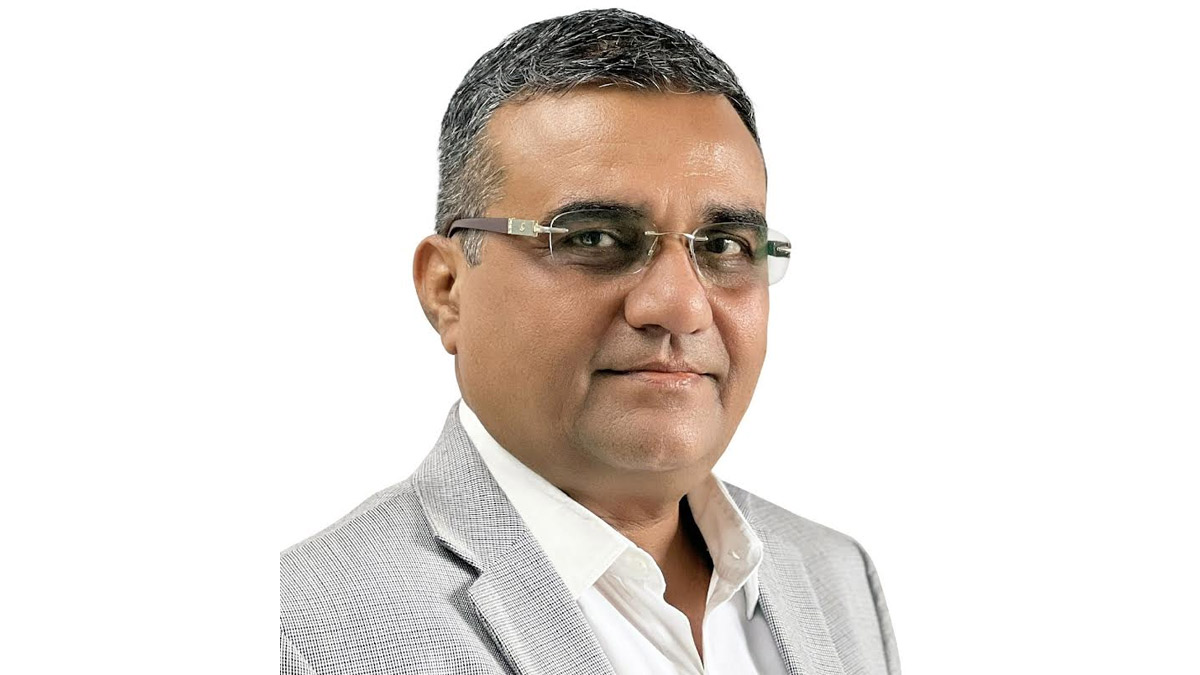
MUMBAI: A new chief, a fresh diagnosis and a sharper prescription for growth. Beacon Group has appointed Dr Rajesh Patel as its Group Chief Executive Officer, effective April 1, 2026, signalling a decisive push to scale its presence in the diagnostics and IVD space. Patel steps into the role with 36 years of experience across the healthcare and diagnostics industry, bringing a career shaped by leadership roles spanning sales, marketing, business development and operational strategy. His mandate is both expansive and precise: to steer the group’s overall strategic direction while tightening coordination across its three core entities Beacon Diagnostics, Vector Biotek and Biogeny Diagnostics.
In practical terms, that means driving cross-company synergies, accelerating market expansion and strengthening organisational capability areas increasingly critical as diagnostic players compete for scale in a fragmented yet rapidly evolving healthcare ecosystem. The group is positioning itself to capture unmet demand across chain laboratories, key accounts and standalone labs, segments that remain underserved despite growing diagnostic needs.
The appointment comes at a time when the In Vitro Diagnostics (IVD) sector in India is entering a more competitive and innovation-led phase, with companies focusing not just on product pipelines but also on service delivery, integration and customer-centric models. Beacon’s leadership appears to be betting that Patel’s execution-focused approach can help translate ambition into operational momentum.
Welcoming the appointment, Chairman Dr D K Joshi described Patel’s induction as a strategic move aligned with the group’s long-term vision, emphasising the role of leadership depth in navigating the next phase of growth.
For Beacon Group, the message is clear, in a sector where precision matters, leadership is the new differentiator—and this appointment is intended to set the tone for what comes next.






