MAM
Pimpri Chinchwad Corporation invites outdoor tenders

MUMBAI: Pimpri Chinchwad Municipal Corporation (PCMC) has invited sealed quotations from experienced agencies, advertisers and prospective entrepreneurs for grant of advertising rights of outdoor advertising media viz hoardings, unipoles, kiosks and balloons.
The deal will be for a period of six years, to be erected / installed on public places as specified by PCMC which manages the civic affairs of the city of Pimpri-Chinchwad and has emerged as one of the biggest industrial cities of Maharashtra.
Types of media
Tenderable Groups
E.M.D
Hoarding along different roads 15 groups of 7-11 hoardings each Rs.10,000 per group
Unipoles 7 nos. at various roads in seven groups Rs.10,000 per group
Kiosks on street poles 1500 nos. at various roads in a single group Rs.10,000 per group
Maximum E.M.D. Rs 1,00,000 per applicant
Cost of information booklet Rs 3,000 per booklet
Cost of tender form Rs 100 per tender able group per media
The notice placed by the Municipal commissioner in a daily newspaper says that the information booklet and tender forms of the above advertising media will be available from 23 April to 7 May 2003 at the Stores Department, Pimpri Chinchwad Municipal Corporation Head Office, Ground Floor, Pimpri, except Sundays and holidays in working hours on payment by cash.
Tender forms duly completed in all respects accompanied by all the documents as specified in the tender document should reach the Stores Department latest by 1 pm on 8 May, 2003.

The bids will be opened on the same day at 4 pm or on any other day and the same will be informed to all the bidders.




Brands
Charlotte Tilbury opens first flagship store in India
Luxury beauty brand bets on immersive retail as India expansion gathers pace
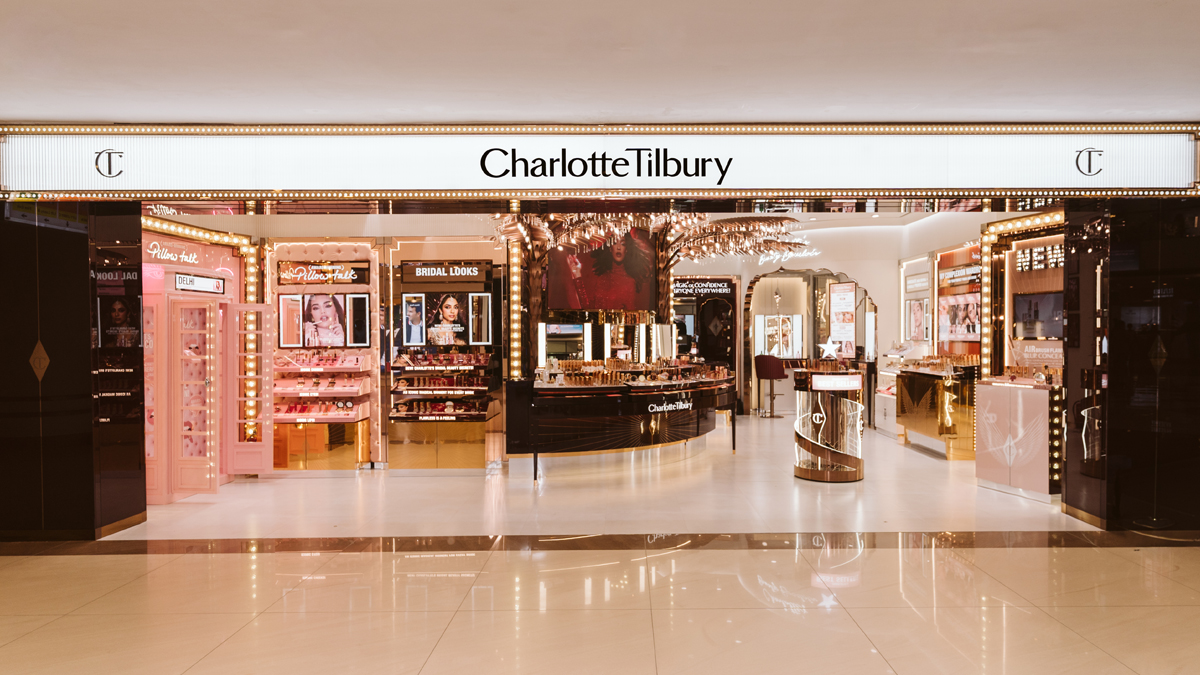
NEW DELHI: Charlotte Tilbury has opened its first flagship Beauty Wonderland in India, planting a high-glamour marker in New Delhi as global beauty brands double down on the country’s fast-growing premium market.
Located at Nexus Select Citywalk in Saket, the store is operated end-to-end by Nykaa, deepening a partnership that began with the brand’s digital launch in India in 2020 and has since scaled across retail, marketing and distribution. The opening signals a shift from marketplace presence to standalone brand environments as companies chase long-term equity and consumer loyalty.
The launch was marked by an event on April 9 featuring actor Sobhita Dhulipala, the brand’s first beauty muse in India, underscoring Charlotte Tilbury’s growing cultural push in the market.
“Darlings, I am so excited to open my first-ever flagship Beauty Wonderland in India, in its vibrant and iconic capital, New Delhi,” said Charlotte Tilbury. “This is such a magical milestone for the brand as we continue to grow in one of the world’s most dynamic and exciting beauty markets.”
Tilbury highlighted the brand’s connection with Indian consumers. “India has always been a place of incredible beauty, celebration and transformation. I have been so inspired by the artistry, creativity and passion of our community here. They are true beauty connoisseurs that appreciate next-generation formulas,” she said.
The store is designed as an immersive retail experience, blending the brand’s Art Deco and old Hollywood aesthetic with local cues. A bespoke Royal Indian Arch anchors the space, alongside personalised makeup services tailored to Indian trends and occasions. A dedicated bridal looks wall nods to the country’s strong wedding-led beauty market, while interactive elements such as the Pillow Talk photowall and in-store masterclasses aim to drive engagement.
For the first time in India, the full Charlotte Tilbury portfolio is available under one roof, spanning makeup, skincare and fragrance, including the Fragrance Collection of Emotions and bestsellers such as Magic Cream, Airbrush Flawless Blur Concealer and Pillow Talk products.
Nykaa, which operates 57 doors for the brand alongside its app and website, will now lead end-to-end management of Charlotte Tilbury’s exclusive boutiques in India, covering retail operations, staffing, supply chain, marketing and omnichannel integration.
“Charlotte Tilbury has been one of our most successful and strategic global partnerships,” said Anchit Nayar, executive director and chief executive officer, Nykaa Beauty. “The launch of the first exclusive boutique, fully operated by Nykaa, is a natural next step and reflects our shared long-term commitment to building the brand in India.”
Nykaa’s broader beauty playbook, built on digital-first entry followed by omnichannel scale, now reaches over 42 million consumers and has become a template for global brands entering India. The retailer currently serves 52 million customers through its platforms and runs 276 offline beauty destinations, reinforcing its position as a gateway for international labels.
Charlotte Tilbury, founded in 2013, now operates in over 50 markets with more than 3,000 employees and 500 products across categories, with over 3,000 distribution points globally.
A second standalone store is slated to open at Mall of India in Noida in May 2026, signalling an aggressive retail push.
In a market where beauty is fast turning from aspiration to everyday indulgence, Charlotte Tilbury is not just selling products. It is building theatre, and betting that Indian consumers are ready to buy into the spectacle.






