MAM
Pickleball auction serves up Rs 6.6 crore as global stars join the rally

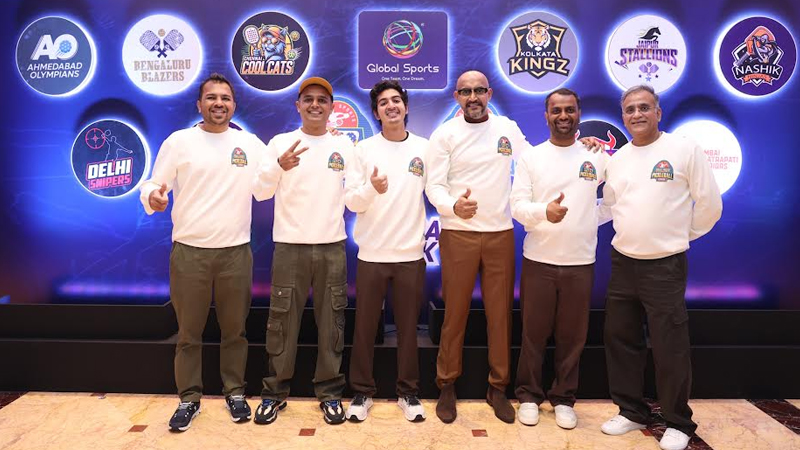
MUMBAI: Pickleball has smashed its way into the big leagues. The Global Sports Pickleball (GSP) Season 2 Pro & Challenger League Auction in Mumbai turned into a sporting spectacle, with 10 teams battling it out for talent worth a potential Rs 6.6 crore. Each franchise had a player budget of Rs 66 lakhs Rs 55 lakhs for the Pro League and Rs 11 lakhs for the Challenger League setting the tone for a season that promises fierce rallies on and off the court.
The headline-grabbing deal of the day was 19-year-old Quang Duong from Vietnam, who went for a whopping Rs 27 lakhs to Mumbai Chhatrapati Warriors, proving youth is just as prized as experience. Close behind was Megan Fudge (USA), snapped up by Ahmedabad Olympians for Rs 25.5 lakhs, followed by fellow American Jack Munro at Rs 25 lakhs for Jaipur Stallions. The Delhi Snipers pulled the trigger on Bobbi Oshiro (USA) for Rs 24.5 lakhs, while Hyderabad Vikings secured Roos Van Reek (Netherlands) at Rs 23.5 lakhs. With ages spanning late teens to late thirties, the Pro League’s top buys showed the perfect blend of fresh legs and seasoned grit.
Indian players weren’t far behind in the bidding wars. Harsh Mehta led the Pro League pack with a Rs 21 lakh signing for Chennai Cool Cats, followed by Arjun Singh at Rs 8 lakhs for Nashik Ninjas and Aditya Ruhela at Rs 5 lakhs for Jaipur Stallions. In the Challenger League, homegrown talent sparkled Mihika Yadav was signed by Mumbai Chhatrapati Warriors for Rs 4.4 lakhs, Aman Patel by Jaipur Stallions at Rs 4 lakhs, and Tejas Gulati by Coimbatore Super Smashers at Rs 3.7 lakhs.

The Challenger League also brought international flair, with Leah Tauber (India) topping the charts at Rs 5.2 lakhs for Delhi Snipers, followed by Mihika Yadav and Alex Emery (USA) at Rs 4.2 lakhs for Ahmedabad Olympians. With base bids starting as low as Rs 50,000 and soaring much higher thanks to intense franchise battles, the auction underscored the sport’s rapid rise.
All 10 franchises, Ahmedabad Olympians, Bengaluru Blazers, Chennai Cool Cats, Coimbatore Super Smashers, Delhi Snipers, Hyderabad Vikings, Jaipur Stallions, Kolkata Kingz, Mumbai Chhatrapati Warriors, and Nashik Ninjas walked away with talent to watch.
Calling it a watershed moment Pickleball Growth chief architect Hemal Jain said the competition reflected the “groundwork being laid for pickleball to become a mainstream professional sport in India.” Co-founder of Global Sports and filmmaker Shashank Khaitan added that the event not only showcased fierce bidding and top-tier players but also “helped build a sustainable sports ecosystem for the long haul.”
With Rs 6.6 crore in play, marquee global names in the mix, and Indian youngsters stepping into the spotlight, Season 2 looks set to make pickleball not just a pastime, but a primetime passion.



Brands
Funskool India crosses US$40 million turnover in FY 2025-26
Toy manufacturer posts steady growth despite global headwinds.
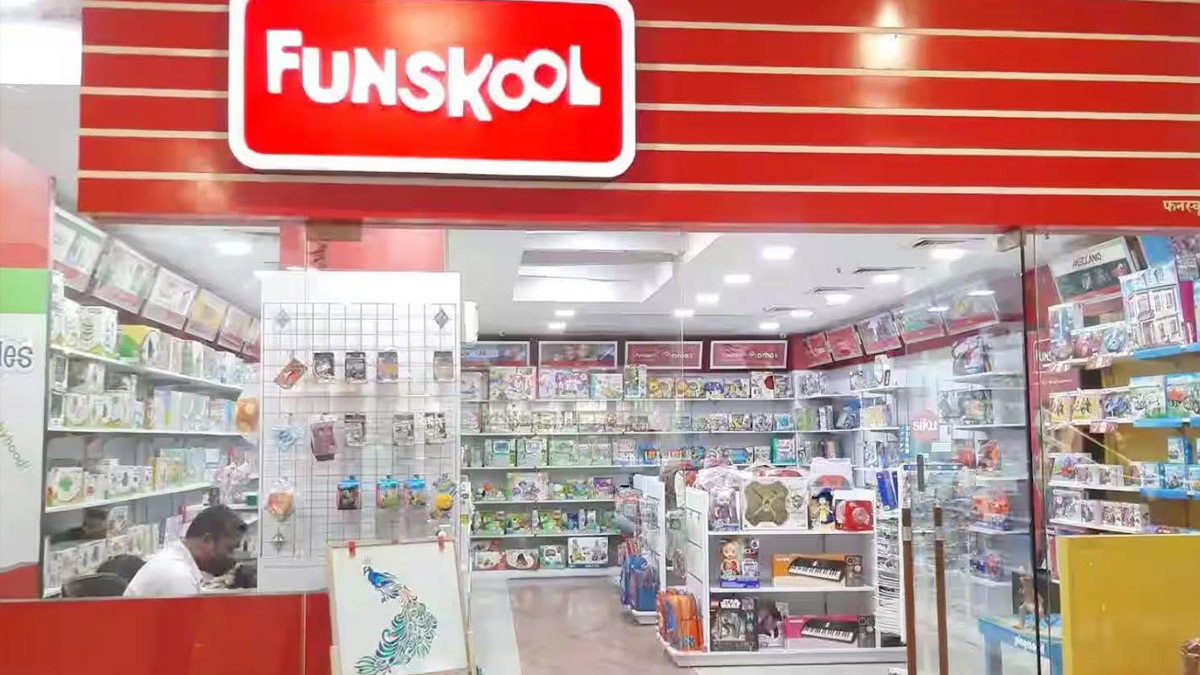
MUMBAI: Funskool India has played its cards well turning challenges into steady growth while keeping the fun alive in the toy business. The country’s leading toy manufacturer has reported a turnover of $40 million in FY 2025-26, demonstrating resilience in a difficult global environment. The company recorded an average growth of 14 per cent over the past two years, with exports growing at a healthy 19% year-on-year.
While domestic business grew at a modest single-digit pace, Funskool saw encouraging traction in key categories such as Fundough (dough) and Handycrafts (arts & crafts).
Funskool India Ltd. CEO K.A. Shabir said, “We successfully navigated the challenges posed by US tariffs last year and continued to grow both our export and domestic businesses. Given the ongoing geopolitical situation in West Asia, we are currently working with a moderate growth outlook of 12–15 per cent, with plans to revisit our targets after Q1 once the situation stabilises.”
He highlighted strengthened partnerships with global companies including Spin Master (Canada), Moose Toys (Australia), Melissa & Doug (USA), Asmodee (France), Learning Resources (USA), and Buffalo Games (USA). The expansion of the company’s Goa plant is progressing and is expected to be completed by the end of the current financial year.
Looking ahead, Funskool expects a significant shift in domestic growth momentum for FY 2026-27, driven by new categories such as friction vehicles under the brand “BlazeTrix”, remote-control cars under “VoltRush”, and the addition of popular licences like Paw Patrol.
In an industry where playtime never stops, Funskool has shown that even in turbulent times, a smart strategy and strong partnerships can keep the business ticking along nicely. As it gears up for the next financial year, the company appears well-positioned to build on its solid foundation and bring even more joy to children worldwide.







