MAM
P&G India treads the green path, becomes ‘plastic waste neutral’


Mumbai: Consumer goods major Procter & Gamble (P&G) India said it has become ‘plastic waste neutral’ in the past FY, April 2021–March 2022. The company made this announcement during its ‘It’s Our Home Sustainability Summit’ held here on Thursday. With this, P&G becomes the first few FMCG companies in India to achieve plastic waste neutrality.
“The company has collected, processed, and recycled over 19,000 MT of post-consumer plastic packaging waste from across the country which is more than the amount of plastic packaging in its products sold in a year,” said the conglomerate in a statement.
P&G India also announced that it will set up two more in-house solar plants at its manufacturing sites in Goa and Mandideep in India. This is in addition to the existing in-house solar plant that the company set up at its Hyderabad manufacturing site in 2021. P&G will be among the first few FMCG companies in India to have three in-house solar plants across its manufacturing sites, according to the consumer goods major.

P&G is working with recycling partners across 75 cities in India to collect plastic which is then sent to different recyclers, waste to energy plants, and cement kilns. In addition to recycling, the company has also made a deliberate effort to reduce the packaging material and in the last five years has reduced usage of packaging material by more than 5,000 MT, according to the statement.
“We are proud of the significant progress we have made on environmental sustainability, and achieving ‘plastic waste neutrality’ is a key milestone in this journey,” said Procter & Gamble – Indian sub-continent CEO Madhusudan Gopalan. “Plastic waste does not belong in the environment, and we will continue to partner with multiple stakeholders in our efforts to reduce and recycle packaging waste.”
“We are also taking a deliberate approach to reducing the impact of our operations, and setting up in-house solar plants is a step in this direction. We have made strong progress across our brands, our supply chain, our operations with support from our partners and employees. We are fully committed to making a positive impact in the world and creating a sustainable future for generations to come,” he further said.
In recent years, the company has made significant progress on environmental sustainability which can be seen across its operations and brands. According to the company, these include:
· All P&G manufacturing sites in India are ‘zero manufacturing waste to landfill’
· Five P&G India sites have already achieved the 2030 P&G global target of 35 per cent water efficiency
· P&G India purchases 100 per cent renewable electricity for all its manufacturing sites in India
· P&G’s fabric care brands in India Ariel and Tide continue to be phosphate-free since 2015, thus helping preserve the quality of water resources
· The liquid detergent bottles of fabric care brand Ariel are recyclable
· Using recycled material in the packaging of its baby care and feminine care products which will reduce the usage of 500 MT of virgin plastic annually
The conglomerate further said it aims to achieve net-zero greenhouse gas (GHG) emissions across its operations and supply chain, from raw material to retailer by 2040.





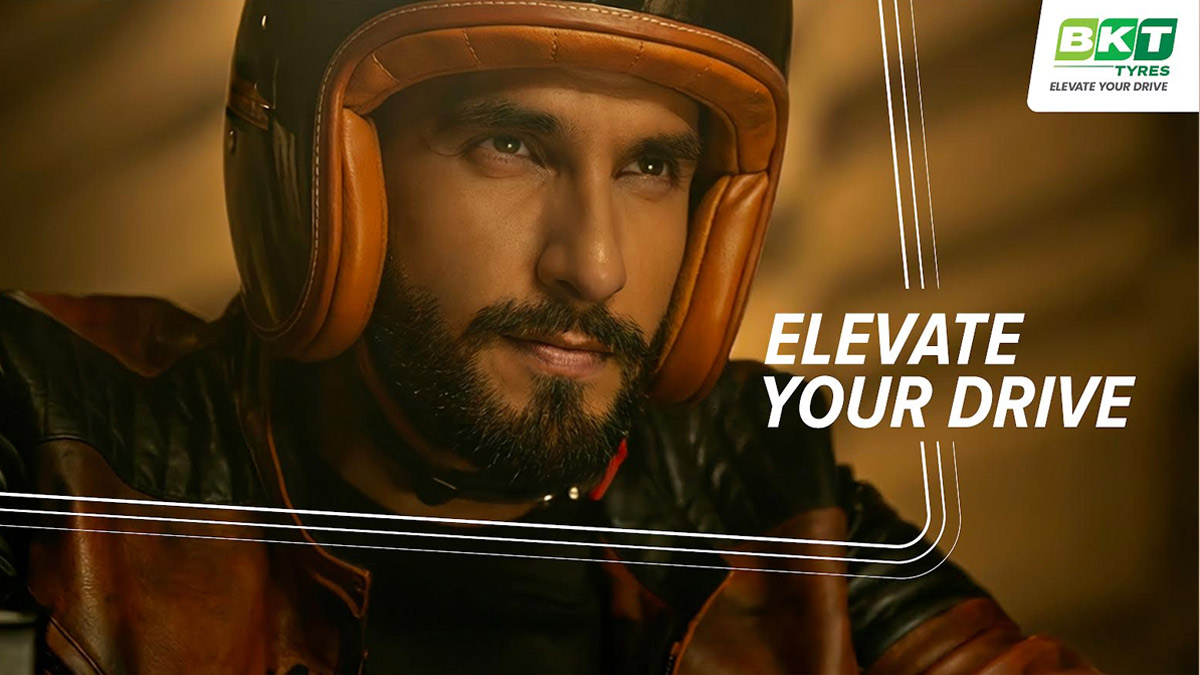
MUMBAI: BKT Tyres has decided to roll into the two-wheeler world with some serious jurrat and it’s brought Ranveer Singh along for the ride. The off-highway tyre specialist has unveiled its new campaign, ‘Jurrat’, marking a strategic push into India’s massive two-wheeler segment. The high-energy TV commercial, featuring brand ambassador Ranveer Singh, debuted on 3 April 2026 during the Indian Men’s T20 League 2026.
The campaign revolves around the core belief that true confidence on the road comes from dependable performance beneath you. ‘Jurrat’ (meaning courage) captures the mindset of riders who navigate dynamic and often unpredictable daily commutes with determination. It brings BKT Tyres’ brand philosophy ‘Elevate Your Drive’ into the two-wheeler space by spotlighting three key product benefits: long life, exceptional road grip, and unmatched comfort.
BKT Tyres chief marketing officer for India Mahesh Koppad said, “India’s two-wheeler segment reflects the way the country moves, works, and progresses every day. ‘Jurrat’ highlights how performance-led tyres, engineered for long life, comfort, and grip, enhance the overall riding experience and support uninterrupted progress in everyday life.”
The campaign is being rolled out across television and digital platforms with high-impact placements to ensure maximum reach and engagement.
This launch represents BKT Tyres’ calibrated expansion from its stronghold in off-highway tyres to becoming a more holistic mobility brand, addressing the everyday transportation needs of millions of Indian riders who rely on motorcycles and scooters as their primary mode of transport.
In a segment where confidence is everything, BKT Tyres is betting that a combination of bold celebrity appeal and strong product performance will help it gain serious traction on Indian roads. The campaign signals that the company is ready to move beyond its traditional turf and accelerate in the fast-paced two-wheeler market.






