MAM
P&G India appoints Mukta Maheshwari as its chief marketing officer

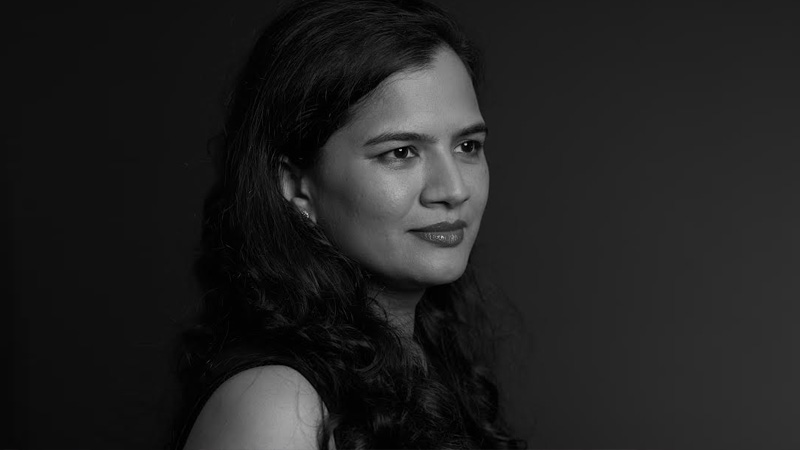
Mumbai: Procter & Gamble India, maker of brands like Ariel, Whisper, and Gillette, has appointed Mukta Maheshwari as the company’s chief marketing officer (CMO) effective 1 September.
Along with leading the marketing function, Maheshwari will also head the fabric care category for P&G India. She brings with her a rich work experience of over two decades. She joined P&G in 2007 in Singapore and has since worked across five brands across three different countries. Prior to assuming her new role as the chief marketing officer and fabric care category head, Maheshwari served as the vice president, fabric enhancers in the ASEAN region, based out of Singapore and was instrumental in delivering double digit top and bottom line for Downy in ASEAN. This was enabled by, among multiple other aspects, the launch of Downy Natural Essential oil scents range, which was spearheaded by her.
Speaking about her new role, Maheshwari said, “I am thrilled to kickstart the next phase of my journey with P&G and coming back to India, after having the opportunity to work across multiple roles in the region, including Singapore and Philippines. P&Gs philosophy of touching and improving lives truly resonates with me, and I am glad that my new role will enable me to continue aspiring to positively impact our consumers, communities, and people. India continues to be an important market for P&G globally, as we continue to delight the consumers with our superior brands. These are exciting times, and I look forward to contributing to the growth of P&G in India, together with our people who are the backbone of this resilient and empowered organization.”

Maheshwari is an MBA from the Indian Institute of Management, Calcutta and holds a degree in Aerospace Engineering from Indian Institute of Technology.
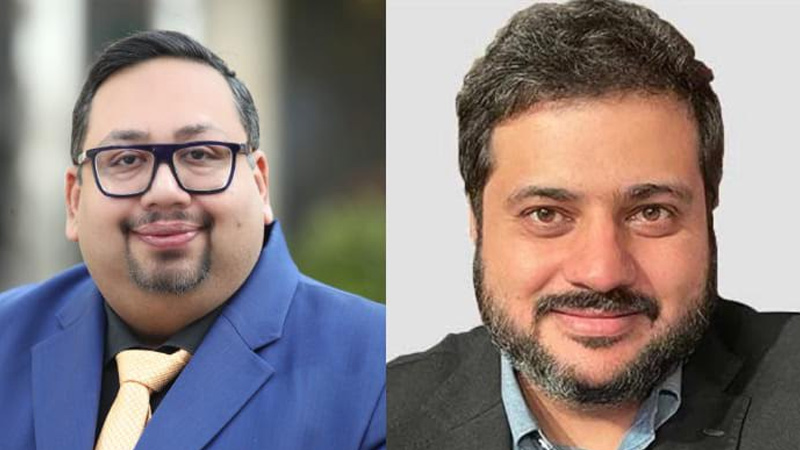
Maheshwari takes over from Sharat Verma in the role, who has been elevated as the senior vice president – fabric care for P&G India, Middle East, and Africa (IMEA) and will spearhead the efforts based out of Dubai. Under Sharat’s leadership over the last four years, P&G has stepped up on its brand building efforts, leading many innovative solutions and campaigns that are not just a force for growth, but also a force for good. This is reflected not just in the growth of the brands, but also multiple external recognition – national and global – that the brands have garnered over the years on iconic initiatives like Ariel #ShareTheLoad, Whisper #KeepGirlsInSchool, etc.
Sharing his perspective, Verma said “It has been my privilege and an absolute honor to serve as the CMO for P&G India. The journey has been rewarding and one filled with immense learnings. From every campaign that captured hearts, to each innovation that reshaped industries, our commitment to delivering exceptional results stands as a testament to our unwavering pursuit of excellence. Together, we raised the bar on consumer centricity and brand building and reinforced our brands as both – a #ForceForGrowth and a #ForceforGood. As I extend a warm welcome to Mukta, I am confident that our legacy will continue to thrive, inspiring new heights of creativity, impact, and success. I am only optimistic about what the future holds.”


MAM
Beacon Group appoints Dr Rajesh Patel as Group CEO
36-year healthcare veteran to lead Beacon Diagnostics, Vector Biotek, Biogeny.
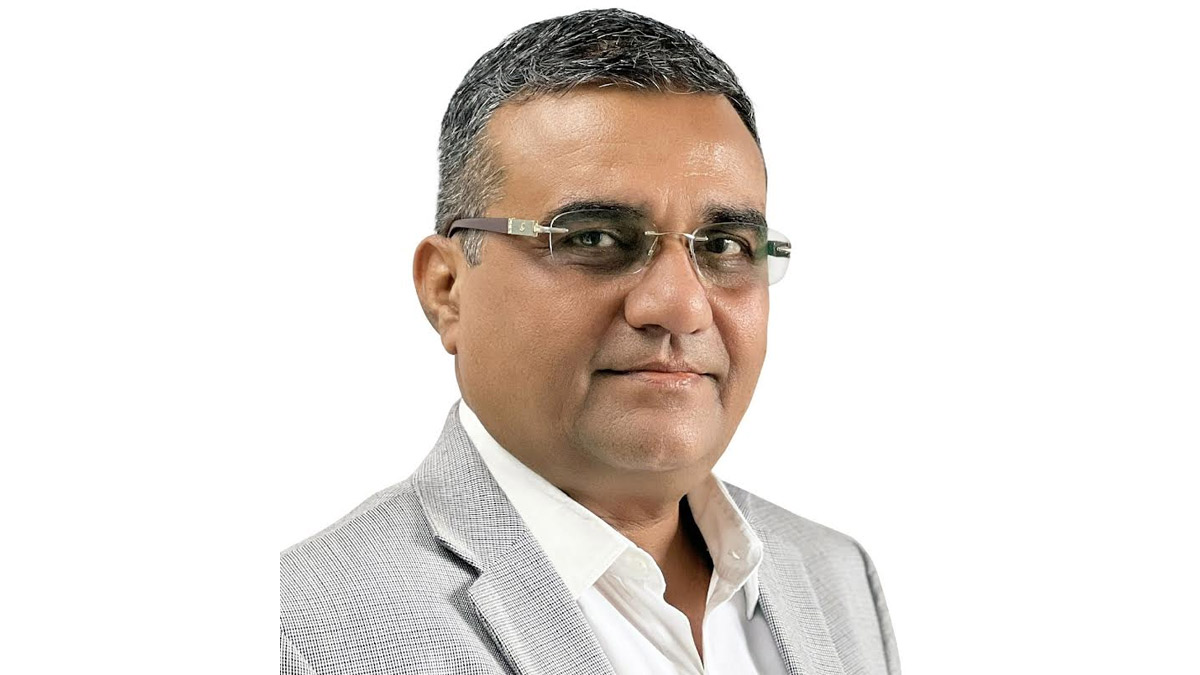
MUMBAI: A new chief, a fresh diagnosis and a sharper prescription for growth. Beacon Group has appointed Dr Rajesh Patel as its Group Chief Executive Officer, effective April 1, 2026, signalling a decisive push to scale its presence in the diagnostics and IVD space. Patel steps into the role with 36 years of experience across the healthcare and diagnostics industry, bringing a career shaped by leadership roles spanning sales, marketing, business development and operational strategy. His mandate is both expansive and precise: to steer the group’s overall strategic direction while tightening coordination across its three core entities Beacon Diagnostics, Vector Biotek and Biogeny Diagnostics.
In practical terms, that means driving cross-company synergies, accelerating market expansion and strengthening organisational capability areas increasingly critical as diagnostic players compete for scale in a fragmented yet rapidly evolving healthcare ecosystem. The group is positioning itself to capture unmet demand across chain laboratories, key accounts and standalone labs, segments that remain underserved despite growing diagnostic needs.
The appointment comes at a time when the In Vitro Diagnostics (IVD) sector in India is entering a more competitive and innovation-led phase, with companies focusing not just on product pipelines but also on service delivery, integration and customer-centric models. Beacon’s leadership appears to be betting that Patel’s execution-focused approach can help translate ambition into operational momentum.
Welcoming the appointment, Chairman Dr D K Joshi described Patel’s induction as a strategic move aligned with the group’s long-term vision, emphasising the role of leadership depth in navigating the next phase of growth.
For Beacon Group, the message is clear, in a sector where precision matters, leadership is the new differentiator—and this appointment is intended to set the tone for what comes next.






