MAM
Pester power picks on more products

MUMBAI: Pester power is on the rise. Even Cartoon Network, the channel that commissioned NFO to study brat power of persuasion on the purchasing power of their parents, is pleasantly surprised to note that Indian kids (particularly in the advertiser friendly SEC A & B categories) have greater influence on the brands bought in their homes than they did last year.
New Generations 2002, the December 2002 study that surveyed a total of 3218 kids and their mothers across 14 cities, six of them metros, found that a whopping 75 per cent of the kids that receive pocket money get it weekly or oftener, a trend that’s showing an increasing trend in Generations surveys since the first one conducted in 1998. 39 per cent of children from all cities surveyed get at least Rs 100 monthly as pocket money, the list led by the relatively smaller northen city of Ludhiana where nearly 69 per cent of kids draw regular pocket money.
Pester power this year also comes with a measure of parental validation. A good 31 per cent of parents today are willing to let kids accompany them when they are out to buy a durable, 43 per cent would take their kids along when on a trip to buy a computer and 39 per cent when out to purchase a music system.

Done with a focus on India as one of its key markets, the Cartoon Network survey ostensibly aims at studying juvenile media habits and the growing phenonmenon called pester power that enables advertisers to target elders using children as a via media. The number of categories to which pester power is increasingly applicable over the years makes for what ad guru Alyque Padamsee terms the transformation of parents into an ‘extension of kids’ desire to buy.’
Interestingly, as many kids in smaller cities like Ludhiana, Jaipur and Guwahati get pocket money to spend as they wish, as do their counterparts in Delhi and Mumbai, and often more than kids in Chennai, Bangalore and Kolkata. The amount pocketed too is on the rise, if the results of Generations 2002 are to be believed – 20 per cent of those who get pin money get it once a week, 23 per cent get it two to three times a week and 32 per cent get it daily.
A good 53 per cent of the kids who get allowances receive over one hundred rupees a month, most of which is spent on indulgences like chocolates, soft drinks and chips. Pester power however extends to products like cornflakes, biscuits and milk food drinks, where the reasons for brand choice among kids could range from liking the advertisement for the product to freebies that go with it and noticing its presence in the shops.
Parents interviewed during the month long survey show an amazing tolerance for their children’s brand preferences. For a product like a kids’ bicycle, 42 per cent said they would buy a brand the child preferred, if it met their requirements. 32 per cent said they seek the child’s opinion before buying and 16 per cent said they would buy the brand the child liked most, indicating that in nearly 90 per cent of the cases, the child has a distinct say in brand choice.
For the first time, the Generations survey also studies the values and attitudes of kids in urban India, revealing that while achieving good grades at school remains a top priority for all children, the freedom to do what they please too ranks high (72 per cent) as does owning the latest things in the market (59 per cent) and looking good (90 per cent).
As regards kids’ media habits, the study indicates that three quarters of the kids choose the channel they want during kids’ prime time between 4 pm and 8 pm. Star Plus, the general entertainment channel follows Cartoon Network as the most watched channel among kids, with 46 per cent children voting it their favourite channel.


MAM
How beverage brands are rethinking marketing strategies for weather-led demand
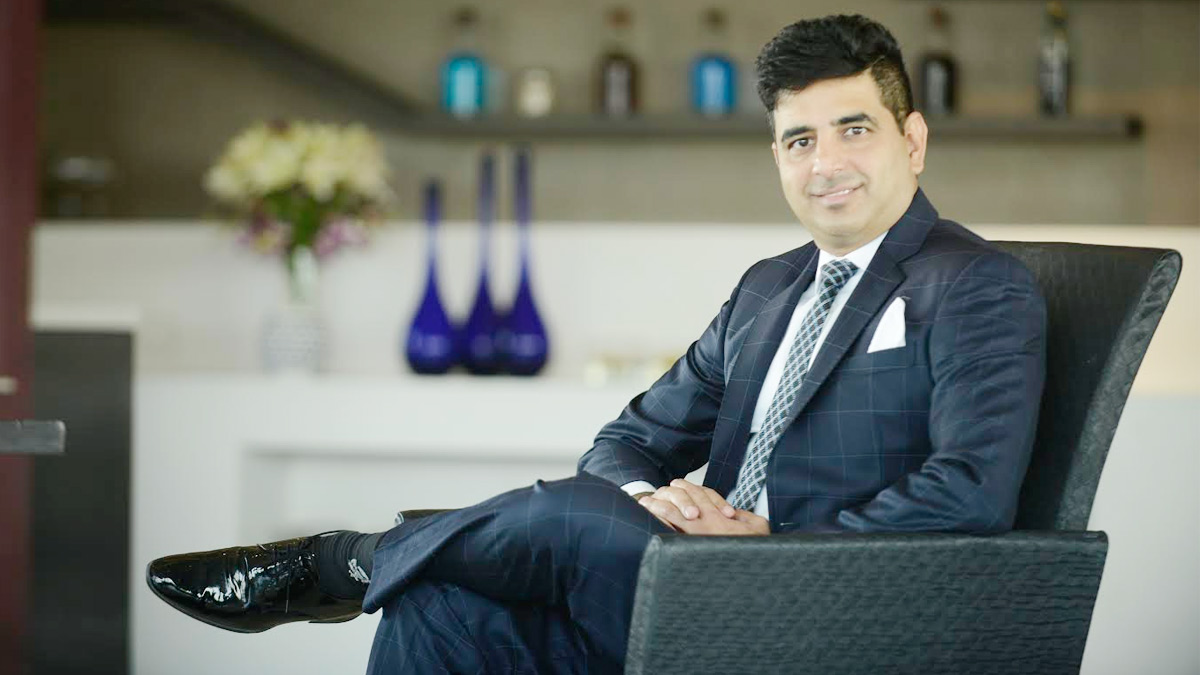
SLMG Beverages Private Limited joint managing director Paritosh Ladhani.
MUMBAI: As Sun climbs up the hemisphere, summer has clearly arrived in India. On 7th March 2026 Delhi registered a maximum temperature of 35.7 degrees Celsius which is the highest reading logged for the first week of March in the last 50 years. Climate Change has been prolonging summers by causing earlier spring warming, delayed autumn cooling, and more frequent, intense heatwaves that persist for much longer periods.
In an endeavor to stay ahead of the curve, Beverage Brands are shifting from fixed seasonal marketing tactics to weather responsive strategies backed by data-driven insights, flexible campaigns, and diversified portfolios to capitalize on unruly temperature spike. In 2025, India’s beverage market experienced a massive, heat-triggered surge with carbonated drinks and ice cream volumes spiking 20–25 per cent in the March quarter itself on the back of hottest February in 125 years.
Clearly campaign timelines are being advanced to reap the seasonal shift in line with the jumping mercury. In the Indian context where Cricket is nothing short of religion, big ticket tournaments like T20 World Cup, Indian Premier League, ICC Champions Trophy provide plethora of opportunities to calibrate marketing campaign designs and associated business strategies to associate refreshment with community viewing both outdoor and indoors. A new trend that has taken the world by storm is that of booking the theatres for bonhomie viewing. It has also opened avenues for joint marketing initiatives by the Multiplex and Beverage Brands.
Price disrupting small potions and value packs tend to drive significantly higher volumes owing to volumetric flexibility and affordability to the consumers. Ramping up of cold supply chains for transit and at point of sales (POS) are strategic business imperatives that again define success of beverage brands.
In the era of AI and Big Data it is easy to track and calibrate messaging based on daily or weekly weather changes. Geo-targeted digital advertisement campaigns are also being run during heatwaves to make the business and marketing imperative very contextual. These pre-emptive strategies fueled by real time data and technology immensely help beverage brands to adjust supplies to the areas that are likely to generate more demand.
Novelty brings premium to the FMCG Sector and Beverage Brands are no exception. Newer SKUs build up excitement in consumers besides imparting the scope of frequent revitalization of brand marketing campaigns. Ensuring continuum of supply chain across material suppliers, logistics providers, distributors/wholesalers, and retailers become a strategic business strategy imperative for beverage brands during peak season.
Carbonated drinks among other beverages including packaged mineral water sell like hotcakes in summers, a period where holiday season gives big impetus to sales volumes. Tying up with air carriers railways, amusement parks, malls, convention centers for inclusion in the onboard beverage deck also holds a big window of opportunity for brands.
Limited period diversification into special summer categories entailing juices and functional beverages to capture the broader hydration market is also a business cum marketing imperative that beverage brands eye on. This also brings to fore the responsible side of the brand placing the compass on wellness of consumers.
Seasons are cyclic, hence summers are inevitable. Further, due to anthropogenic climate change, summers surely have been staging prolonged appearance that keep bringing beverage brands on to their drawing boards frequently for strategizing business and marketing campaigns that are agile, refreshment-focused, visually dominant in retail, affordable, and optimally promoted through seasonal campaigns in above and below the line media.








