MAM
Over 250 complaints of misleading ads about AYUSH products since Jan 2015

NEW DELHI: The Advertising Standards Council of India (ASCI) referred 263 complaints of allegedly AYUSH products related advertisements to the Consumer Affairs Ministry since January 2015, including seven advertisements of herbal medicines in 2016.
The AYUSH Ministry itself received 79 complaints in the year 2014 about advertisements and misleading claims allegedly of herbal and AYUSH products.
Such complaints of 381 advertisements are also registered online till 16 March 2017 in the Grievances against Misleading Advertisements (GAMA) portal maintained by the Ministry of Consumer Affairs, Food & Public Distribution.

Giving this information in Parliament, AYUSH Minister Shripad Yesso Naik said that it was pertinent that the proof of safety and effectiveness as required for issuing license to manufacture Ayurvedic, Siddha or Unani medicine is prescribed in the guidelines under Rule 158-B of the Drugs & Cosmetics Rules 1945, which can either be based on textual rationale from the authoritative books listed in the First Schedule to the Drugs & Cosmetics Act or published literature; and if no such evidence of effectiveness of the drug is available, it needs to be generated by conducting the pilot study.
He said that in an effort to check the veracity of misleading advertisements of AYUSH products, the Central Government had issued directives to the State Governments for appointing gazetted officers for monitoring of advertisements of such drugs. Complaints of misleading advertisements of medicines are forwarded to the concerned State Licensing Authorities for action in accordance with the provisions of Drugs & Cosmetics Act, 1940 and Rules thereunder and Drugs & Magic Remedies (Objectionable Advertisements) Act, 1954 and Rules thereunder. States have reported action taken against the defaulters.
The AYUSH Ministry also signed a memorandum of understanding with ASCI on 20th January 2017 to undertake monitoring of the misleading AYUSH –related advertisements appearing in print and TV media and bring the instances of improper advertisements to the notice of the State Regulatory Authorities for taking necessary action.





MAM
Beacon Group appoints Dr Rajesh Patel as Group CEO
36-year healthcare veteran to lead Beacon Diagnostics, Vector Biotek, Biogeny.
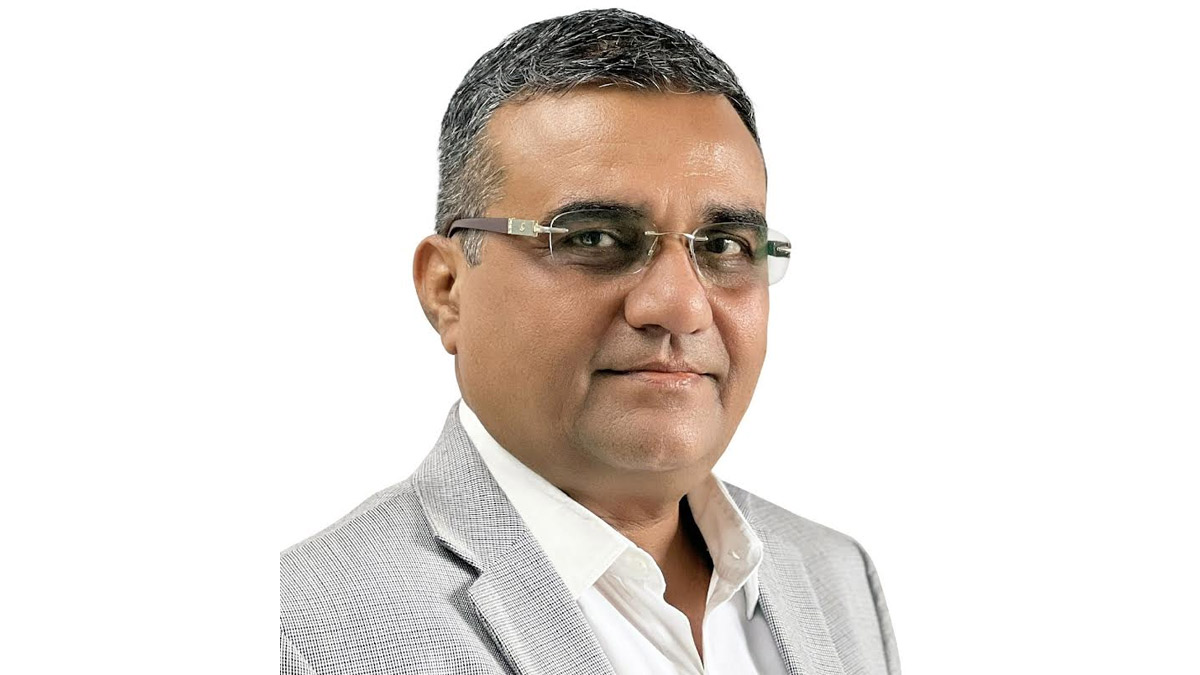
MUMBAI: A new chief, a fresh diagnosis and a sharper prescription for growth. Beacon Group has appointed Dr Rajesh Patel as its Group Chief Executive Officer, effective April 1, 2026, signalling a decisive push to scale its presence in the diagnostics and IVD space. Patel steps into the role with 36 years of experience across the healthcare and diagnostics industry, bringing a career shaped by leadership roles spanning sales, marketing, business development and operational strategy. His mandate is both expansive and precise: to steer the group’s overall strategic direction while tightening coordination across its three core entities Beacon Diagnostics, Vector Biotek and Biogeny Diagnostics.
In practical terms, that means driving cross-company synergies, accelerating market expansion and strengthening organisational capability areas increasingly critical as diagnostic players compete for scale in a fragmented yet rapidly evolving healthcare ecosystem. The group is positioning itself to capture unmet demand across chain laboratories, key accounts and standalone labs, segments that remain underserved despite growing diagnostic needs.
The appointment comes at a time when the In Vitro Diagnostics (IVD) sector in India is entering a more competitive and innovation-led phase, with companies focusing not just on product pipelines but also on service delivery, integration and customer-centric models. Beacon’s leadership appears to be betting that Patel’s execution-focused approach can help translate ambition into operational momentum.
Welcoming the appointment, Chairman Dr D K Joshi described Patel’s induction as a strategic move aligned with the group’s long-term vision, emphasising the role of leadership depth in navigating the next phase of growth.
For Beacon Group, the message is clear, in a sector where precision matters, leadership is the new differentiator—and this appointment is intended to set the tone for what comes next.






