MAM
Ormax introduces celebrity evaluation software

Mumbai: Ormax Media, a media and entertainment consulting firm, has launched syndicated research-based software Celebritix.
Celebritix will allow brands to evaluate and select the best celebrities for endorsements and film tie-ups, based on the fit between the brand and the celebrity, the company said.
At present, the software features 36 celebrities, from Bollywood and cricket. Ormax plans to add up to 10 celebrities to track, based on market trends, box office and cricket performance. The research covers 4,000 respondents every quarter, across 20 attributes, in the target group of 18-44 years, SEC ABC, across Mumbai, Delhi, Bangalore, Ahmedabad and Lucknow.

Celebritix will allow the users to create a brand profile by assigning weights to different attributes that best describe the desired personality of the brand. Based on the brand profile, the software will recommend celebrities that best fit the brand, using a proprietary metric called the OCX (Ormax Celebritix) Score.
The OCX Score can also be used for selection of films for associations, based on the fit between the starcast and the brand. Additionally, subscribers will have access to two other modules – Stars India Loves (SIL) and Box Office Forecast – that will allow them to take informed decisions on film tie-ups.
Ormax Media CEO Shailesh Kapoor said, “While the power of celebrities in influencing a brand‘s image and sales has been well established over years, choosing the ‘right‘ celebrity is critical to realise the real potential of celebrity endorsements and film associations. Celebritix will allow the brand teams to make informed celebrity choices, based on consumer research. For brands who have signed up specific celebrities already, it allows them to look at their profile and identify ways of using them to the best advantage of the brand.”
SIL is Ormax Media‘s monthly star popularity research product running since November 2010. In Box Office Forecast, the users will get an indicative estimate of the likely opening day performance of the film at the domestic box office, based on campaign tracking, category trends and normative data. The forecast will be available up to 12 months before the release of the film.







Brands
Lotus Herbals unveils HydroActivated sunscreen with high-impact campaign
Harnaaz Sandhu fronts digital push spotlighting breakthrough sun care tech
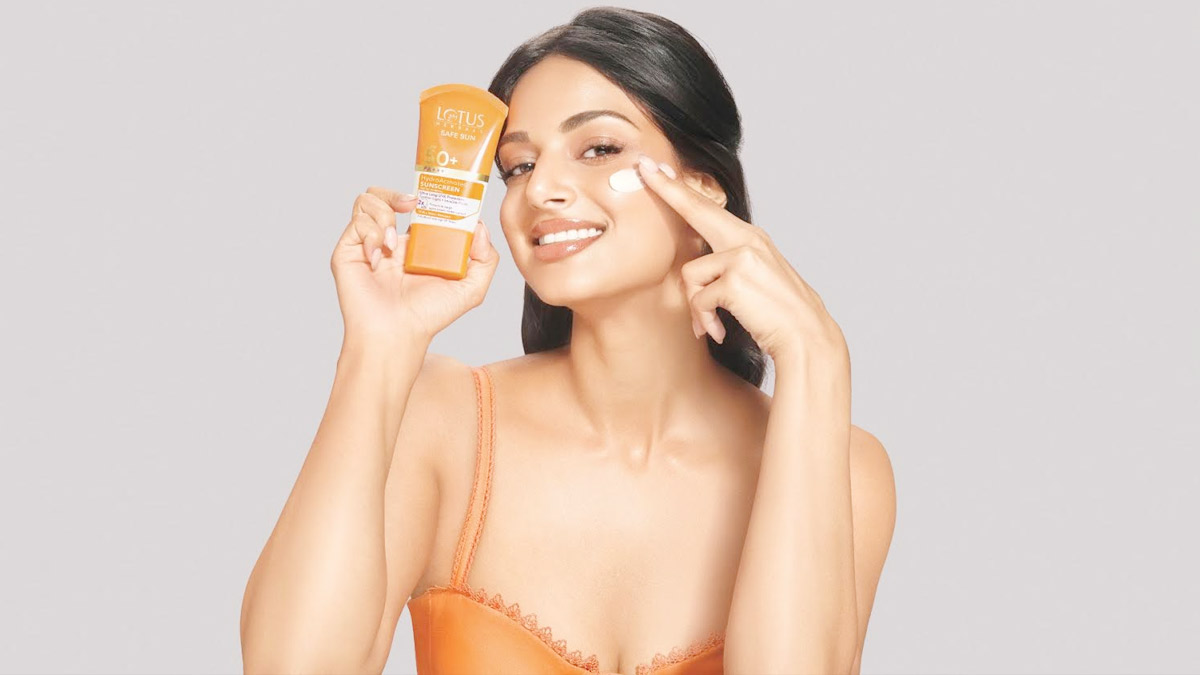
MUMBAI: Lotus Herbals has rolled out a high-decibel marketing campaign to introduce what it calls India’s first hydro-activated sunscreen, aiming to reshape how consumers think about sun protection.
At the centre of the launch is the Safe Sun HydroActivated Sunscreen SPF 50+ PA+++, a formulation built on a patent-pending Hydrosome Technology that activates on contact with moisture. Unlike conventional sunscreens that can weaken with sweat, this product is designed to do the opposite, boosting protection when the skin is exposed to water or perspiration.
The campaign is led by Harnaaz Sandhu and is being amplified across OTT platforms, social media and outdoor locations in key metro cities. The brand film takes a light, relatable approach to everyday sunscreen struggles such as uneven application and fading protection, while positioning the new product as a reliable, high-performance alternative for active lifestyles.
Beyond its core technology, the sunscreen features next-generation UV filters and Edelweiss Flower Extract, offering hydration alongside protection. The formula claims up to 10 hours of water resistance and even, all-round defence against sun exposure and tanning, targeting consumers who want both skincare and performance in one product.
Speaking about the launch, Lotus Herbals chairman and managing director Nitin Passi said, “We are excited to launch India’s first sunscreen with hydroactivated technology which is our most innovative product launch. This isn’t just a sunscreen; it’s a technological breakthrough that utilises a novel manufacturing process. We’ve created a product that stays invisible on the skin yet becomes a performance powerhouse when the user is most active.”
Sharing her experience, Lotus Herbals brand ambassador Harnaaz Sandhu said, “I am thrilled to be associated with Lotus Herbals Safe Sun for their new sun protection campaign. In my world, there is no room for shortcuts, and I need functional and reliable products that work as hard as I do. The hydroactivated sunscreen is a game-changer because it blends with my skin and protects me better when I’m pushing my limits.”
The campaign is being distributed across platforms including JioStar connected TV integrations and ZEE5, along with television placements such as Sa Re Ga Ma Pa in West Bengal. A large influencer push involving over a thousand creators, along with in-store branding and retail activations, is also part of the rollout.
With a blend of science-led positioning and mass-market storytelling, Lotus Herbals is betting on innovation to stand out in the crowded sun care segment, hoping its moisture-powered promise strikes the right chord with today’s always-on consumers.






