Brands
Onida’s resurrection ahead of festive season


MUMBAI: Onida, a brand that was once seen in every Indian household, seems to have lost its sheen in today’s competitive market. This was primarily due to the entry of new players. With liberalisation in 1991, Samsung, LG and other multinational consumer goods companies launched in India with much fanfare and Indians were hooked on to them. Soon, Indian homegrown companies started seeing a dip in sales and most of them exited the business sooner or later.
Just when Onida was on the brink of getting hazed out from consumer’s mind, the company decided to relaunch in June 2018. The brand made a comeback with its much loved/hated devil. Though Onida spent a magnanimous budget of Rs 20-30 crore on advertising across television, print, outdoor and digital, it failed to convert those audiences into customers.
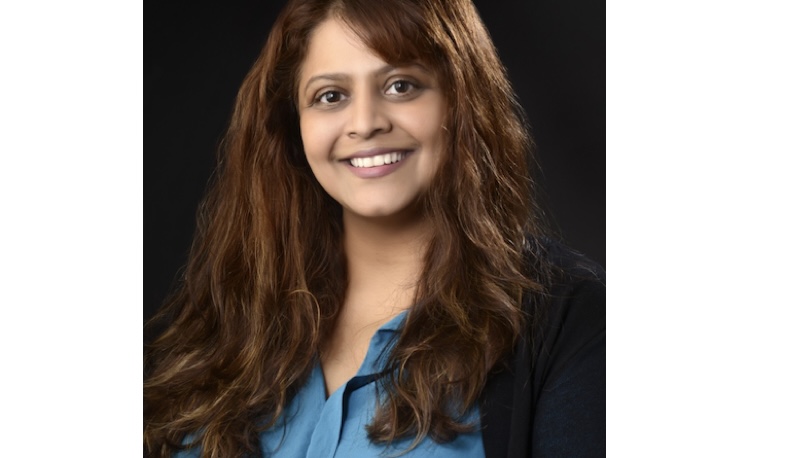
Earlier this month, Onida appointed Pratyush Chinmoy as head of marketing with key responsibilities intended towards planning and execution of marketing strategies, brand and category management, marketing communication and working on building a strong brand presence.

Chinmoy has been appointed while the business is trying to rebuild itself after having lost a fair share of customers over the years. In order to tap in new customers and allure them with products and offers, Chinmoy’s immediate focus will be the upcoming festive season, a time when people loosen their purse strings.
In order to start afresh in the eyes of the consumer, Chinmoy has appointed new faces in the marketing department, has new ideas about product lineups and a new media mix to connect with Gen Z.
Before joining Onida, Chinmoy has been a part of bigger brands like Asian Paints and Reliance Industries. While he has experienced being a big fish in a small tank, in his second innings, he is a small fish in a much larger tank. The task to resurrect Onida will be challenging for him as he has to push these products to new consumers.
Speaking about the challenges of scale and capital, he says, “The challenge for me will be to connect with Gen Z who haven’t seen our (Onida’s) previous ads. Another challenge will be to communicate with this generation with the limited budget that we have as we can’t spend on every media out there and only have to do select targeting.”
India has over 330 million middle class consumers who can only afford mid range products and this is the perfect target audience for the brand.
Old ad:
New ad:
All these years, the company resorted to print media for better ROI at low investment. But with the advent of digital and social media, Chinmoy doesn’t want the company to be left out. In its second innings, the company will use a mix of media to segment its reach. While Chinmoy now wants to use digital to target youth, he says that going forward it will be a mix of all media channels so that the exposure is on all income ranges. Traditional media like print, radio and TV will help the brand in reaching a mass audience.
The consumer durables market in India was valued at $14 billion in 2017 whereas the TV industry was valued at $9.2 billion. For the company, TV will be its focus area as the growth trajectory in the TV segment is around 15-18 per cent.
Onida holds a mere 8-9 per cent of the total market share in air conditioner space and the penetration for air conditions in India is as low as 5 per cent which comes majorly from urban areas and metros. The segment contributes to 45 per cent of the company’s turnover, i.e., Rs 370 crore. Mirc Electronics MD Vijay Mansukhani expects it to double this year at Rs 700 crore and reach Rs 1500 crore by 2020
It’s a test for Indian brands to show their worth in this foreign cluttered market. Chinmoy said, “Personally, I believe that it’s a general perception that international companies have better products, which is not true. Indian brands have great R&D spends and they understand the nuances of Indian audiences and their needs. Patanjali crossed Rs 5000 crore mark and soon after, Hindustan Unilever Ltd launched Ayush. However, the good news is that the consumer mind is changing and shifting towards homegrown brands.”
It was only last month when Onida launched India’s first TV certified by Google that competes with international brands including Samsung and TCL in the same category. Onida launched its first Google Android 4K UHD Smart TV exclusively on Flipkart with a starting price of Rs 52,000. This was the first time that the brand launched a product exclusively online and the results, according to the company were overwhelming.
Now with a new face and a new team, it will be interesting to see whether Onida will be able to recreate its old magic.



Brands
Charlotte Tilbury opens first flagship store in India
Luxury beauty brand bets on immersive retail as India expansion gathers pace
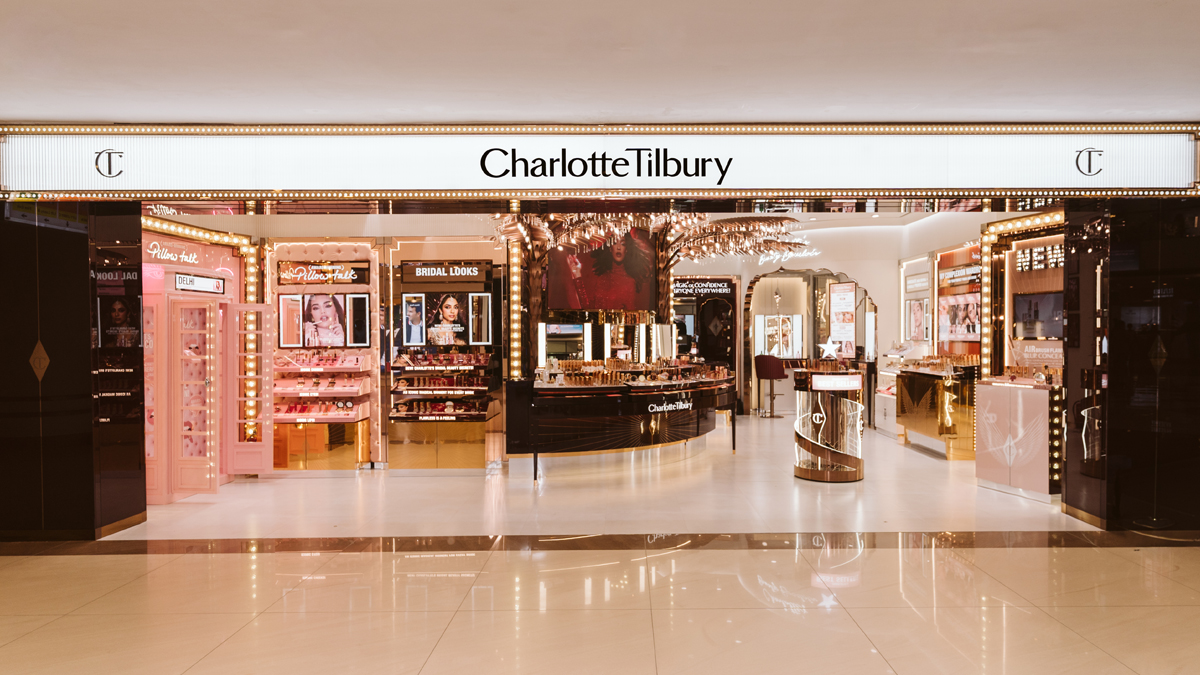
NEW DELHI: Charlotte Tilbury has opened its first flagship Beauty Wonderland in India, planting a high-glamour marker in New Delhi as global beauty brands double down on the country’s fast-growing premium market.
Located at Nexus Select Citywalk in Saket, the store is operated end-to-end by Nykaa, deepening a partnership that began with the brand’s digital launch in India in 2020 and has since scaled across retail, marketing and distribution. The opening signals a shift from marketplace presence to standalone brand environments as companies chase long-term equity and consumer loyalty.
The launch was marked by an event on April 9 featuring actor Sobhita Dhulipala, the brand’s first beauty muse in India, underscoring Charlotte Tilbury’s growing cultural push in the market.
“Darlings, I am so excited to open my first-ever flagship Beauty Wonderland in India, in its vibrant and iconic capital, New Delhi,” said Charlotte Tilbury. “This is such a magical milestone for the brand as we continue to grow in one of the world’s most dynamic and exciting beauty markets.”
Tilbury highlighted the brand’s connection with Indian consumers. “India has always been a place of incredible beauty, celebration and transformation. I have been so inspired by the artistry, creativity and passion of our community here. They are true beauty connoisseurs that appreciate next-generation formulas,” she said.
The store is designed as an immersive retail experience, blending the brand’s Art Deco and old Hollywood aesthetic with local cues. A bespoke Royal Indian Arch anchors the space, alongside personalised makeup services tailored to Indian trends and occasions. A dedicated bridal looks wall nods to the country’s strong wedding-led beauty market, while interactive elements such as the Pillow Talk photowall and in-store masterclasses aim to drive engagement.
For the first time in India, the full Charlotte Tilbury portfolio is available under one roof, spanning makeup, skincare and fragrance, including the Fragrance Collection of Emotions and bestsellers such as Magic Cream, Airbrush Flawless Blur Concealer and Pillow Talk products.
Nykaa, which operates 57 doors for the brand alongside its app and website, will now lead end-to-end management of Charlotte Tilbury’s exclusive boutiques in India, covering retail operations, staffing, supply chain, marketing and omnichannel integration.
“Charlotte Tilbury has been one of our most successful and strategic global partnerships,” said Anchit Nayar, executive director and chief executive officer, Nykaa Beauty. “The launch of the first exclusive boutique, fully operated by Nykaa, is a natural next step and reflects our shared long-term commitment to building the brand in India.”
Nykaa’s broader beauty playbook, built on digital-first entry followed by omnichannel scale, now reaches over 42 million consumers and has become a template for global brands entering India. The retailer currently serves 52 million customers through its platforms and runs 276 offline beauty destinations, reinforcing its position as a gateway for international labels.
Charlotte Tilbury, founded in 2013, now operates in over 50 markets with more than 3,000 employees and 500 products across categories, with over 3,000 distribution points globally.
A second standalone store is slated to open at Mall of India in Noida in May 2026, signalling an aggressive retail push.
In a market where beauty is fast turning from aspiration to everyday indulgence, Charlotte Tilbury is not just selling products. It is building theatre, and betting that Indian consumers are ready to buy into the spectacle.






