MAM
Onam kya? Malayalam TV channels set to reap the harvest

The biggest of all festivals in the land of kathakali and snake boats is here – Onam. Celebrated over a period of 10 days, Onam festivities reach the peak during the last three big days – this year on the 28, 29 and 30 of August, and the Malayalam television channels are gearing to have a crack at ad pie.
 With Kerala’s harvest festival giving them the biggest opportunity to pull in the maximum ad revenue possible, the marketing arena of Malayalam television has been witnessing frantic activity. While leading channels have already reached their billing limit, second-line channels are putting their best efforts to meet the set targets.
Says Jeevan TV assistant marketing manager Krishna Kumar, “Yes, Onam is the biggest festival not only for Keralites but also for Malayalam television channels. The money advertisers shell out for these ten days is equal to the amount they normally spend during a three-month period.”
According to the regional television industry sources, the total ad market for the Onam season is valued at Rs 150 million (approx). Television owns more than half of it – approximately Rs 80 million, up 20 per cent from the TV ad spend during the previous season.

“We have got an extra billing of 30 to 40 per cent for Onam. From 27 August – 30 August, it is premium advertising on Asianet,” says Asianet general manager Anto Puthiry. According to Puthiry, all the national advertisers – especially white goods and FMCGs – are keen on Malayalam channels during the season.
 Four-year-old Kairali TV has already raked in Rs 2.5 million for the final Onam days. According to Kairali TV regional head Sunil Nair, it is 75 per cent higher than the previous Onam billing. Jeevan TV has set a target of Rs 25 million as billing for the ten-day period. The channel claims that more than half of the set target is already achieved. News channel Indiavision expects to get richer by Rs 10 million (approx) by the end of the festive season.
Onam is valued as the best occasion for television advertising in Malayalam not only because of the emotional value attached to it. Channels capitalise on the ‘luxury’ of having more than one day to celebrate by getting the festive days branded by advertisers.
Asianet has 25 August to 29 August (five days) branded by Sony Vega, Kannan Devan Tea, Seemati Sari Sansar, Joy Alukkas Jewellers and De Beers respectively. Surya TV ‘s on-air promos show HLL’s herbal brand Ayush has branded the channel’s Onam programmes for 27 August and 28 August.
Asianet has roped in Alukkas Jewellers and Nestle India as main sponsors and Bajaj Auto and Yamaha Motors as associate sponsors. Sandpiper, Kannan Devan Tea, Johnson and Johnson and Kinetic Motors are some of the advertisers Kairali TV has signed up for the big occasion while Jeevan TV’s list includes Samsung, Sansui and Daewoo.
How national advertisers perceive the Onam market? Yamaha Motors India marketing manager Santosh Iyer says Onam season is the best opportunity to boost the sales as far as the Kerala market is concerned. According to Iyer, Yamaha is targeting a 20 per cent increase in its sales and is spending more ten per cent on advertising during the season.
“We do spend equally on print and TV during Onam. But TV is very cost-effective when it comes to building up the reach,” offers Iyer.
According to the 2003 TAM AdEx analysis for Onam advertising, Surya and Asianet were able to raise the revenues by over 100 per cent vis-?-vis previous days. Last year on the advertising front, jewellery topped the list followed by furnishings, fairness creams, corporate brand image and cellular phone service. Compared to last year, this season has more national advertisers making their presence felt in the Onam market, say industry observers.
 Programming-wise, channels’ biggest bet during Onam is movies. There’s going to be television premiere galore of blockbuster movies on Malayalam television this time too. Surya TV and Asianet will be premiering four movies each. Most of the Onam programmes are woven around film stars, keeping in mind the target group’s passion for movies. Kairali TV brings film star interviews, blockbuster movies, music programmes, ground events, skits and comedy programmes for Onam, while Indiavision has lined up celebrity chat shows, star interviews, talk shows, musical programmes and ground events.
Indiavision chief marketing officer Issac Jacob says competing with general entertainment channels during Onam is tough. But he adds that the channel has a clear-cut programming strategy for Onam:
“Being a news channel, we may not be able to do what a general entertainment channel does during Onam. Understanding this, we have planned our Onam programming and I am sure that the strategy will work. We are trying to mop up as much revenue as possible during the season,” says Jacob.
Even on the occasion of the harvest festival, life surely is not a bed of flowers for Keralites – economically and politically. But it is harvest time for Malayalam channels and they are confident of the eyeballs they would be getting.



MAM
WPP appoints Estée Lauder’s Anne-Isabelle Choueiri as chief transformation officer
Former Estée Lauder executive to lead operations, technology and culture overhaul under WPP’s three-year growth plan
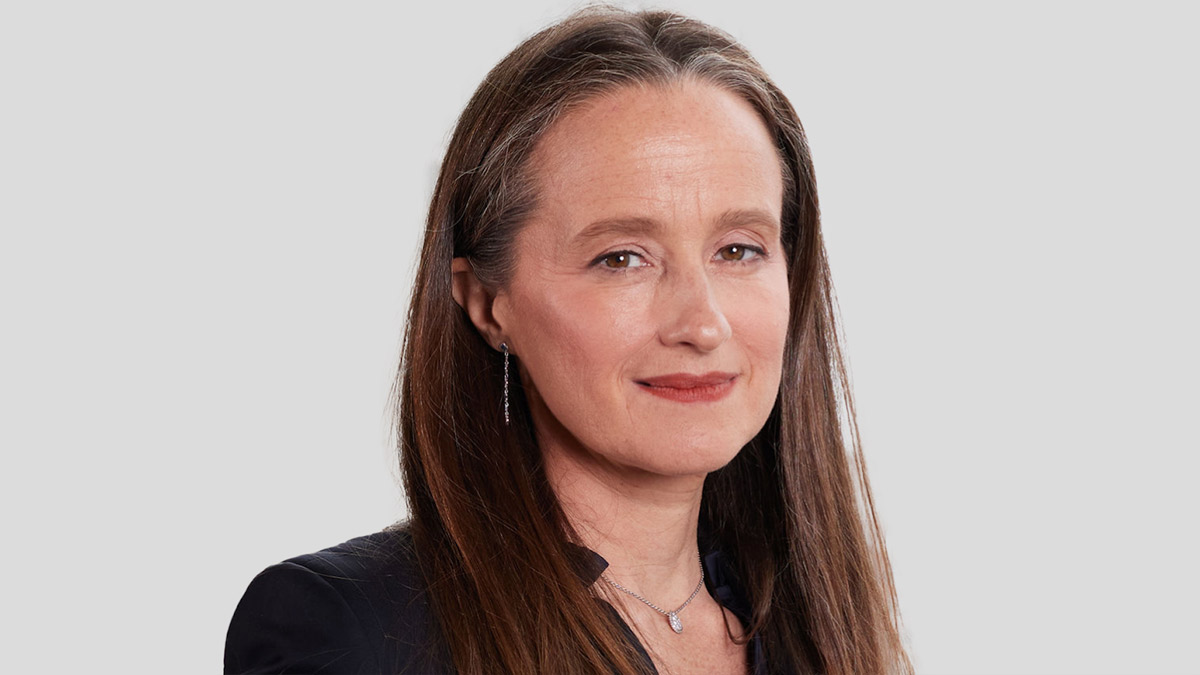
LONDON: WPP has appointed Anne-Isabelle Choueiri as chief transformation officer in a newly created role tasked with delivering the group’s Elevate28 strategy.
Choueiri joins from The Estée Lauder Companies, where she led enterprise-wide strategic initiatives, including the “One ELC” operating model and major upgrades to enterprise marketing, data and analytics capabilities. She also led the redesign of enterprise technology teams and served on the company’s AI taskforce, driving AI strategy, adoption and value realisation across the business.
At WPP, she will be responsible for designing, implementing and embedding the operating model behind Elevate28, the company’s three-year growth plan unveiled in February 2026. She will lead efforts to improve innovation, efficiency and integration across WPP’s client offerings, with a focus on delivering agile, outcome-driven solutions and measurable growth.
Choueiri will oversee organisational transformation across the group, working closely with product and enterprise technology teams to deploy AI, data and technology to build new capabilities and improve operational performance. She will also work with the people function to embed cultural change, strengthen an agile performance mindset and support talent development across the organisation.
Before joining Estée Lauder, she held senior roles across consulting and digital agencies, including at Accenture, Masaï (a Bain & Company spin-off), and Kearney, with experience spanning strategy, data and digital marketing transformation.
Cindy Rose, chief executive officer of WPP, said Choueiri brings a strong track record of leading large-scale transformation across operations, technology and culture, adding that her appointment will help accelerate the group’s next phase of growth under Elevate28.
Choueiri said WPP’s strategy represents an ambitious opportunity to reshape how the company operates and delivers for clients, adding that she looks forward to building integrated solutions and fostering a culture of innovation and change.
She will be based in New York and will join WPP’s executive committee.







