MAM
Omnichannel marketing: Engaging customers across platforms

Gone are those days when consumers used to contact just one channel regarding a specific brand or business. In today’s dynamic world, which is swarming with countless digital platforms, the consumers choose several channels to interact with a brand. Therefore, it has become crucial for brands to integrate online and offline channels to craft seamless customer experiences.
Understanding omnichannel marketing
This omni-channel approach paves the path for a consistent and personalized experience across multiple touchpoints contrary to multi-channel approach that caters to different channels individually. Omnichannel marketing helps integrate all channels to create a single coherent brand message. Whether a consumer chooses to interact with a brand through social media, on its website, attempts to connect through messages or visits their physical store, the experience should be a unified one.

Centered around ‘customers’
The customer lies at the core of omnichannel marketing. Getting deep and truly understanding the customer journey as well as all of their preferences and behavior will be a key approach to delivering hyper-personalized experiences across every channel. Brands, through data analytics, will capture the most vital customer insights that may only exhaustively understand their needs to deliver the right message at the right time.
Choosing the right technology
Delivering a seamless experience necessitates creating an integrated technology ecosystem consisting of CRMs (Customer Relationship Management Systems), data analytics platforms and automation tools. These technologies will help understand and track consumer behavior alongside offering consistent messaging across multiple channels.
Personalisation is ‘King’
Every customer is unique and so will be their needs. Leveraging data analytics to gather insights pertaining to customer behavior and preferences help tailor content of the messages and offers to fit each customer’s unique needs. For example, in case you are searching for a new pair of shoes on a website, receiving offers based on recent searches will enhance relevance and boost chances to engage with the brand.
Launching an Omnichannel Marketing Strategy
Other than understanding the buying behavior and preferences of your target consumer, invest in the right technology and deliver more personal experiences across channels.
1 Cross-platform data flows
Create a system where data gathered on one platform (for instance, a mobile application) can be utilized to automatically enrich the user experience on another platform. This will facilitate seamless transitions across touchpoints and improve customer satisfaction.
2 AI-driven personalisation
Capitalize on AI to deliver personalised experiences based on real-time consumer behavior. Offering content and recommendations tailored to evolving customer needs for hyper-relevant and dynamic experiences lies at the heart of omnichannel marketing.
3 Sync real-time inventory
Invest in and implement technology that offers real-time visibility into product availability across channels.This would help customers seamlessly switch between online browsing and in-store shopping catering a unified brand experience.
4 Geofencing
Reaching the actual target customer with the right message or offer at the right place is one of the most critical steps when bridging the online and offline gap. Using geofencing technology, the right messages or offers can be sent to customers near the physical stores to enhance their in-store shopping experience.
5 Integrated customer support
Customer service across the platforms needs to be harmonized where the customer can switch platforms but continue the conversation seamlessly. For instance, for the same customer who initiated a live chat with the support desk, they should be allowed to pick up from the point at which they dropped the conversation when using the brand’s social media support line, without necessarily repeating any information.
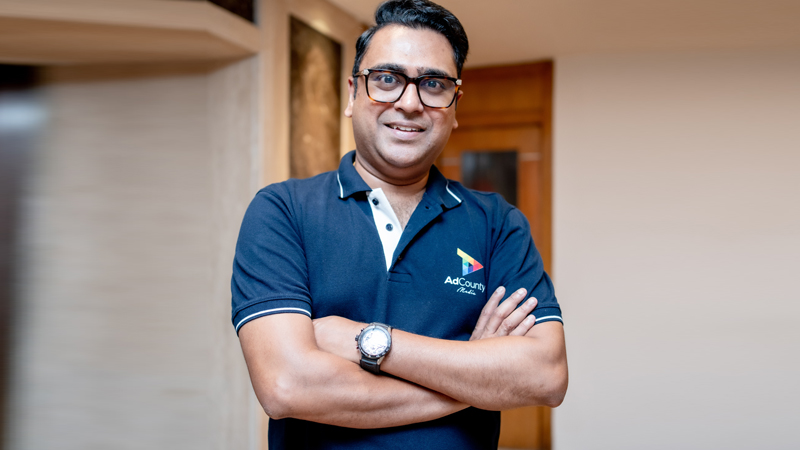
The article has been authored by AdCounty Media co-founder and chief revenue officer Delphin Varghese.




Brands
Jubilant Foodworks to end Dunkin’ franchise in India
Pizza chain operator will not renew agreement when it expires at end of 2026.

MUMBAI: When the doughnuts stop turning and the coffee goes cold, even a global giant like Dunkin’ can find the Indian market a tough brew to crack. Jubilant Foodworks has decided not to renew its franchise agreement with Dunkin’ when the pact expires on 31 December 2026, according to a Reuters report. The operator, best known for running Domino’s outlets in India, said it would evaluate options for its existing Dunkin’ stores, including a potential sale or transfer of franchise rights, in consultation with the US-based brand.
The decision follows years of underperformance in a market where local tastes and intense competition have made it difficult for international coffee-and-doughnut formats to gain traction. Jubilant, which has increasingly focused on its core pizza business and newer bets like Popeyes, indicated that the exit would not materially affect its financial or operational position.
Dunkin’ accounted for just 0.61 per cent of Jubilant’s revenue in the fiscal year ending 2025 and recorded a loss of approximately Rs 191 million, according to a regulatory filing. The company operated 27 outlets as of December 2025, having shuttered seven stores over the preceding year.
The retreat comes even as Jubilant’s broader business shows signs of momentum. The company reported a 65 per cent rise in quarterly profit for the October to December period, reaching Rs 70.9 crore, up from Rs 42.91 crore a year earlier.
For Jubilant, the exit reflects a sharpening strategic focus. For Dunkin’, it marks another setback in a market that has proven resistant to imported café concepts without significant localisation.
In the cut-throat world of Indian quick-service restaurants, sometimes the sweetest deals are the ones you quietly walk away from leaving more room for the brands that truly rise to the occasion.