MAM
Nokia conducting mobile TV trials in Sweden

MUMBAI: Mobile firm Nokia has announced a new commercial DVB-H pilot in Stockholm with Teracom in Sweden. Nokia is supplying the Nokia Mobile Broadcast System 3.0 and Nokia N92 mobile TV devices to the pilot which will last from October to December 2006 and includes 400 consumers. The project is a co-operation between ATG, Boxer, Nokia, Sveriges Radio, Sveriges Television/UR, Telenor and Teracom.
The pilot participants will be able to watch 14 TV channels and listen to four radio channels in the Stockholm city region, where a network has been built for high quality indoor and outdoor coverage. The objective is to evaluate what Swedish consumers think about commercial broadcast mobile TV and thus gauge market potential.
ATG, Boxer, Sveriges Radio and Sveriges Television will provide content for the pilot. The test will be delivered using Nokia Mobile Broadcast Solution 3.0, and the pilot participants will use mobile devices from Nokia, the Nokia N92. Teracom will be responsible for the network, the broadcast and operating of the platform.

This is the second mobile TV pilot in Sweden where Nokia is one of the main suppliers of DVB-H technology. Recently Nokia had announced a new contract with TeliaSonera Sweden for a complete DVB-H pilot system, including Nokia Mobile Broadcast System 3.0 and Nokia N92 mobile TV devices, underpinned by Nokia’s hosting and systems integration know-how.
Fore the uninitiated DVB-H technology complements existing operator networks, optimising capacity and quality. It offers consumers the chance to enjoy high quality terrestrial digital broadcasts along with voice telephony and internet access all in a single device. Broadcast mobile TV will offer new business opportunities for mobile service providers, content and broadcast companies, infrastructure and handset manufacturers as well as technology providers.
The feedback from different mobile TV pilots has been promising. Results from pilots on broadcast (DVB-H) mobile TV services among consumers in Finland, the UK, Spain and France have revealed clear consumer demand for such services as well as important indications over future business models for commercial mobile TV services.





Brands
Emami names Dhruv Aggarwal as chief growth officer
Former Bain partner steps in as FMCG firm sharpens growth playbook
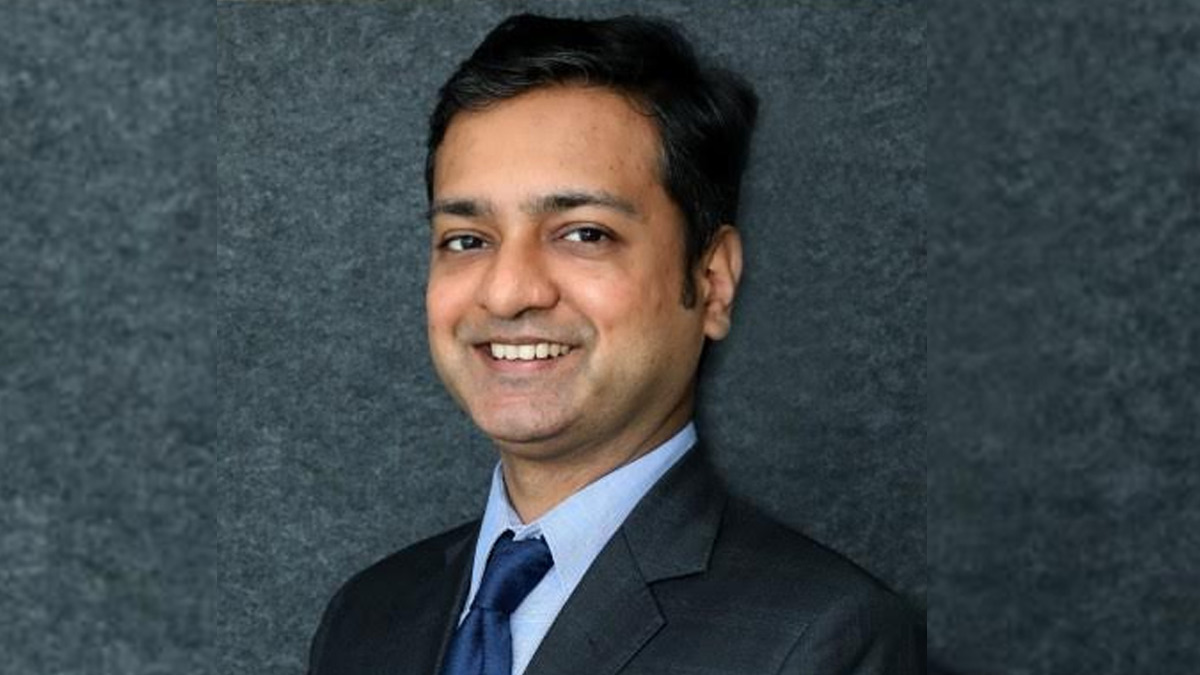
MUMBAI: Emami Limited has appointed Dhruv Aggarwal as its chief growth officer, effective 25 March 2026, following the resignation of Giriraj Bagri.
Aggarwal joins the FMCG major from Bain & Company, where he most recently served as partner. With over two decades of experience across consulting and strategy, he brings a global perspective shaped by work across India, the US, the UK and Germany.
During his tenure at Bain, Aggarwal advised consumer, retail and media companies on large-scale transformations, business turnarounds and growth strategies. He was also closely involved with India’s startup ecosystem, guiding early-stage ventures on scaling and digital expansion, while supporting private equity and venture capital firms on investment decisions.
His earlier stints include a brief role at Barclays Capital and operational experience at Jindal Power, giving him a mix of financial and industry exposure.
Academically, Aggarwal holds an MBA from Indian Institute of Management Bangalore and has also been associated with University of Illinois Urbana-Champaign as a PhD candidate and teaching assistant.
The appointment comes at a time when Emami Limited is looking to sharpen its growth strategy in a competitive consumer market. With a seasoned strategist now at the helm of growth, the company appears set to double down on transformation and expansion in the months ahead.








