MAM
Nishith Desai Associates adds two heavyweights to global strategy roster


MUMBAI: When a law firm starts playing in the big league of global strategy, you know it’s thinking far beyond dusty courtrooms. Nishith Desai Associates (NDA) has just brought in two star players Chintan Vaishnav in Boston and Ritika Patni in New York to sharpen its edge in techno-policy, cross-border strategy, and boardroom advisory.
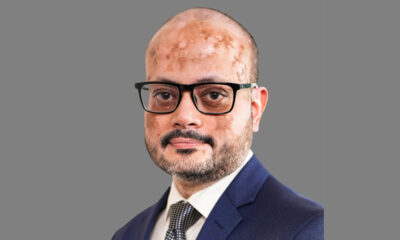
Dr Vaishnav, a futurist and techno-policy strategist, is best known for steering the Atal Innovation Mission at NITI Aayog and chairing the Startup20 Engagement Group during India’s G20 Presidency in 2023. With a Ph.D. in Engineering Systems and an M.S. in Technology and Policy from MIT, plus a B.A. in Indian Classical Music for good measure, he’s part scientist, part strategist, part storyteller. At NDA, he will spearhead work in AI governance, innovation policy, and public-private collaboration essentially, the legal brains trust for an increasingly tech-led world.
On the other coast, Ritika Patni takes charge as leader of NDA’s Global Legal Strategy Consulting Practice. A gold medallist from NUJS Kolkata and MBA alumna from Columbia Business School, she’s worn many hats corporate lawyer at Linklaters London, founder of wellness startup Arth, and consultant to Fortune 500s at Alvarez & Marsal. Her new brief at NDA: guiding cross-border strategy for technology, healthcare, and professional services clients.

The hires reinforce NDA’s unique “4D” model Practice, Industry, Leadership, Skillset which has long drawn in experts from outside the conventional legal track. It’s the same formula that brought in an engineer-turned-lawyer (Vaibhav Parikh), a surgeon-turned-lawyer (Milind Antani), a CA-MBA-turned-lawyer (Nishchal Joshipura), and a Ph.D. in artificial intelligence (Mihir Parikh).
Founder Nishith Desai calls the appointments “a commitment to embracing change and challenging conventional thinking” as NDA evolves into a strategic legal consulting powerhouse. With Vaishnav’s policy chops and Patni’s cross-border acumen, the firm looks set to blend law, leadership, and lateral thinking in a way few others can match.



MAM
Beacon Group appoints Dr Rajesh Patel as Group CEO
36-year healthcare veteran to lead Beacon Diagnostics, Vector Biotek, Biogeny.
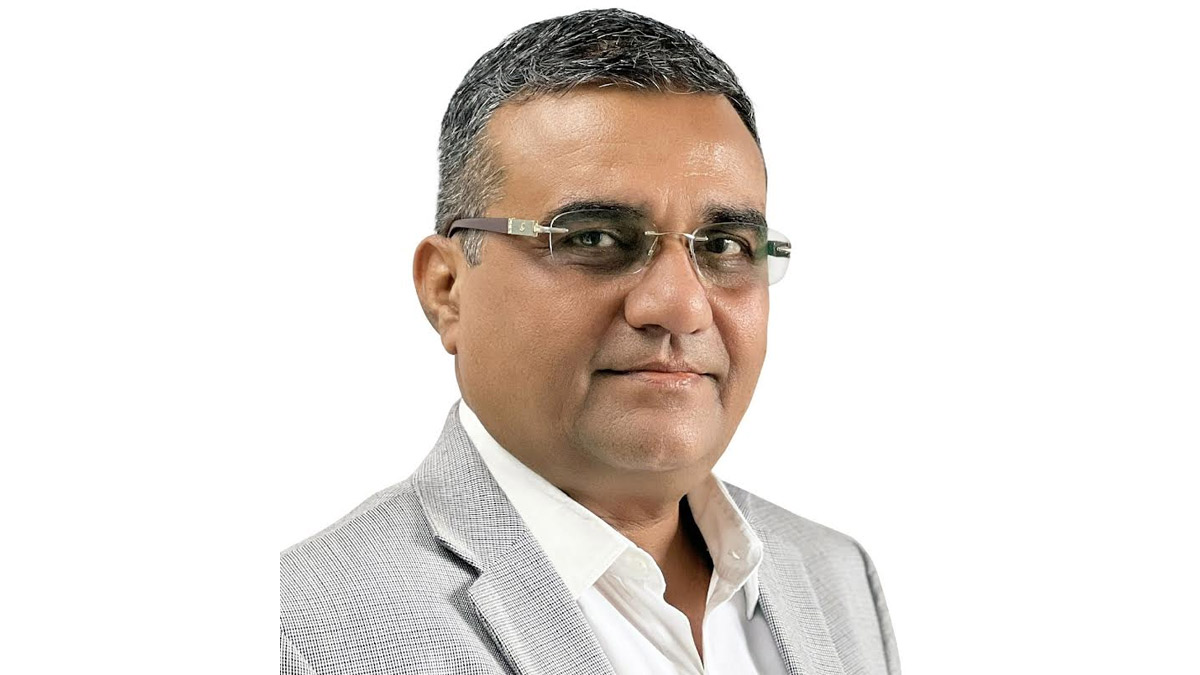
MUMBAI: A new chief, a fresh diagnosis and a sharper prescription for growth. Beacon Group has appointed Dr Rajesh Patel as its Group Chief Executive Officer, effective April 1, 2026, signalling a decisive push to scale its presence in the diagnostics and IVD space. Patel steps into the role with 36 years of experience across the healthcare and diagnostics industry, bringing a career shaped by leadership roles spanning sales, marketing, business development and operational strategy. His mandate is both expansive and precise: to steer the group’s overall strategic direction while tightening coordination across its three core entities Beacon Diagnostics, Vector Biotek and Biogeny Diagnostics.
In practical terms, that means driving cross-company synergies, accelerating market expansion and strengthening organisational capability areas increasingly critical as diagnostic players compete for scale in a fragmented yet rapidly evolving healthcare ecosystem. The group is positioning itself to capture unmet demand across chain laboratories, key accounts and standalone labs, segments that remain underserved despite growing diagnostic needs.
The appointment comes at a time when the In Vitro Diagnostics (IVD) sector in India is entering a more competitive and innovation-led phase, with companies focusing not just on product pipelines but also on service delivery, integration and customer-centric models. Beacon’s leadership appears to be betting that Patel’s execution-focused approach can help translate ambition into operational momentum.
Welcoming the appointment, Chairman Dr D K Joshi described Patel’s induction as a strategic move aligned with the group’s long-term vision, emphasising the role of leadership depth in navigating the next phase of growth.
For Beacon Group, the message is clear, in a sector where precision matters, leadership is the new differentiator—and this appointment is intended to set the tone for what comes next.






